






















Service Hotline
Resources

Resources
What are the differences in connector selection between consumer electronics and industrial equipment?
2026-06-25
968
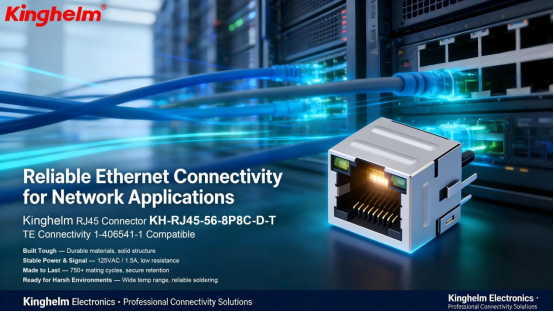 Although connectors in consumer electronics and industrial equipment may look similar, they differ significantly in materials, design, manufacturing standards, performance requirements, operating environments, service life, and safety levels.
1. Operating environment
- Consumer electronics:Indoor, room temperature, everyday usage environments
- Industrial equipment:Harsh conditions such as high/low temperatures, humidity, dust, vibration, and oil exposure
2. Reliability requirements
- Consumer electronics:“Good enough” stability, moderate mating cycles
- Industrial equipment:Zero-failure expectation, long service life, high mating cycle durability, and no intermittent disconnection allowed
3. Electrical performance
- Consumer electronics:Low voltage, low current, focus on compact size and lightweight design
- Industrial equipment:High voltage, high current, strong anti-interference capability, stable transmission, and surge resistance
4. Structure and materials
- Consumer electronics:Lightweight plastic housings, cost-driven design, miniaturization priority
- Industrial equipment:Metal housings, locking mechanisms, waterproof and dustproof structures, durability-first design
Summary
Consumer connectors prioritize cost and compact design, while industrial connectors prioritize reliability, durability, and environmental resistance to ensure stable operation in harsh conditions.
Related Recommendations