
























Service Hotline
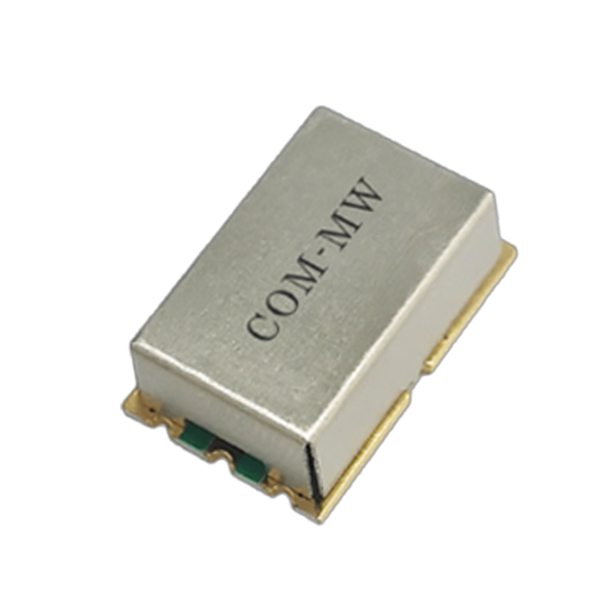
RF Antenna
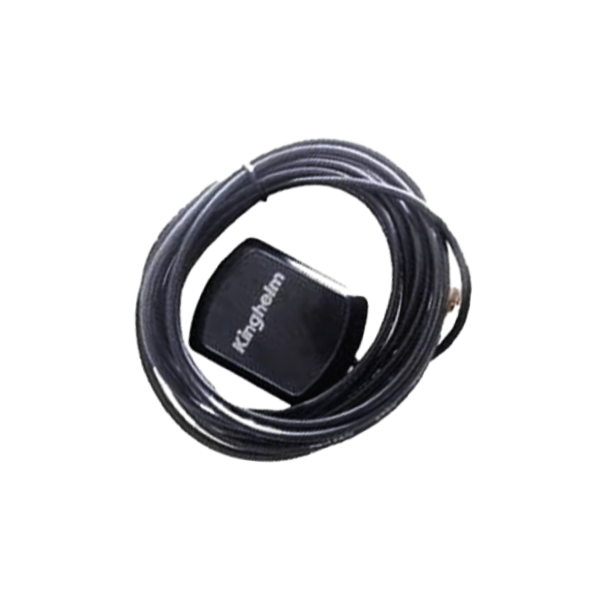
GNSS
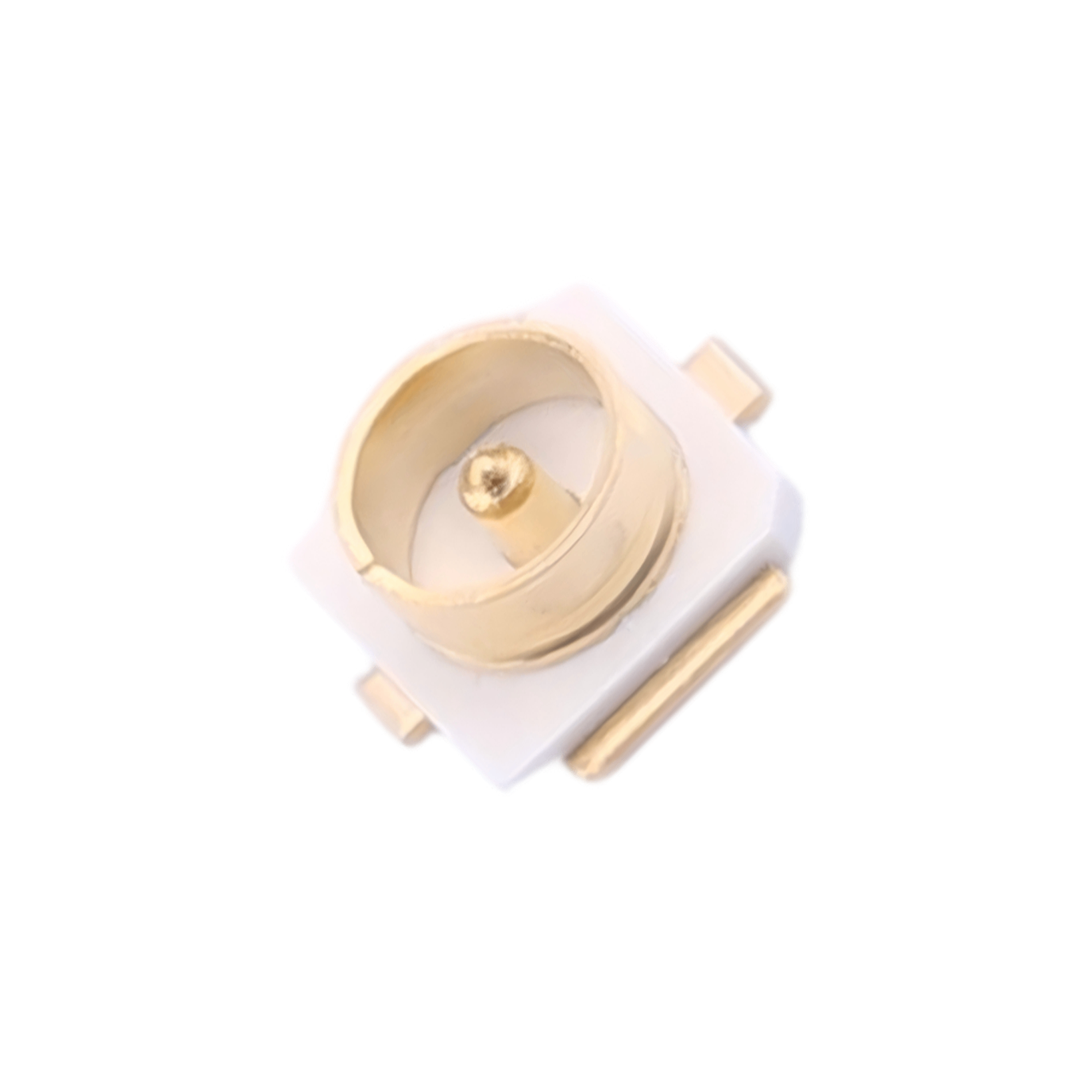
SMT Antenna(Chip Antenna)
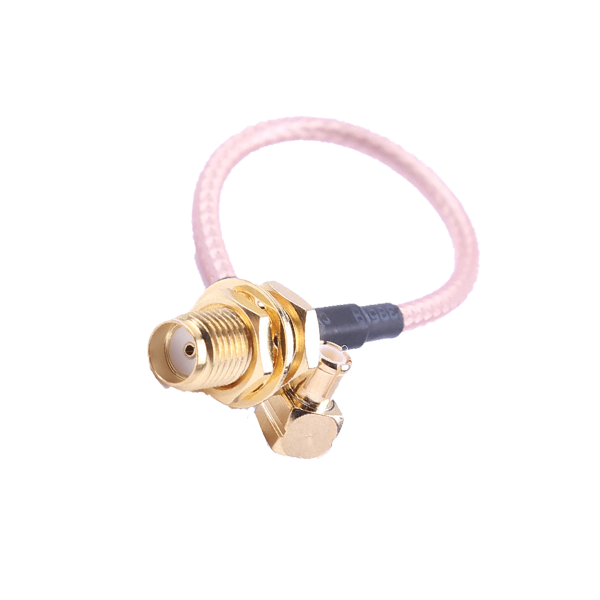
NB-IOT Antenna
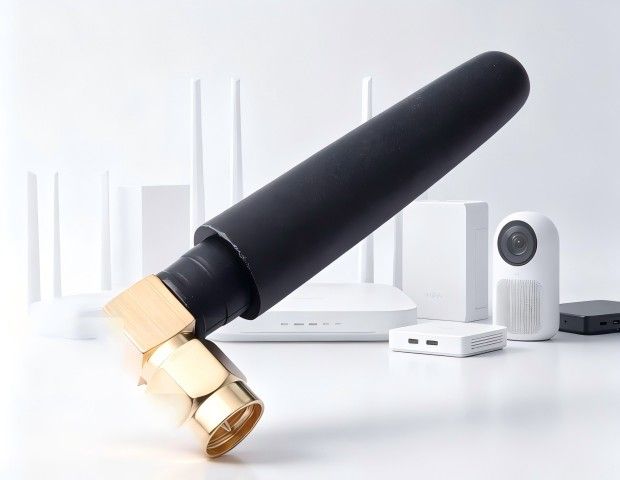
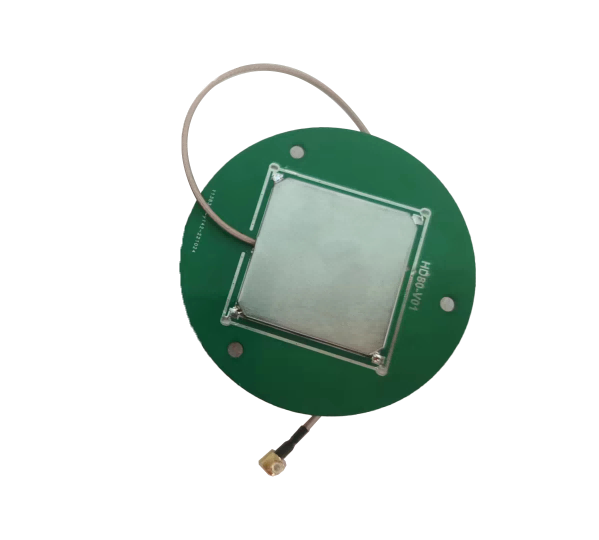
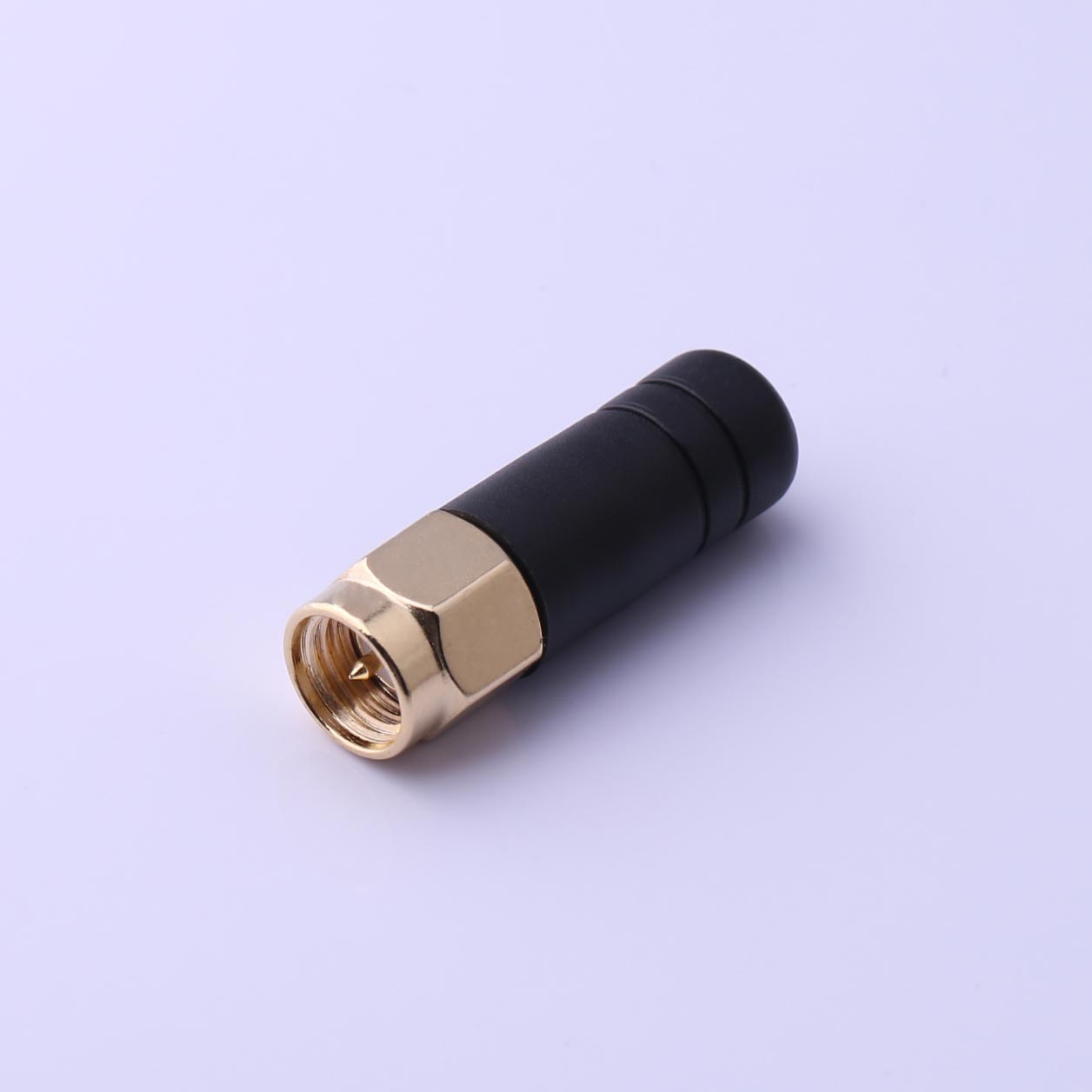
KH-(2.4G)-K503-XJB, 2.4~2.5G Rubber Antenna - 2dBi
Frequency Range: 2.4~2.5G
Impedance: 50Ω
V.S.W.R: ≤2:1
Gain: 2dBi
Polarization: Vertical
Connect Type: SMA Male
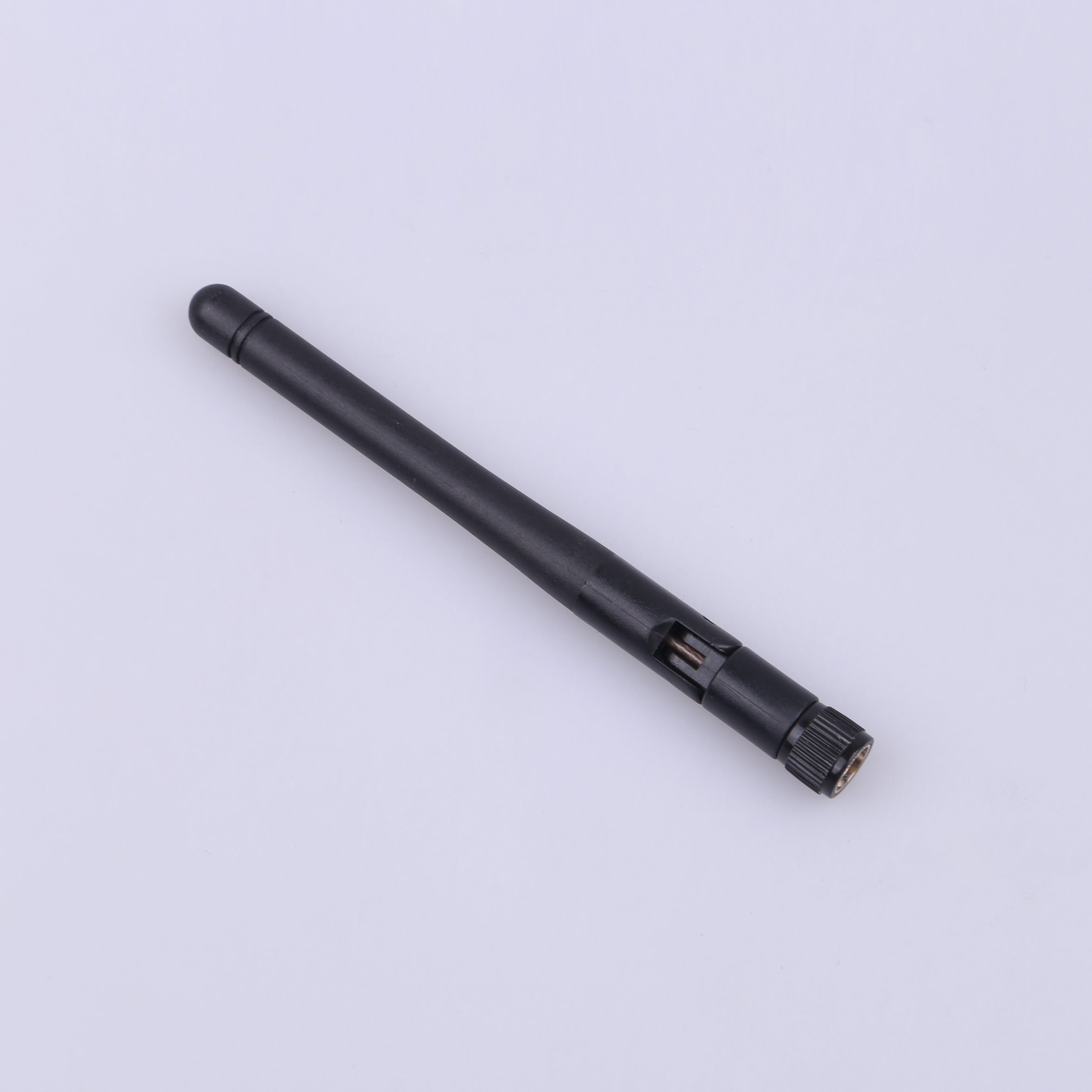
KH-(2400)-J505-JB, WiFi Rubber Antenna 2dBi Omnidirectional | 2400-2500MHz, SMA J Connector
Frequency Range: 2400-2500 MHZ
Impedance: 50Ω
V.S.W.R: 1:2
Gain: 2dBi
Max. Power: 20w
Connect Type: SMA-J
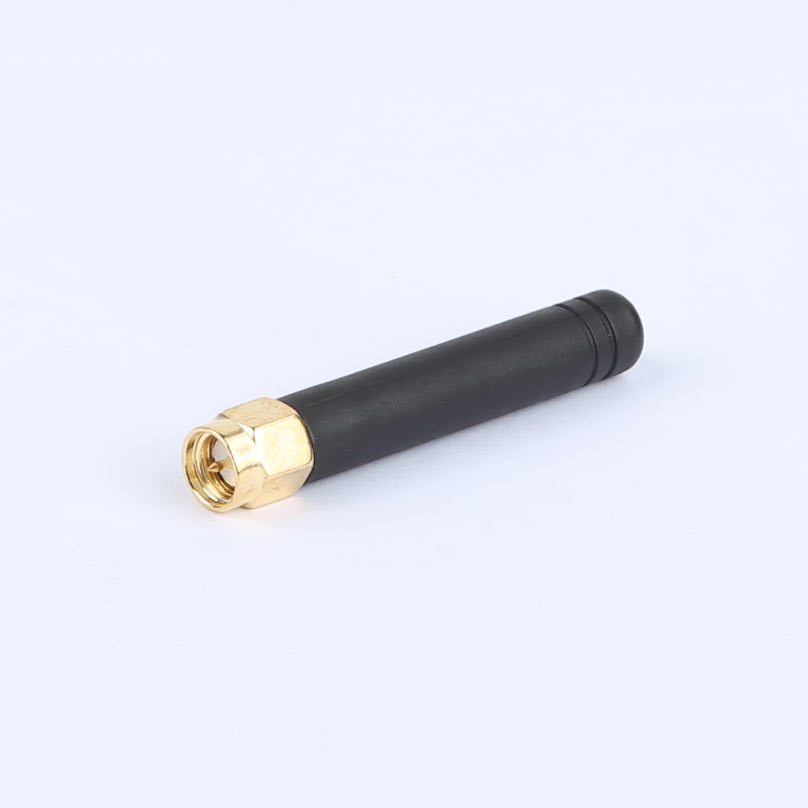
KH-(2400)-K50-Z, Rubber Antenna
Impedance: 50Ω
V.S.W.R:1:1.15
Frequency Range: 2400–2500 MHz
Max Power:20W

KH-(2400)-K503-JB, WiFi Rubber Antenna,2.15 dBi, Omnidirectional
Frequency Range: 2400–2500 MHZ
Impedance: 50Ω
V.S.W.R: 1:1.5
Gain: 2.15dBi
Max. Power: 20w
Connect Type: SMA JW
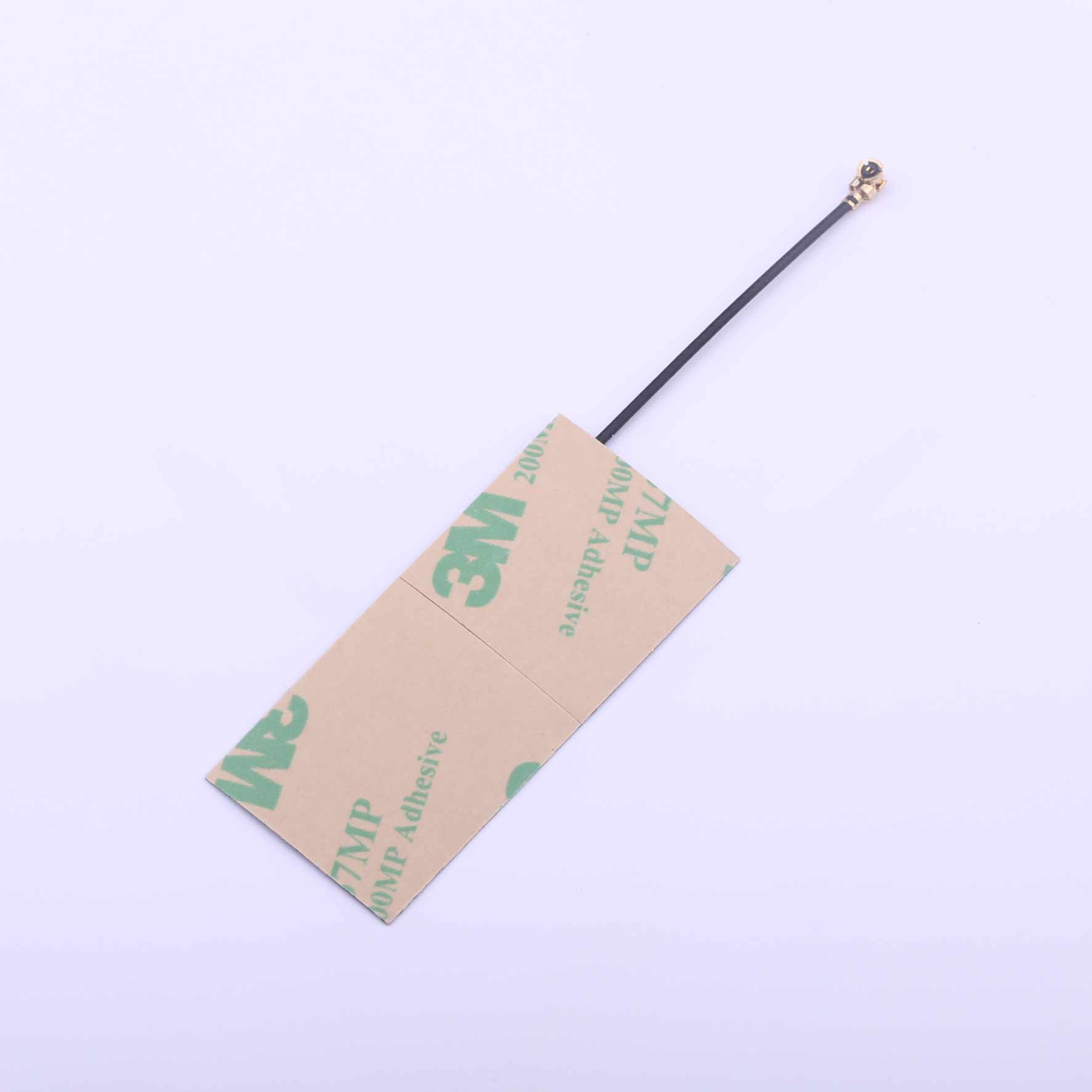
KH-(2400)-K504-JB, PCB Antenna,3 dBi,2400-2500MHZ
V.S.W.R: ≤2.0
Polarization: Vertical
Radiation:Omnidirectional
Max Power:10W
Connector: IPEX
PCB mounting RF connector
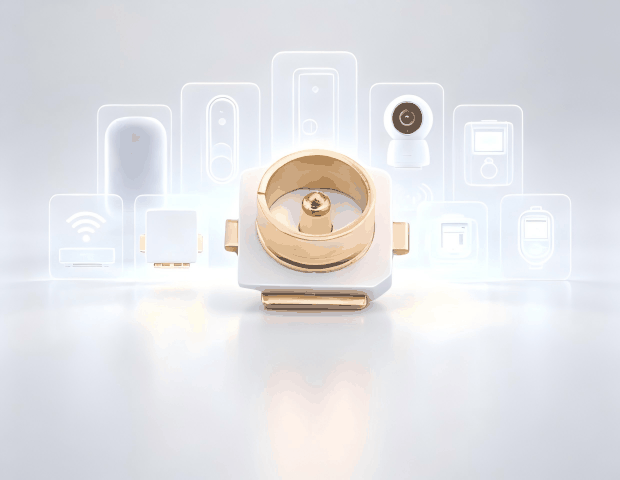
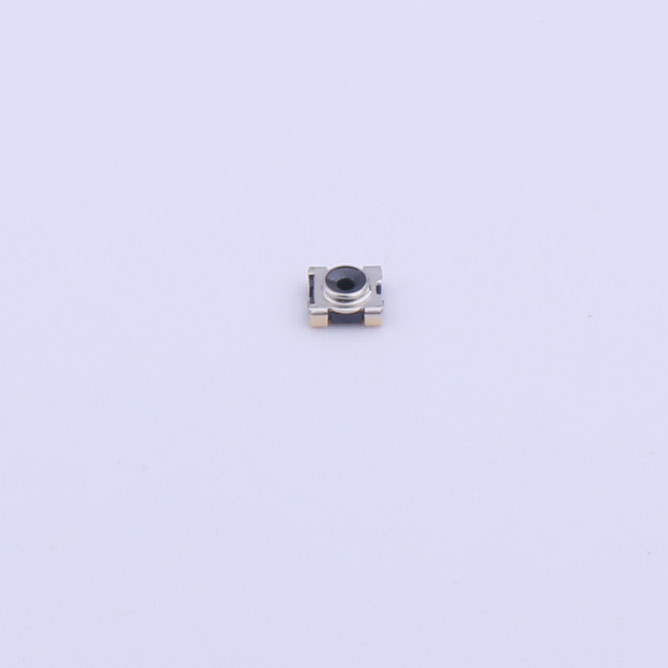
KH-1818085-4, IPEX RF Connector, Board-Mount, 1.2mm Female Interface
Rated Voltage: 60V AC max
Frequency Range: DC-6GHz
lmpedance: 50Ω
Power Rating: 2W
Operating Temperature: -40℃~+85℃
Insulation Resistance: 1000MΩ min
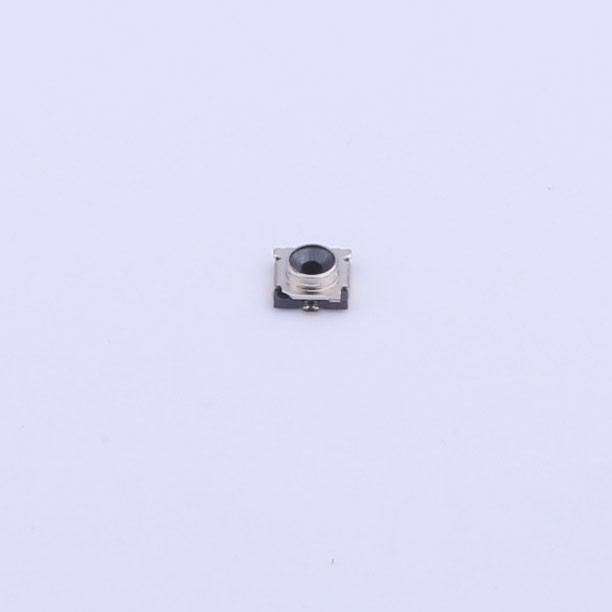
KH-20210-3, Mini RF Switch Connector
Interface Diameter: 1.35 mm
Connector Type: Board Edge
Interface Type: Inner bore
RF Series: IPEX
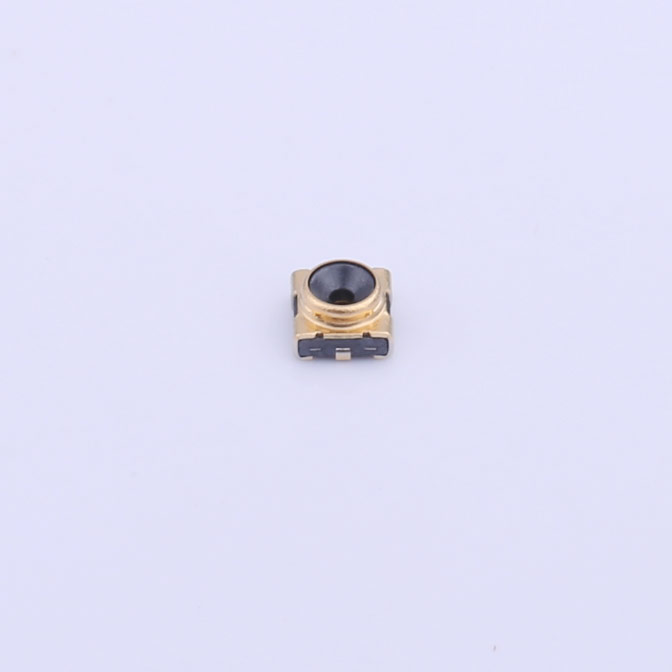
KH-252515-G2.1, Mini IPEX RF Switch Connector
Frequency Range: DC~6 GHz
Voltage Rating: 250 VAC
Insulation Resistance: 500MΩ
Impedance: 50Ω
VSWR 1.2 max ( DC~3GHz), 1.3 max (3~6GHz))
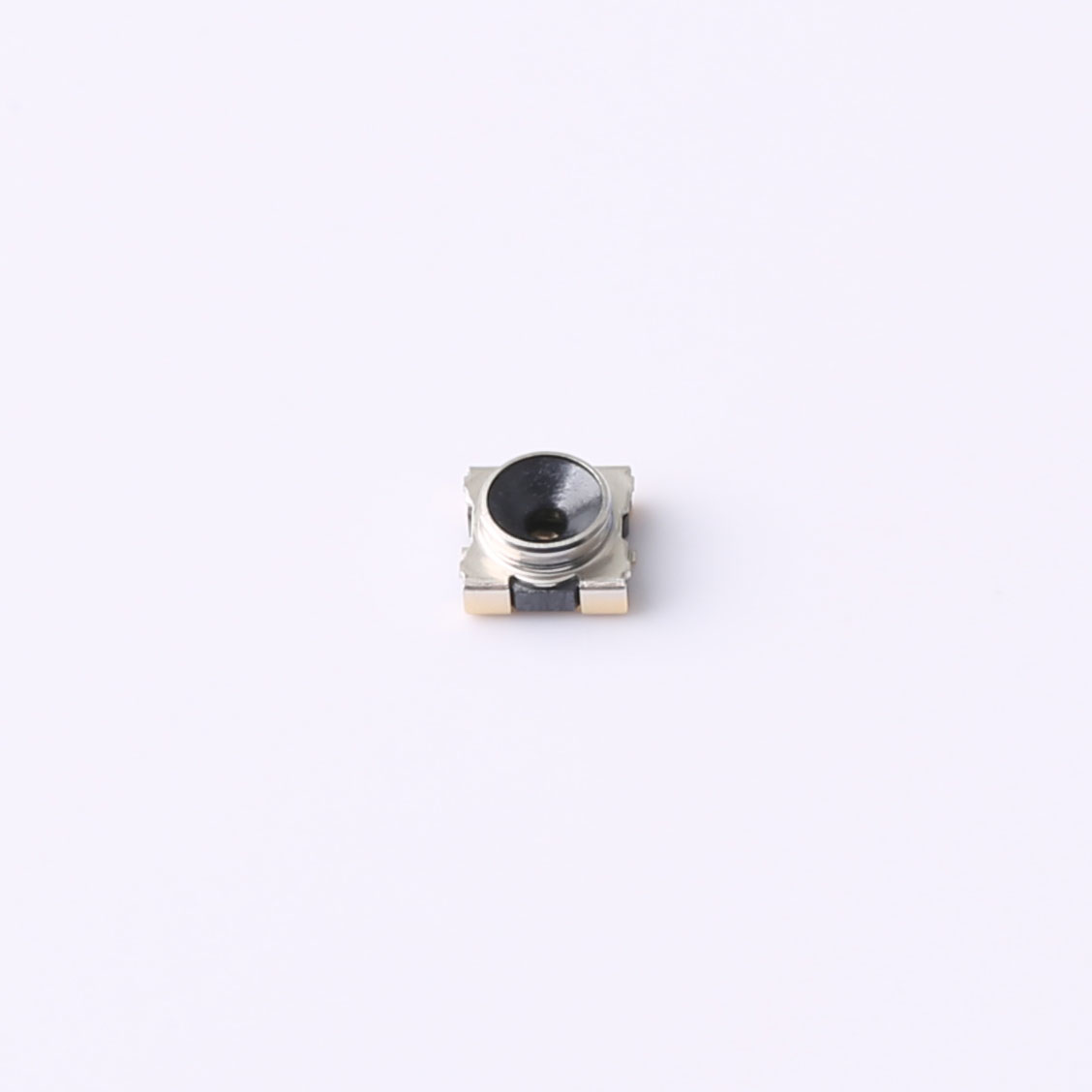
KH-252515-G2.2, RF Coaxial Connector 2 Generation Test Stand
Brand: kinghelm
Manufacturer: KH-252515-G2.2
Package: - Gross Weight: 0.0897
Gross weight of goods: 0.0897 grams (g)
Packing: Taping
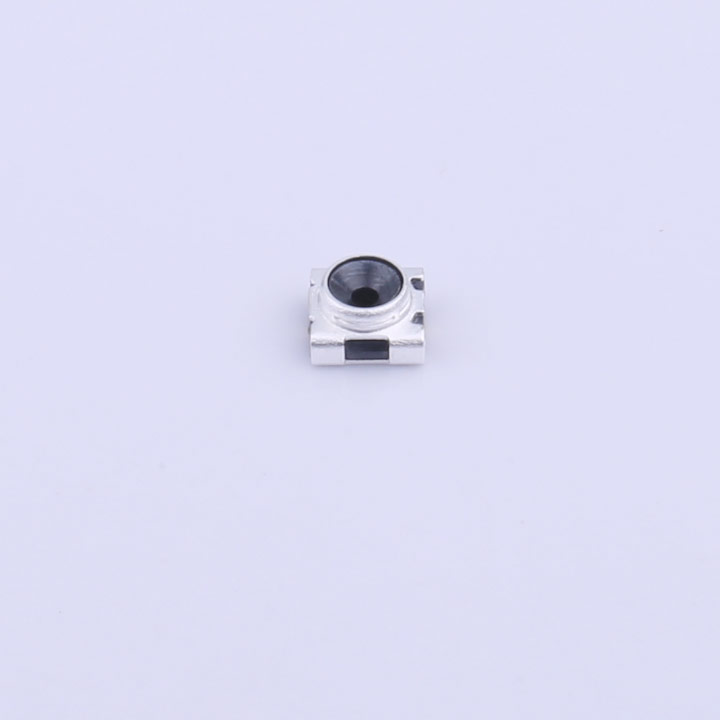
KH-252515-Y2.1, Mini RF Switch Connector
Operating Temperature Range: -40℃~+85℃
Frequency-Max: 6GHz
Impedance: 50Ω
Interface Diameter: 2.1mm
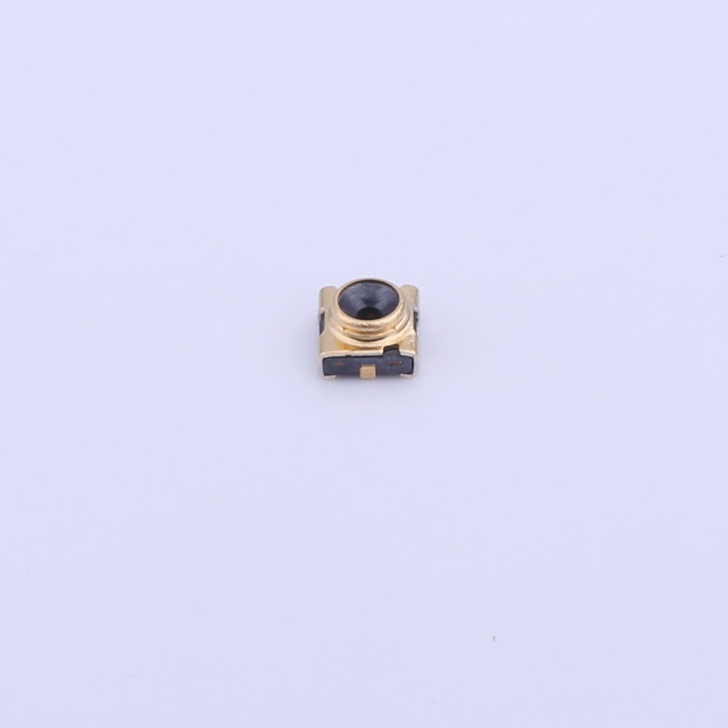
KH-272716-2.2, RF IPEX Connector
Operating Temperature Range: -40℃~+85℃
Frequency-Max: 6GHz
Impedance: 50Ω
Interface Diameter: 2mm
Packaging: Taping
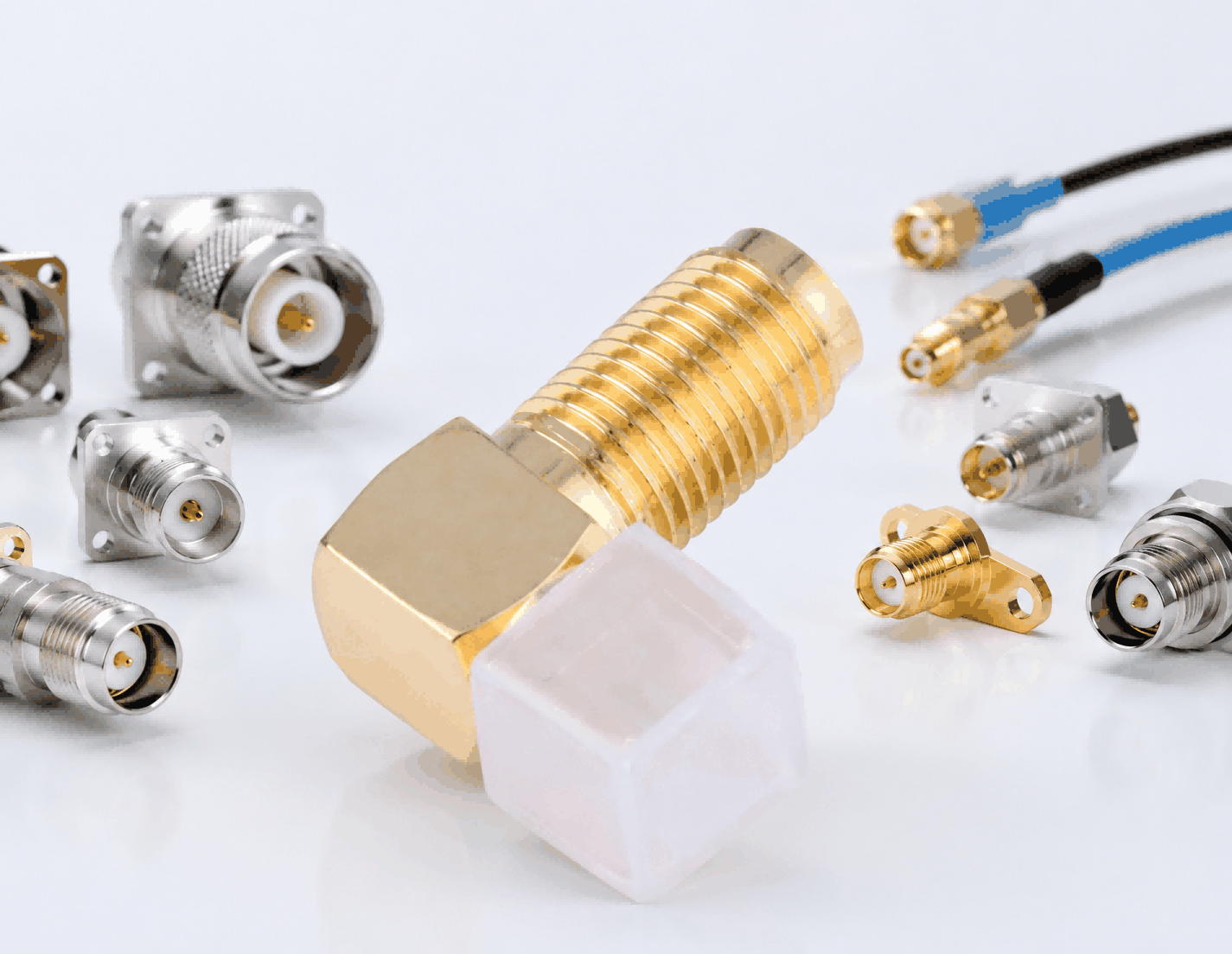
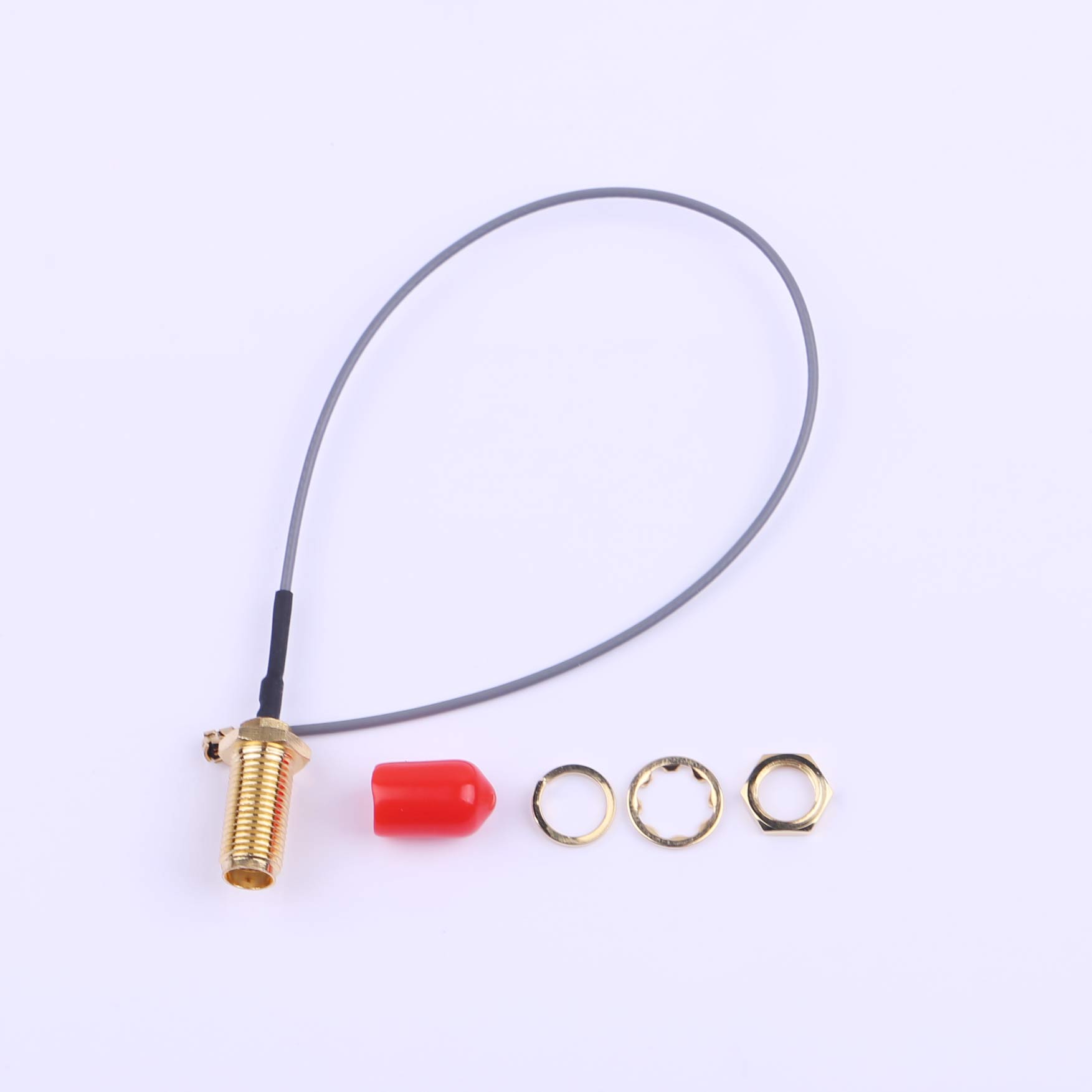
KHB180-37(13)-28, IPEX to SMA, RG1.13, 180mm
Voltage Rating:DCV 300V 10MS
Conductance Resistance: 3.0 OHM/MAX
Insulation Resistance:5.0 OHM/MIN
SMA Pull Force:12kg
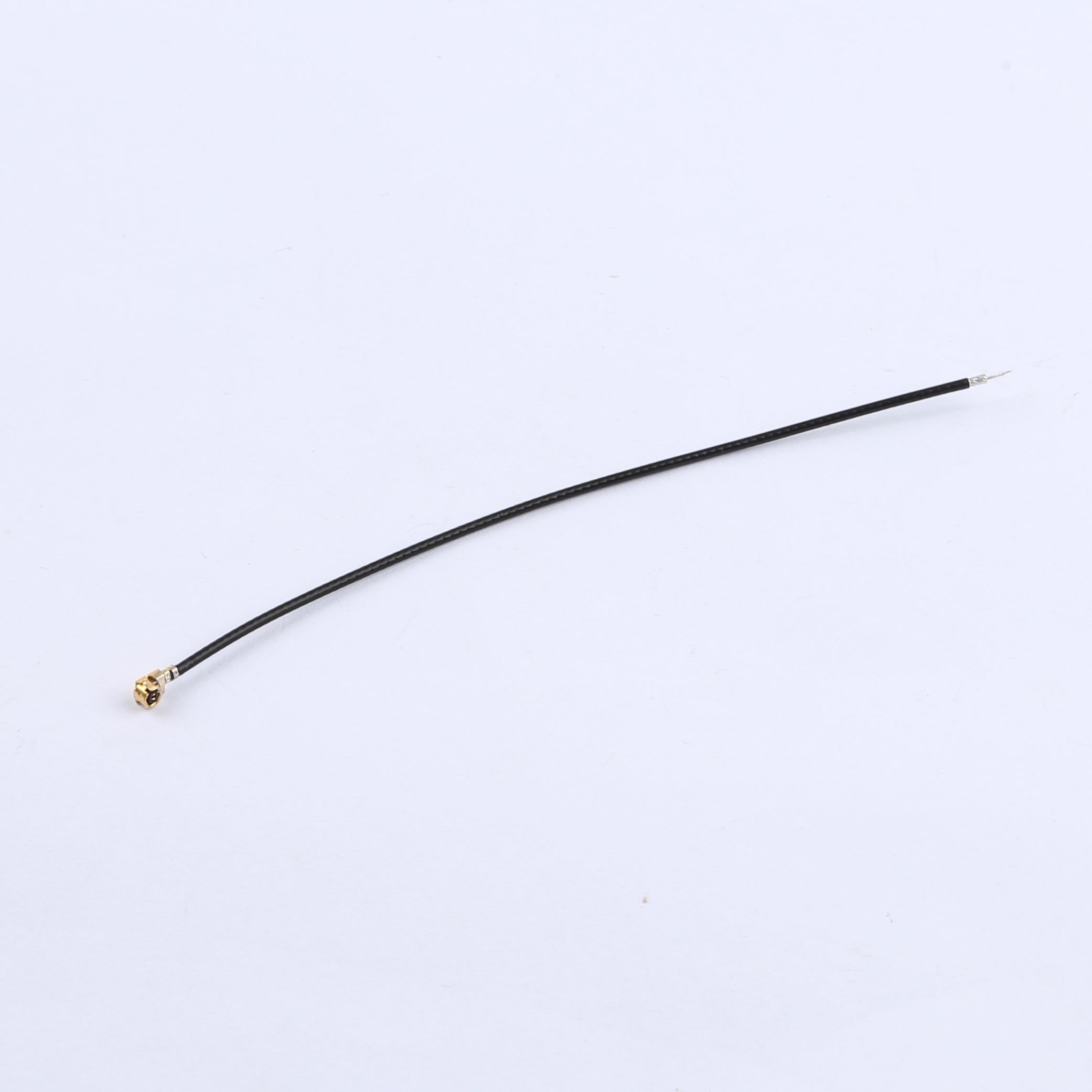
1st Generation IPEX Single-Ended Jumper RG1.13, Black Wire, Length 100mm--KHA-(RG1.13)-TX100-IPEX-221
Brand: Kinghelm
Model:KHA-(RG1.13)-TX100-IPEX-221
Gross Weight: +grams
Package:Bag packaging

1st Generation IPEX Single-Ended Jumper RG1.13, Black Wire, Length 120mm--KHA-(RG1.13)-TX120-IPEX-221
Brand: Kinghelm
Model: KHA-(RG1.13)-TX120-IPEX-221
Gross Weight: 0.476 grams
Package:Bag packaging
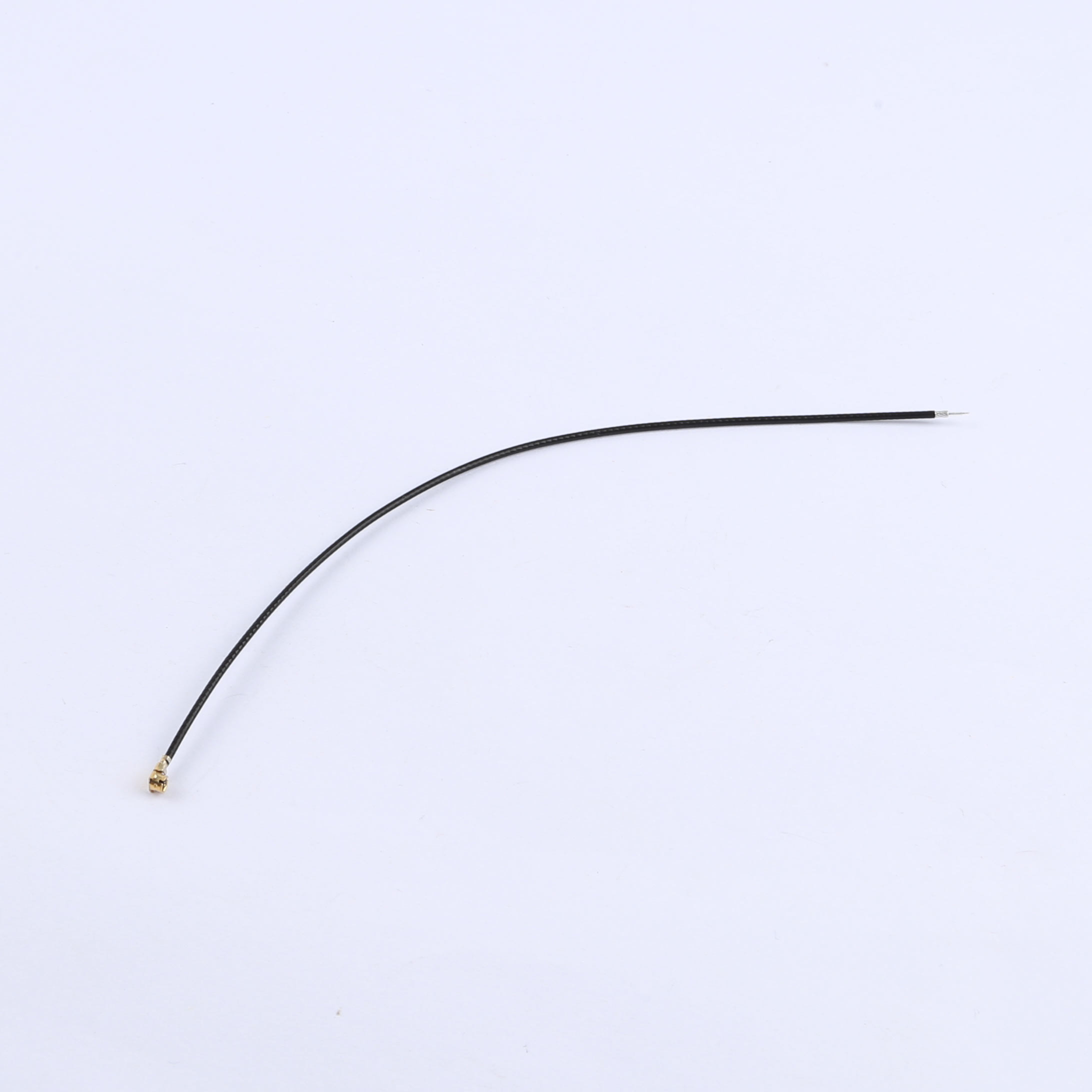
1st Generation IPEX Single-Ended Jumper RG1.13, Black Wire, Length 150mm--KHA-(RG1.13)-TX150-IPEX-221
Brand: Kinghelm
Model: KHA-(RG1.13)-TX150-IPEX-221
Gross Weight: 0.577 grams
Package:Bag packaging
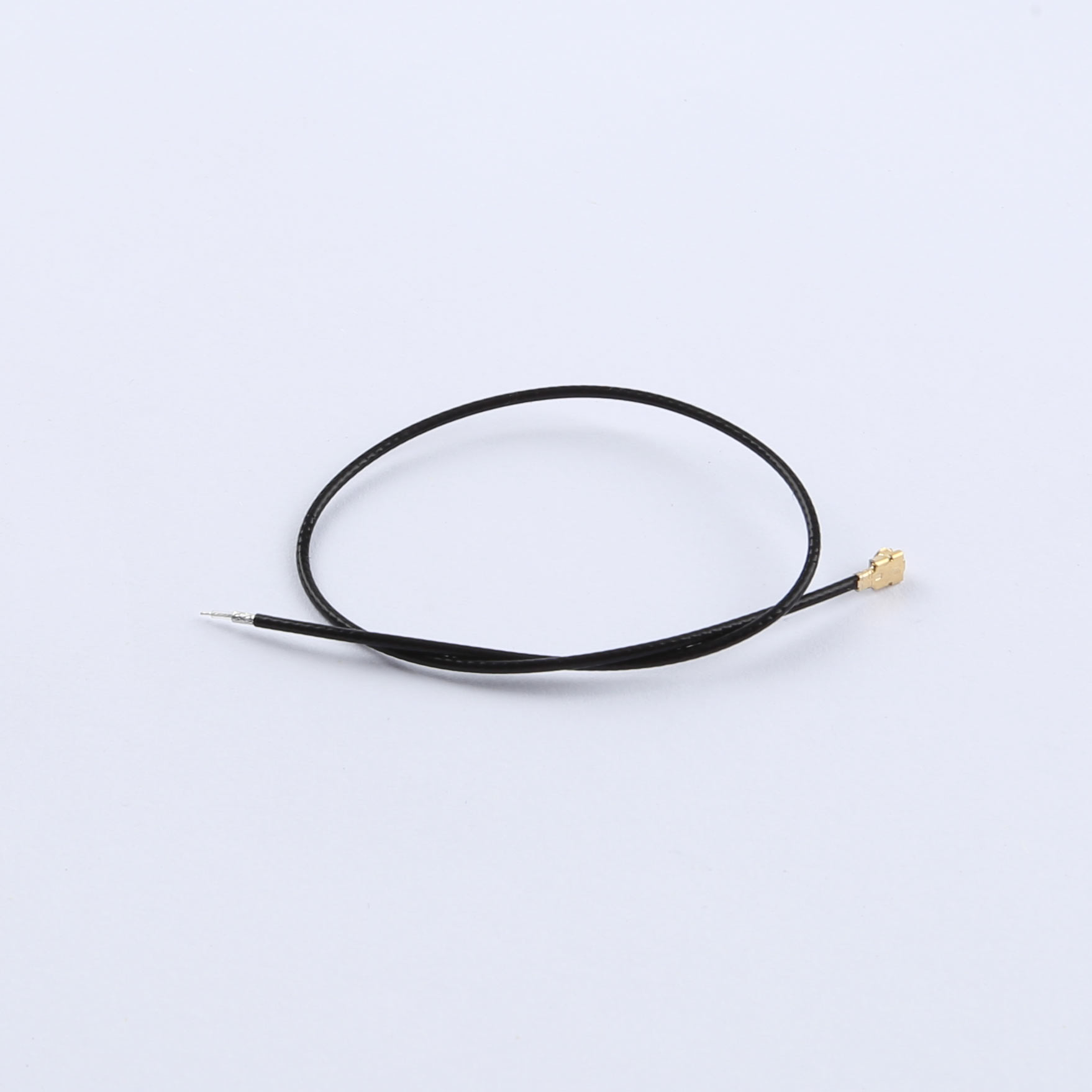
1st Generation IPEX Single-Ended Jumper RG1.13, Black Wire, Length 180mm--KHA-(RG1.13)-TX180-IPEX-221
Brand: Kinghelm
Model: KHA-(RG1.13)-TX180-IPEX-221
Gross Weight: 0.668 grams
Package:Bag packaging
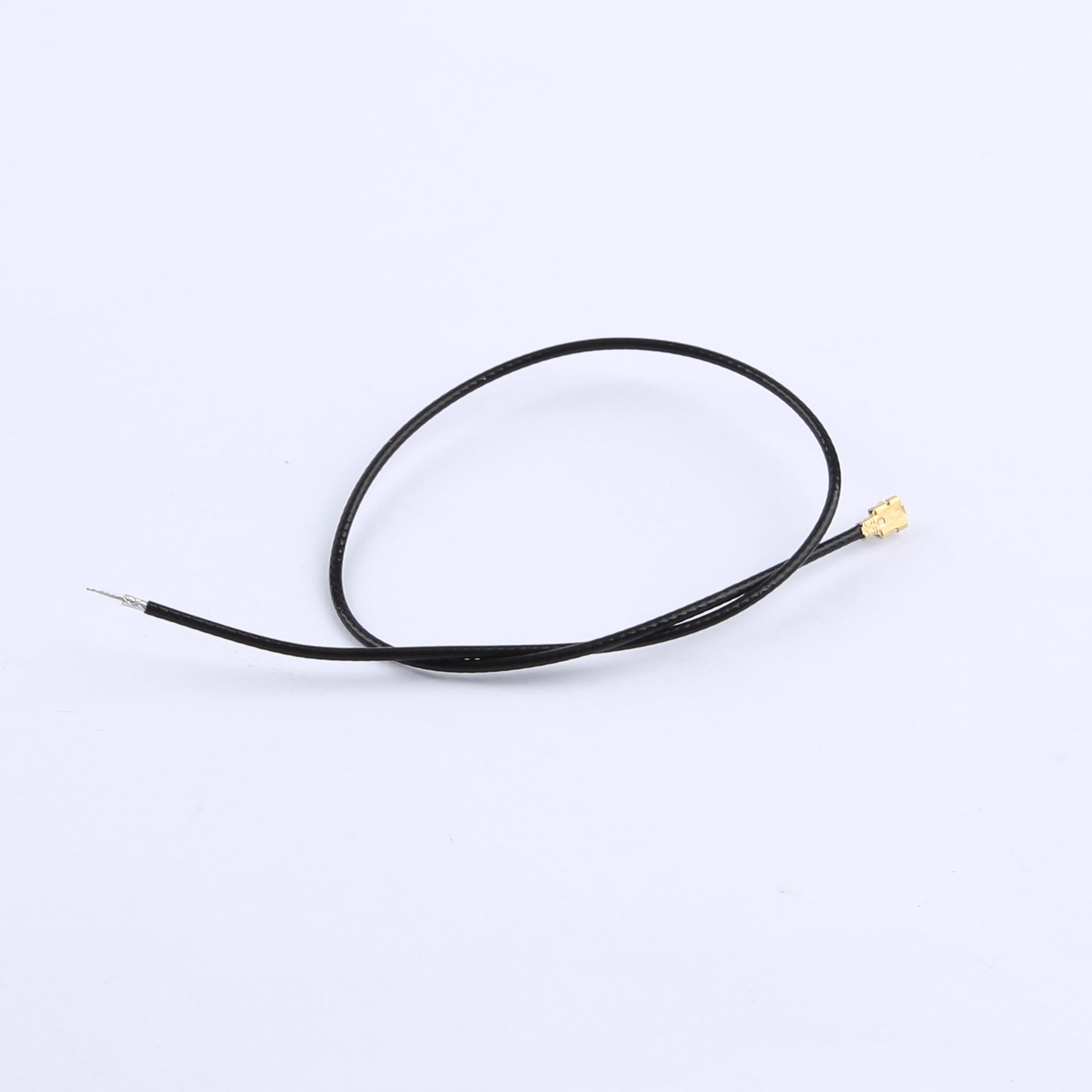
1st Generation IPEX Single-Ended Jumper RG1.13, Black Wire, Length 200mm--KHA-(RG1.13)-TX200-IPEX-221
Brand: Kinghelm
Model: KHA-(RG1.13)-TX200-IPEX-221
Gross Weight: 0.729 grams
Package:Bag packaging

KH-EMI6857-6G, RF Shielded Box, DC Interface USB Interface Shielded Box Filter
Brand: Kinghelm
Manufacturer Model: KH-EMI6857-6G
Gross Weight: 0.001 gram(g)
Packing: Boxed
KH-SAWD1718A, RF Saw Filter,75MHz RF Saw Filter,Band 3
Brand: Kinghelm
Manufacturer Model: KH-SAWD1718A
Gross Weight: 0.02799 grams (g)
Packing: Tape
KH-SAWD1921A, RF Saw Filter,60MHz RF LTE Saw Filter,Band 1
Brand: Kinghelm
Manufacturer Model: KH-SAWD1921A
Gross Weight: 0.02604 grams (g)
Packing: Taping
KH-SAWD8388A, RF Saw Filter,25MHz RF LTE Saw Filter,Band V
Brand: Kinghelm
Manufacturer Model: KH-SAWD8388A
Gross Weight: 0.02652 grams (g)
Packing: Tape
KH-SAWD8994A, RF Saw Filter,35MHz RF Saw Filter,Band 8
Brand: Kinghelm
Manufacturer Model: KH-SAWD8994A
Gross Weight: 0.02607 grams(g)
Packing: Tape
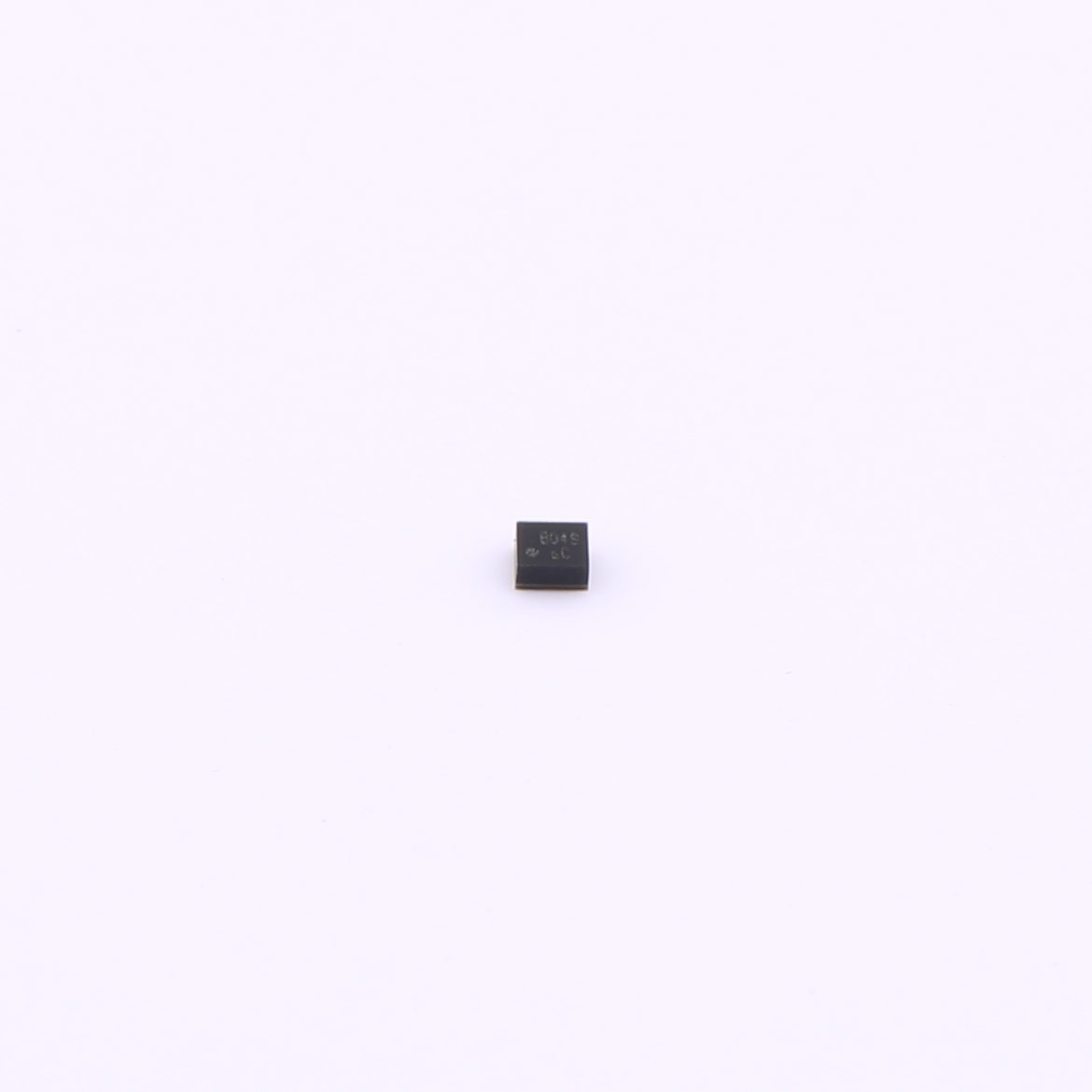
KH-SAWF158A, RF Saw Filter,GPS RF Saw Filter
Brand: Kinghelm
Manufacturer Model: KH-SAWF158A
Gross Weight: 0.01034 grams (g)
Packing: Tape
.jpg)
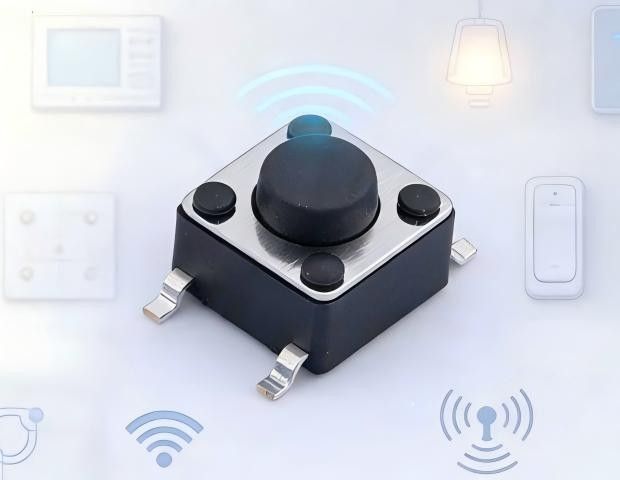
6*6*6 Tactile Switch, 50mA, SMD, KH-6X6X6H-STM
Rating: DC 12V 50mA
Travel: 0.3±0.1mm
Operating Force: 250/180±30gf
Contact Resistance: 50mΩ Max
Life: 80.000 Cycles Min
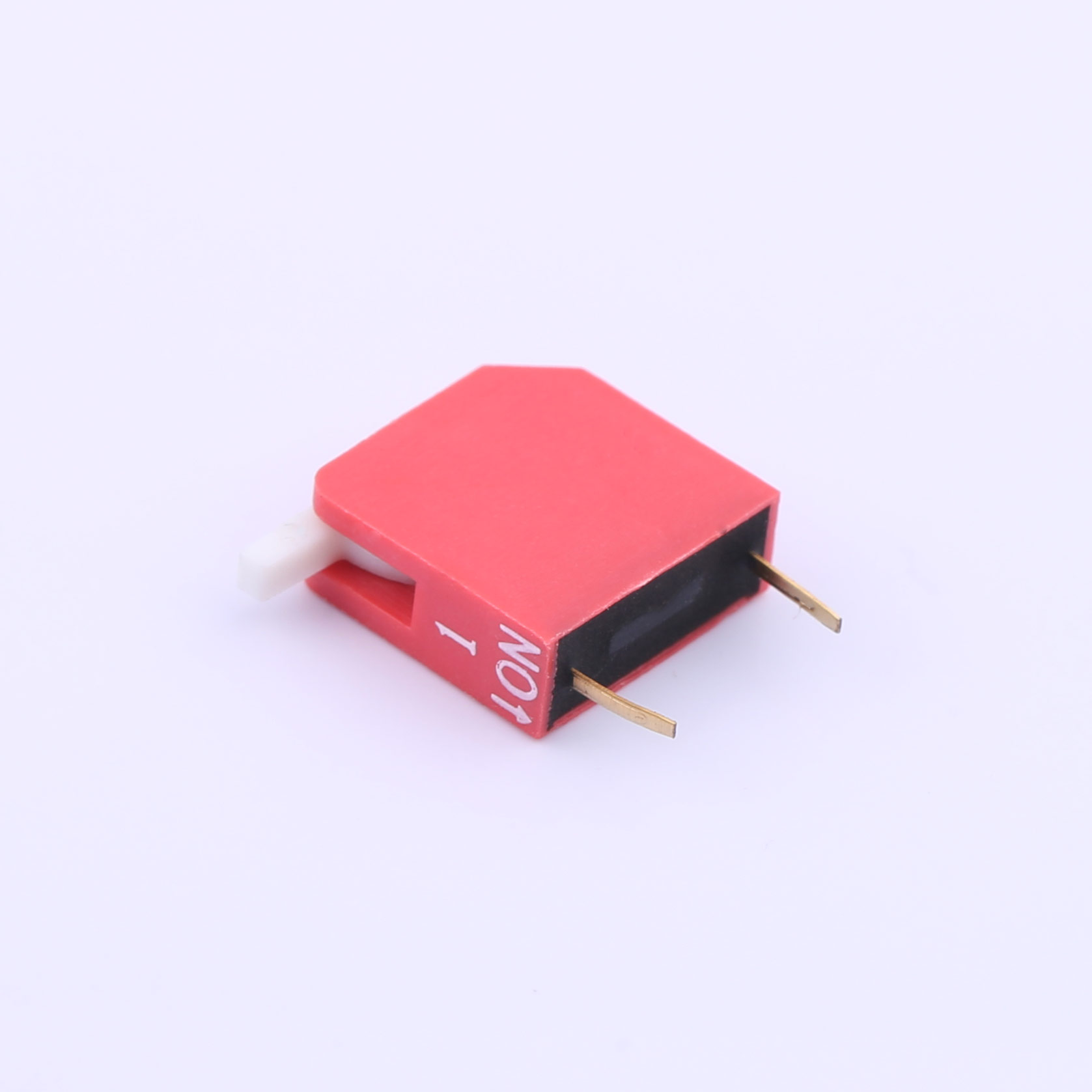
KH-1002-CB2.54-1P, 2.54mm Dip switch, 1P
Contact Resistance: 50mΩ (Initial) Max
Insulation Resistance: 100MΩ at 500VDC Min
Dielectric Strength: 500VAC for 1 minute
Operating Temperature: -20°C to +70°C
Storage Temperature: -40°C to +85°C
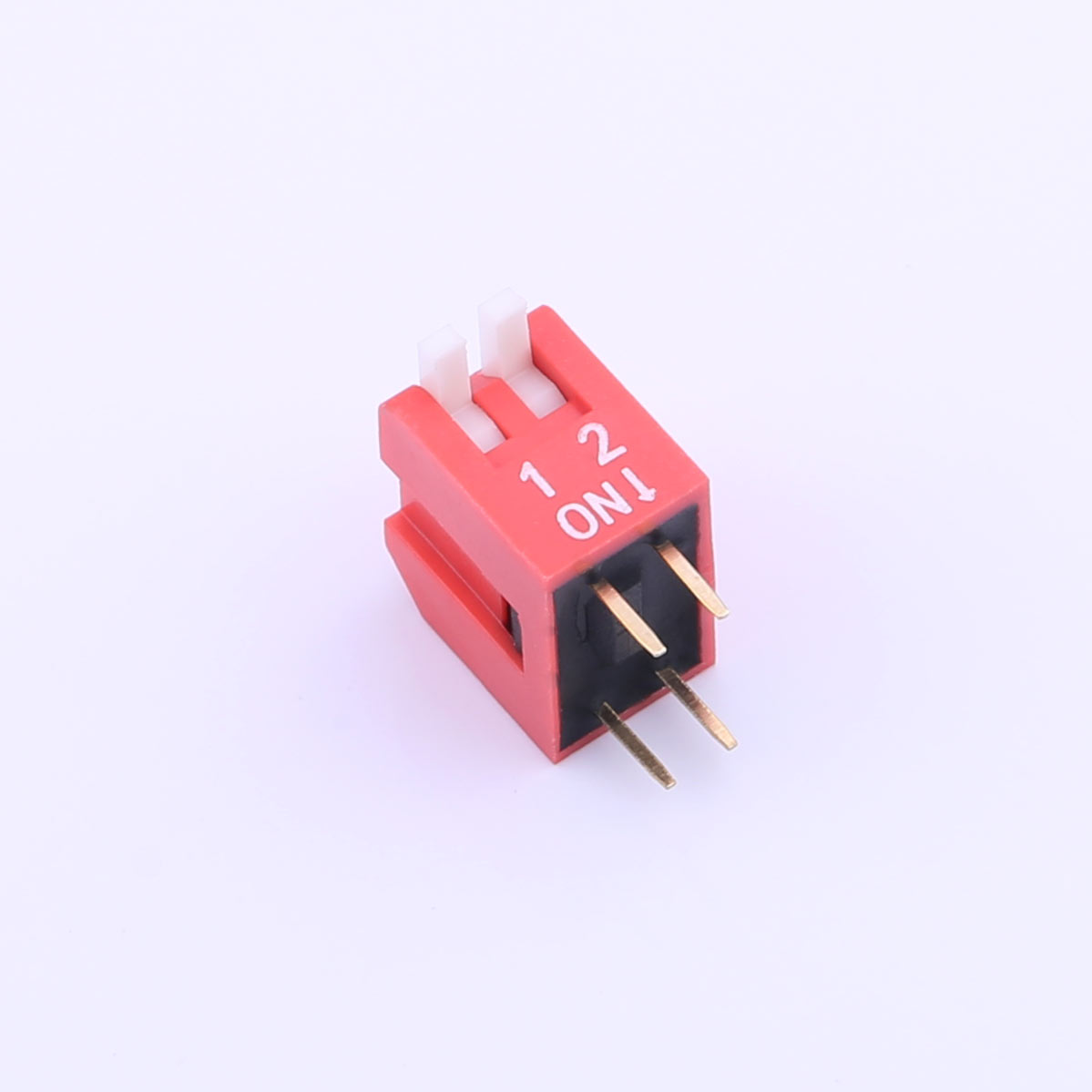
KH-1002-CB2.54-2P, 2.54mm Dip switch, 2P
Contact Resistance: 50mΩ (Initial) Max
Insulation Resistance: 100MΩ at 500VDC Min
Dielectric Strength: 500VAC for 1 minute
Operating Temperature: -20°C to +70°C
Storage Temperature: -40°C to +85°C
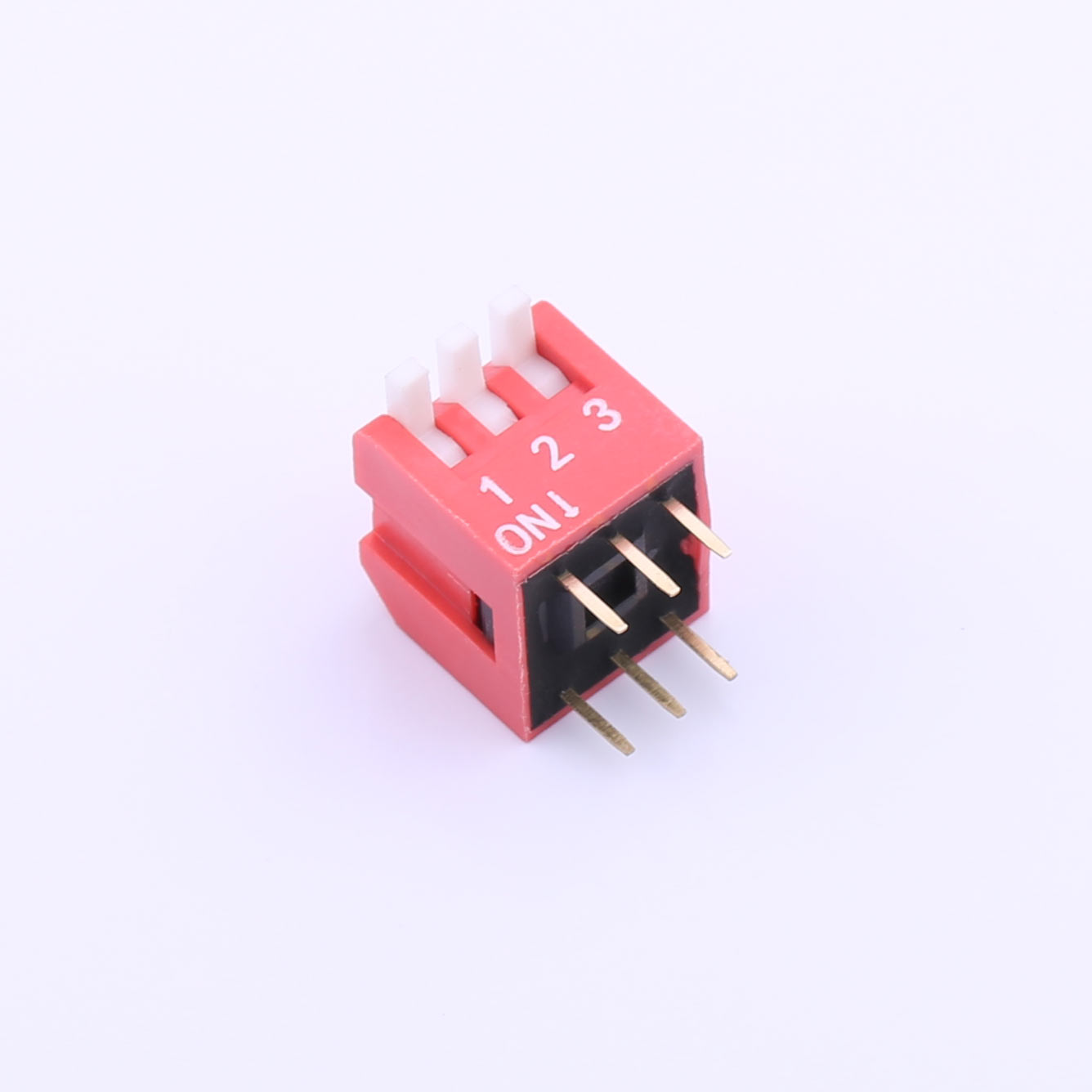
KH-1002-CB2.54-3P, 2.54mm Dip switch, 3P
Contact Resistance: 50mΩ (Initial) Max
Insulation Resistance: 100MΩ at 500VDC Min
Dielectric Strength: 500VAC for 1 minute
Operating Temperature: -20°C to +70°C
Storage Temperature: -40°C to +85°C
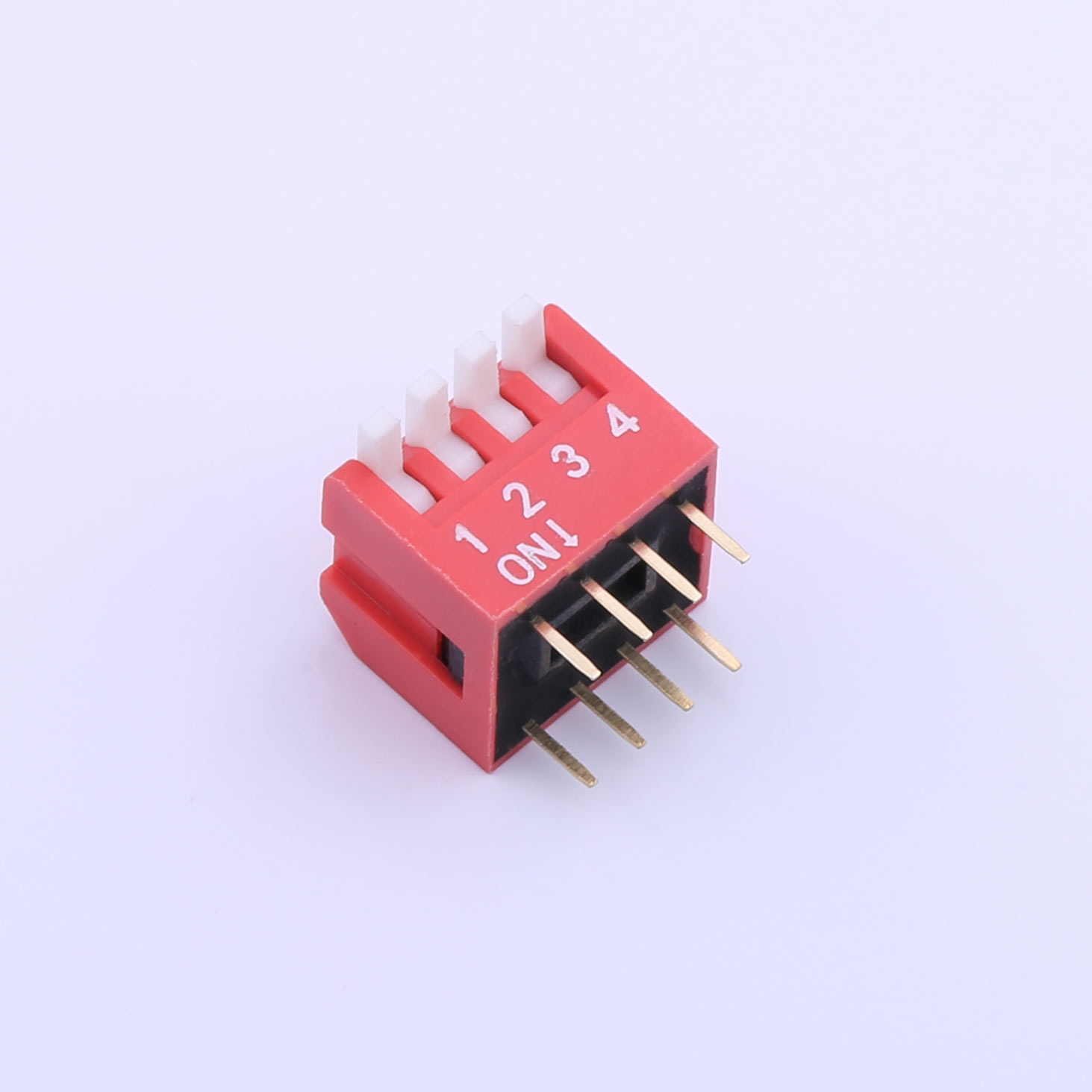
KH-1002-CB2.54-4P, 2.54mm Dip switch, 4P
Contact Resistance: 50mΩ (Initial) Max
Insulation Resistance: 100MΩ at 500VDC Min
Dielectric Strength: 500VAC for 1 minute
Operating Temperature: -20°C to +70°C
Storage Temperature: -40°C to +85°C
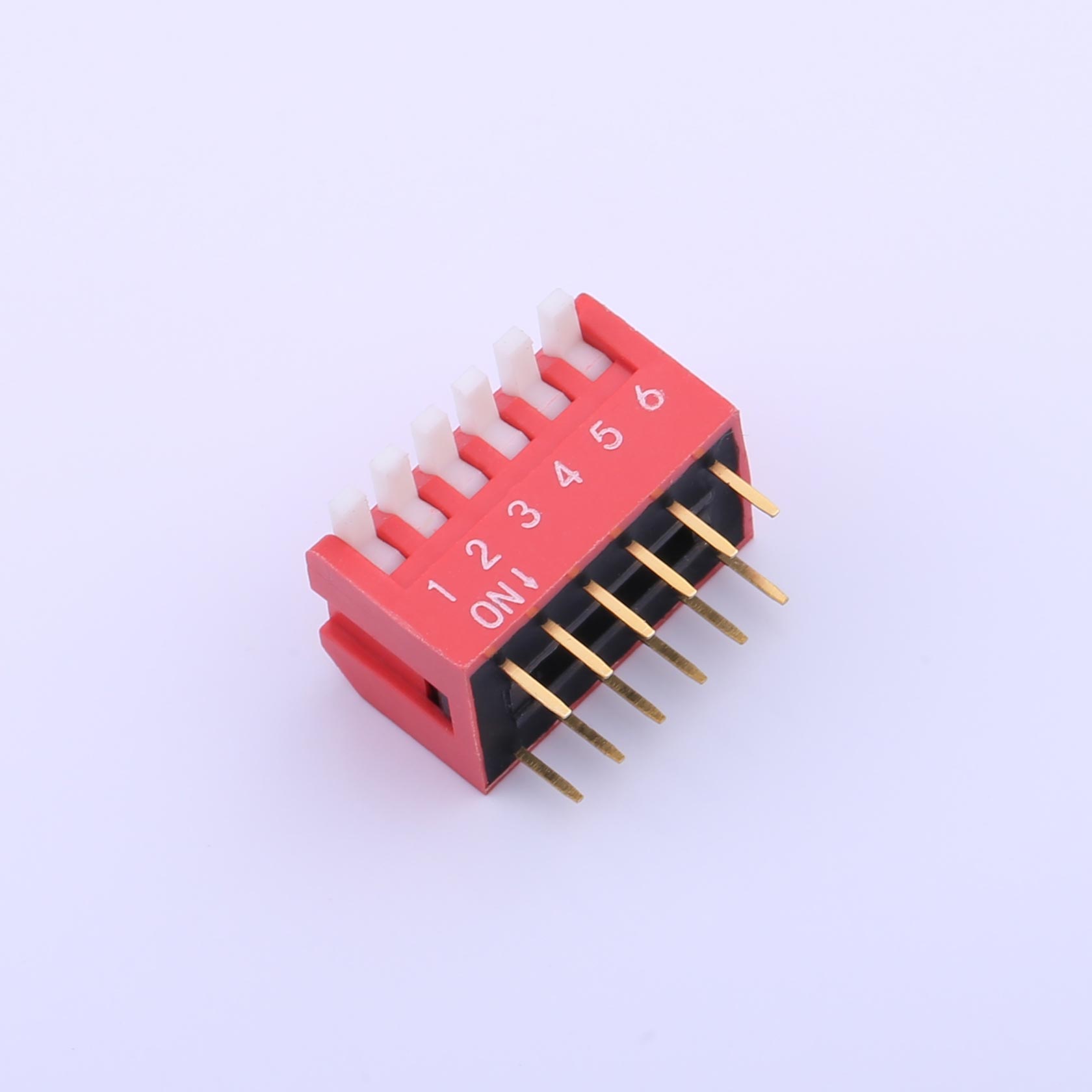
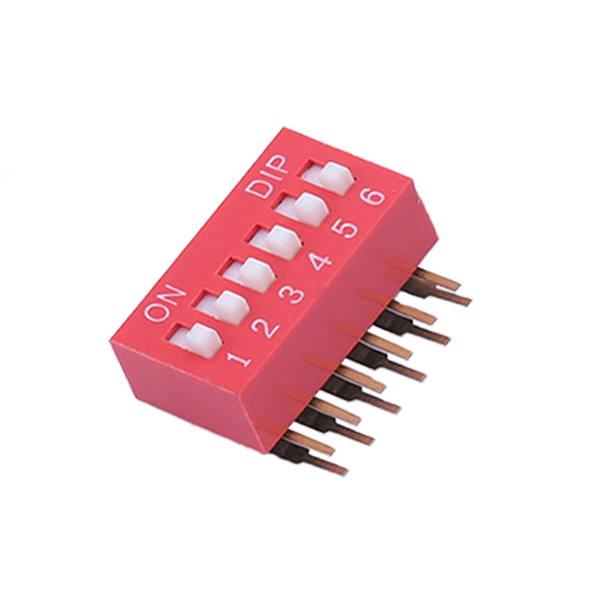
KH-1002-CB2.54-6P, 2.54mm Dip switch, 6P
Contact Resistance: 50mΩ (Initial) Max
Insulation Resistance: 100MΩ at 500VDC Min
Dielectric Strength: 500VAC for 1 minute
Operating Temperature: -20°C to +70°C
Storage Temperature: -40°C to +85°C
Data Signal Connectors
Connector Series
Board-mount Connectors
FFC/FPC Connector
Data Signal
Audio & Video Connectors
Fiber Optic Patch Cords
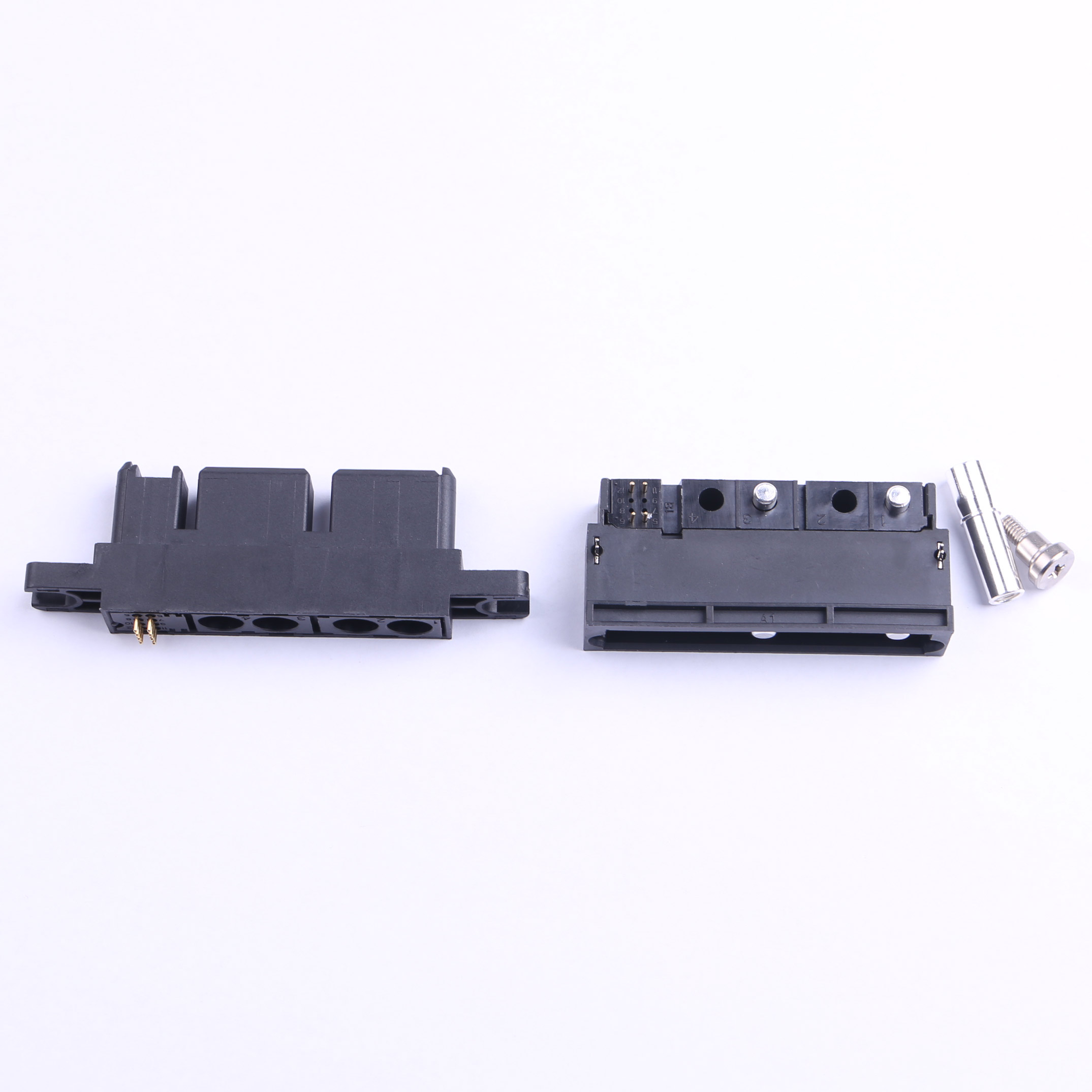
12-Pin Modular Power Connector, 6-piece set, KH-MPL11-12G6TJW6
Working Current:
75A (φ5.0, Power Terminal)
3A (φ0.8, Signal Terminal)
Working Voltage:
1000V AC (Power Terminal)
48V DC (Signal Terminal)
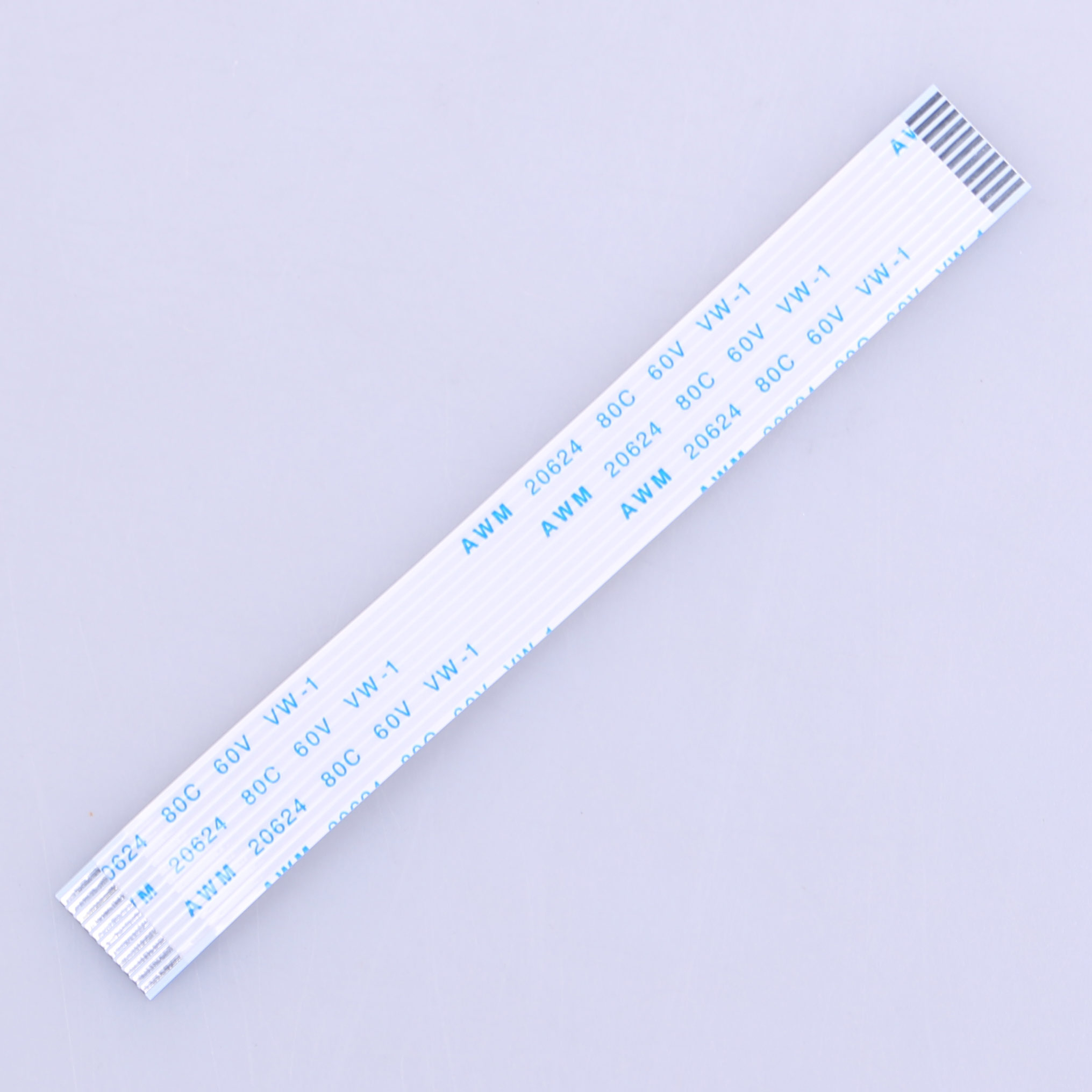
1mm FFC Connectors | FFC & FPC Connectors Manufacturer
Brand: Kinghelm
Standards:RoHS compliant
Total lengh:100 mm
Packaging:bagged
Weight:0.45g
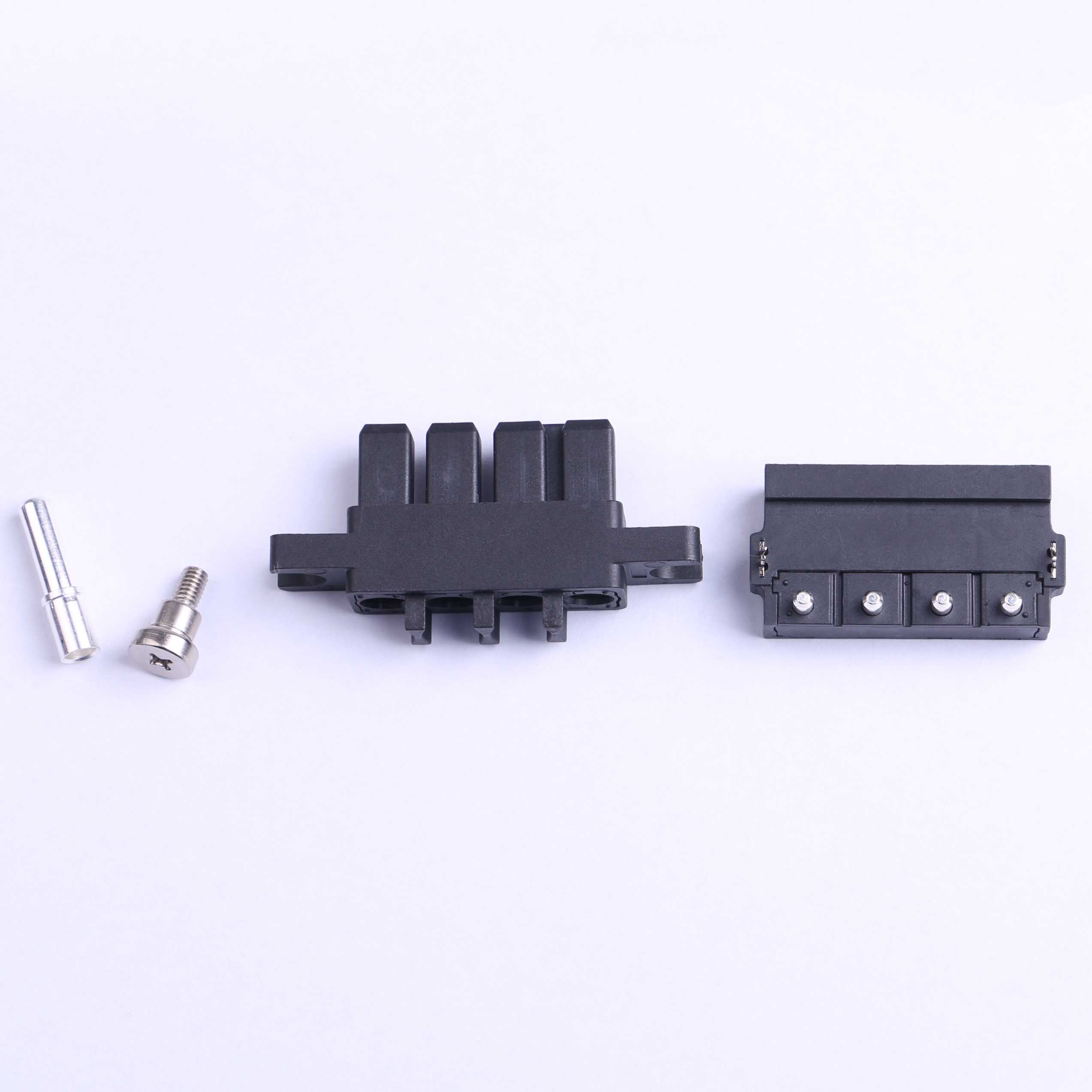
20KW power module connector, 4-pin 4-core, KH-MPL04B-4TJW
Working Current: 40A
Working voltage:600V (AC)
Contact Resistance: ≤ 1 mΩ
Mechanical Life: 500 cycles
Operating Temperature: -55°C to +125°C
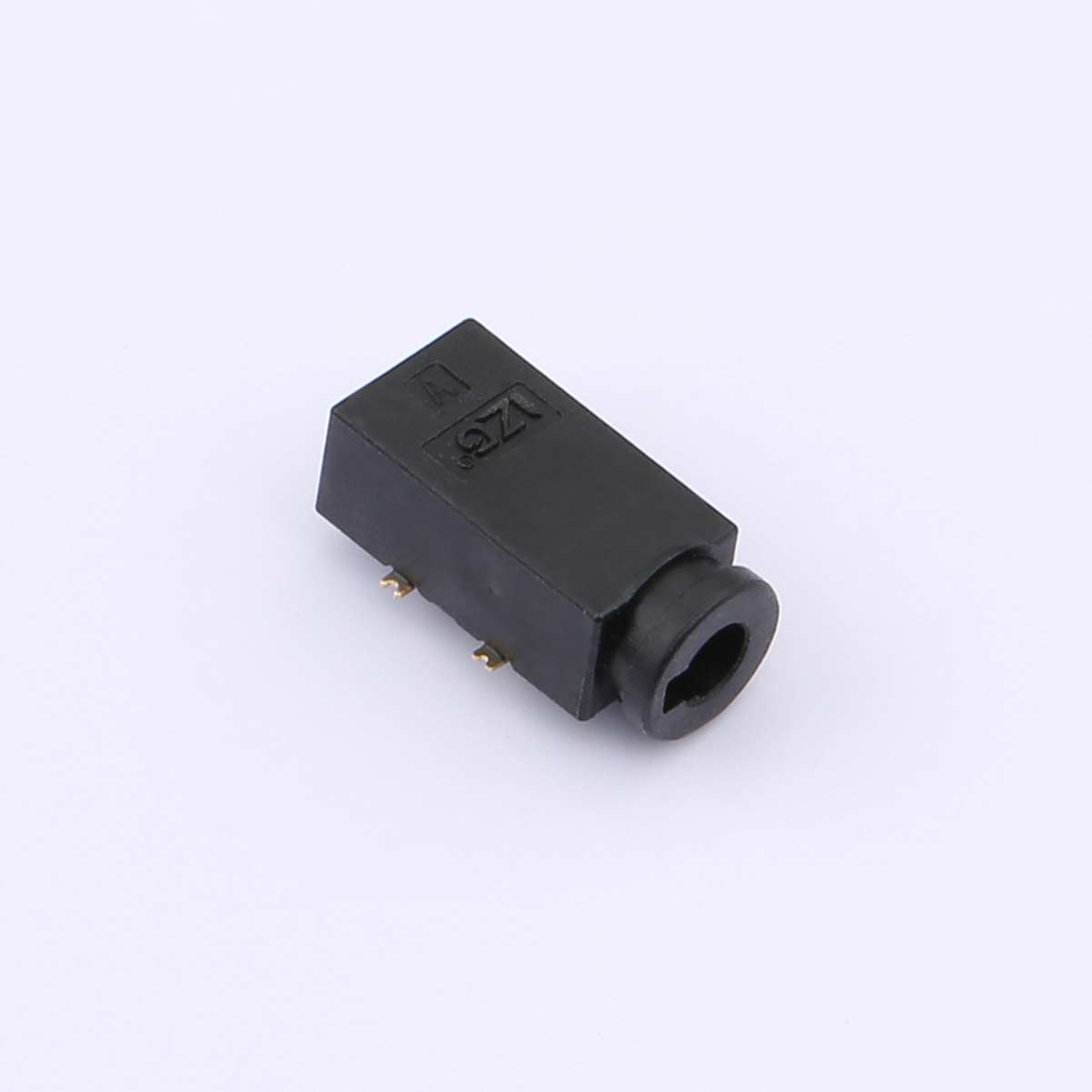
Audio Jack Connector (headphone), 2.5mm, 5PIN, L=12.6mm, KH-PJ-20001-05SBAP-A
CURRENT RATING: 1A
CONTACT RESISTANCE: 100mΩ MAX.
INSULATION RESISTANCE: 100MΩ MIN.
DIELECTRIC WITHSTANDING: 500V AC MIN.
DURABILITY: 5000 CYCLES MIN.
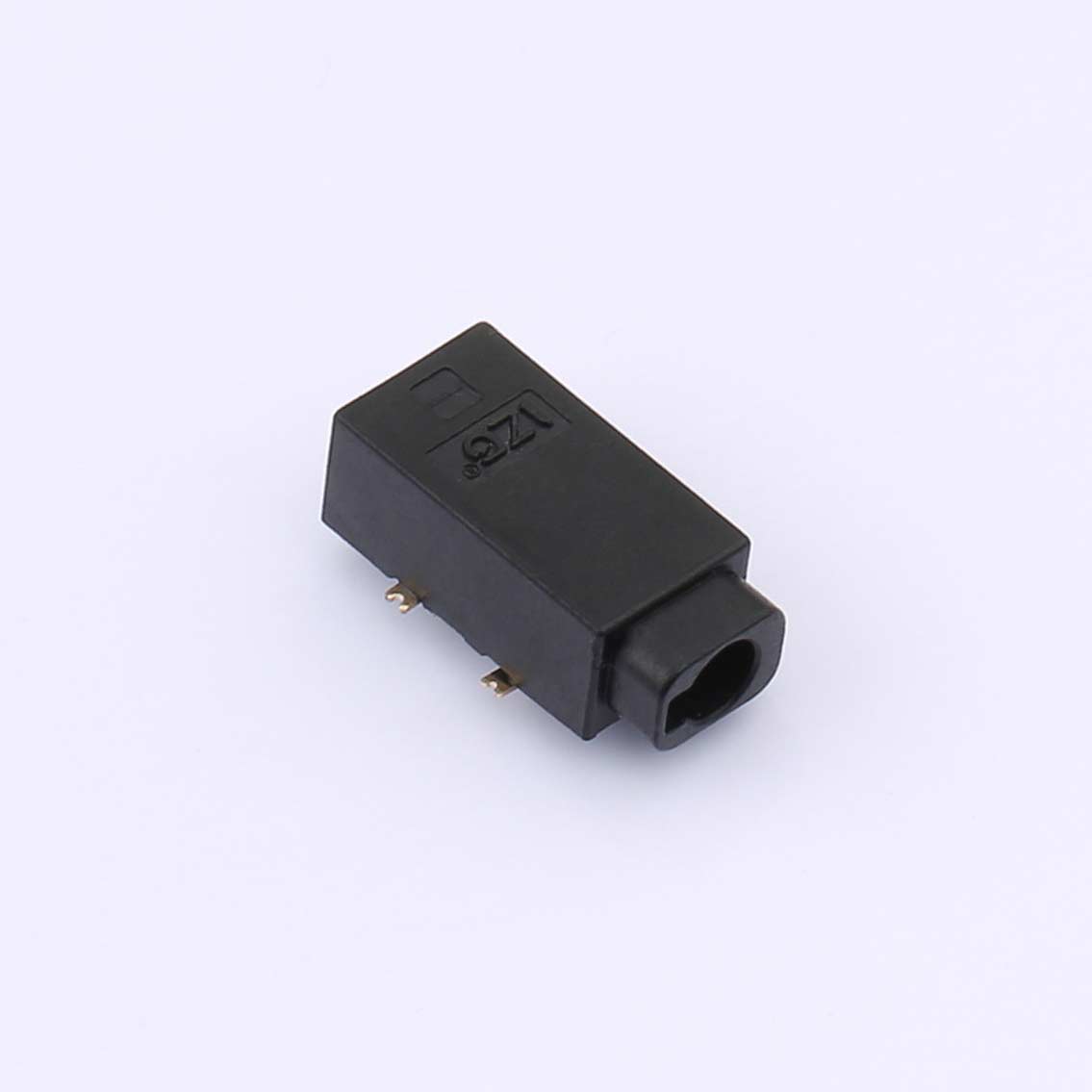
Audio Jack Connector (headphone), 2.5mm, 5PIN, L=12.6mm, KH-PJ-20003-05SBAP-A
CURRENT RATING: 1A
CONTACT RESISTANCE: 100mΩ MAX.
INSULATION RESISTANCE: 100MΩ MIN.
DIELECTRIC WITHSTANDING: 500V AC MIN.
DURABILITY: 5000 CYCLES MIN.
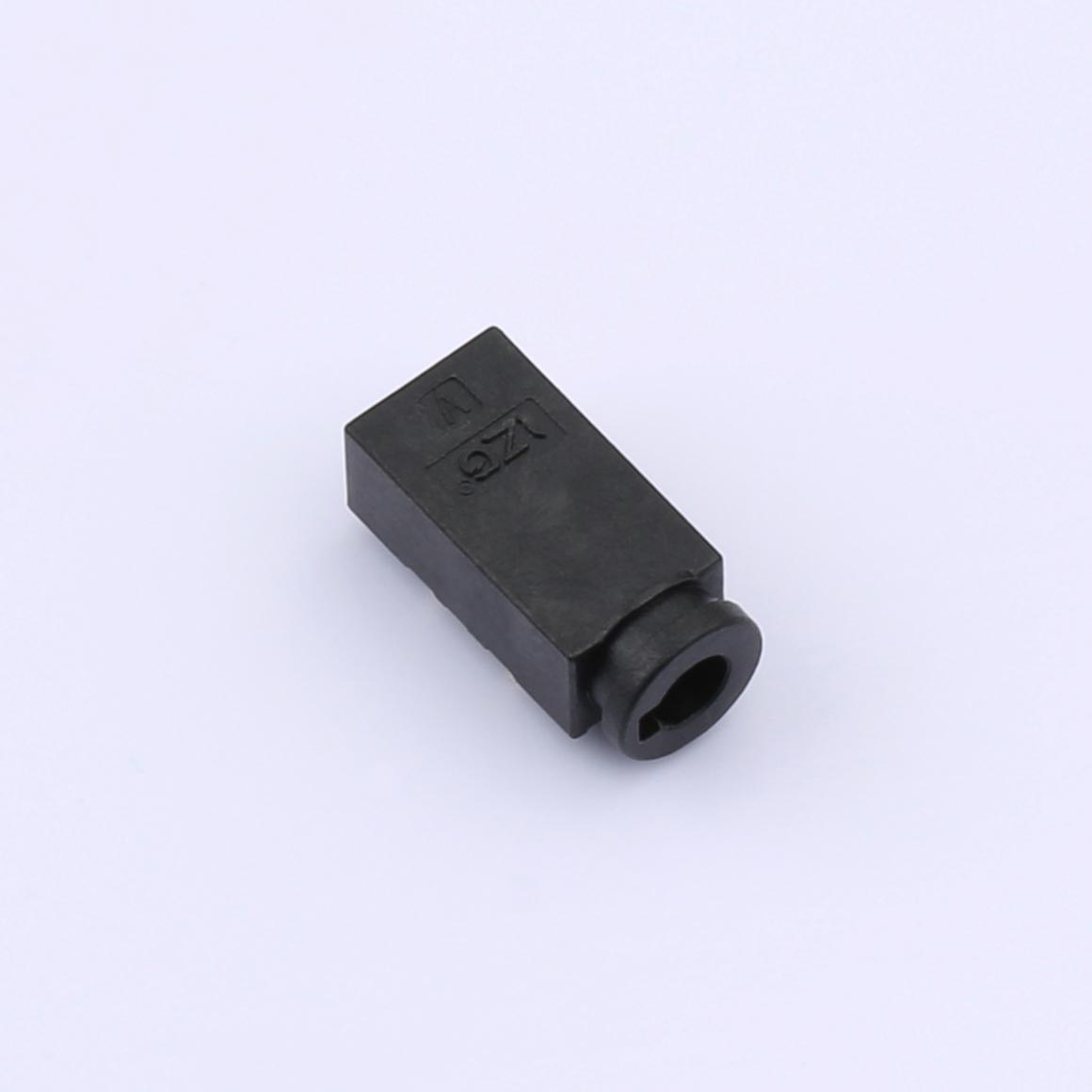
Audio Jack Connector (headphone), 2.5mm, 6PIN, L=12.6mm, KH-PJ-20002-06DBAP-A
CURRENT RATING: 1A
CONTACT RESISTANCE: 100mΩ MAX.
INSULATION RESISTANCE: 100MΩ MIN.
DIELECTRIC WITHSTANDING: 500V AC MIN.
DURABILITY: 5000 CYCLES MIN.
Pin & Female Header
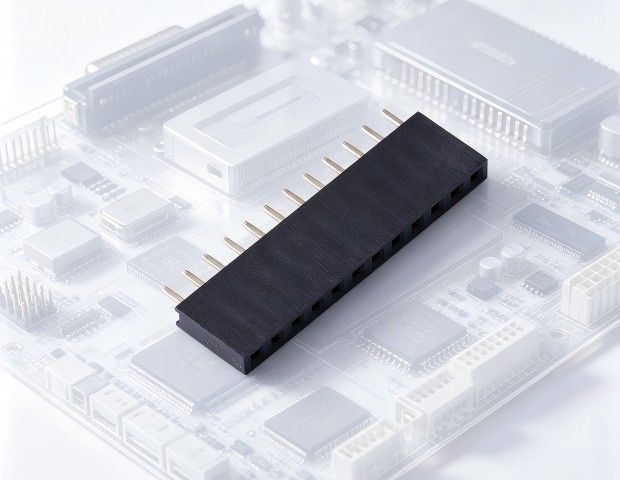
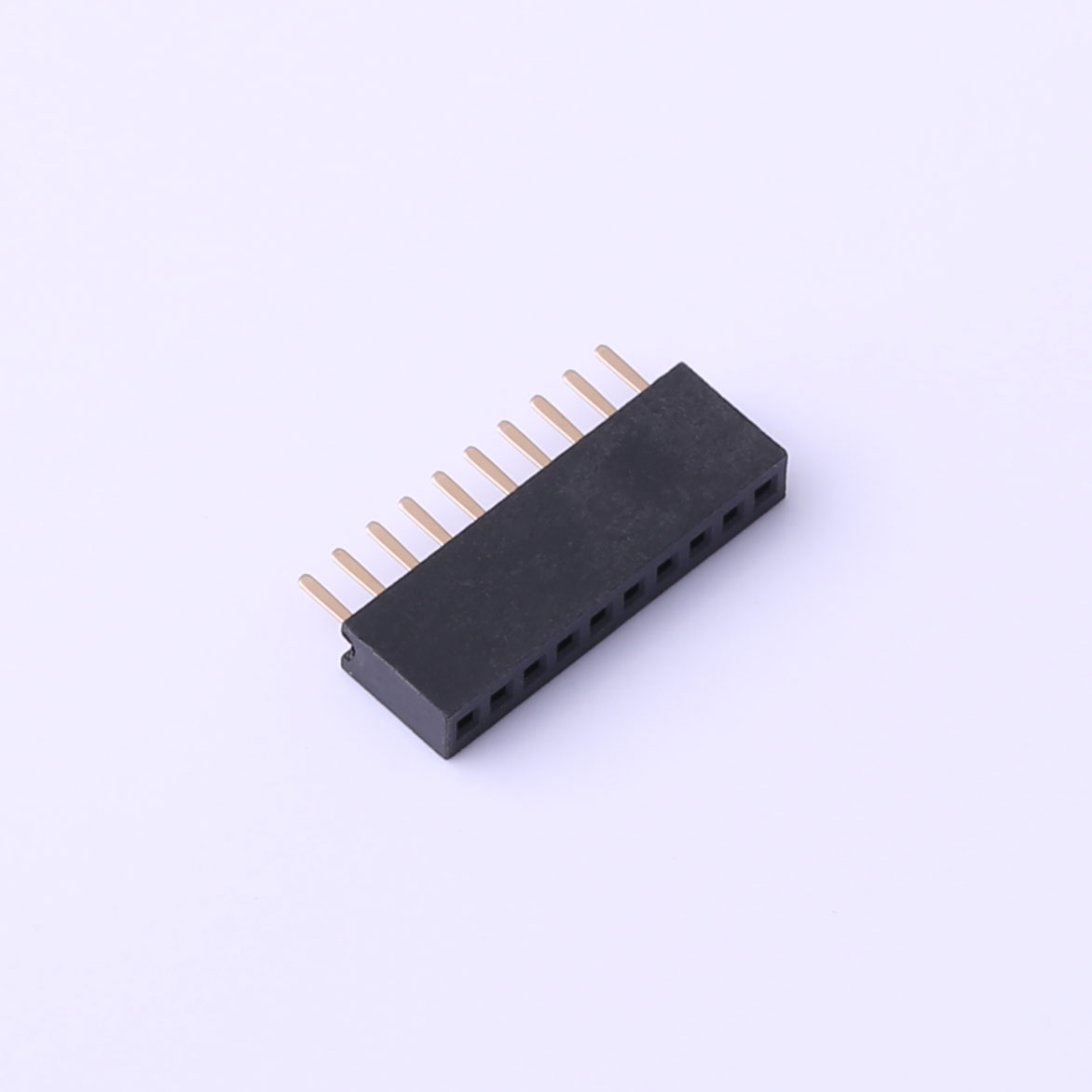
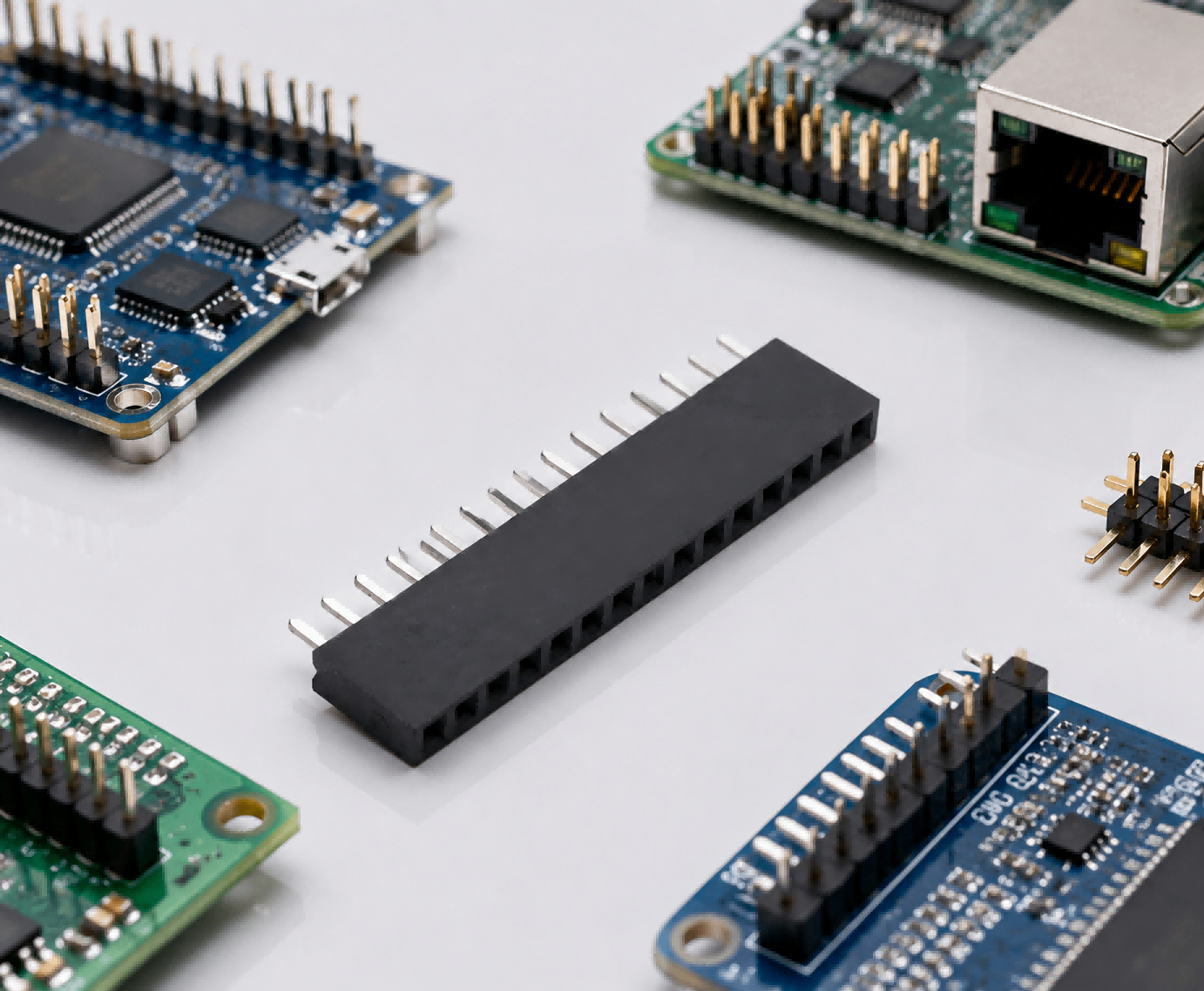
1.27mm Female Header Connector, 1X10P, 1A, KH-1.27FH-1X10P-H4.3
Current Rating: 1.0A
Insulation Resistance: 1000MΩ Min
Contact Resistance: 20mΩ max
Withstanding Voltage: AC 500V
Operating Temperature: -40°C to +105°C
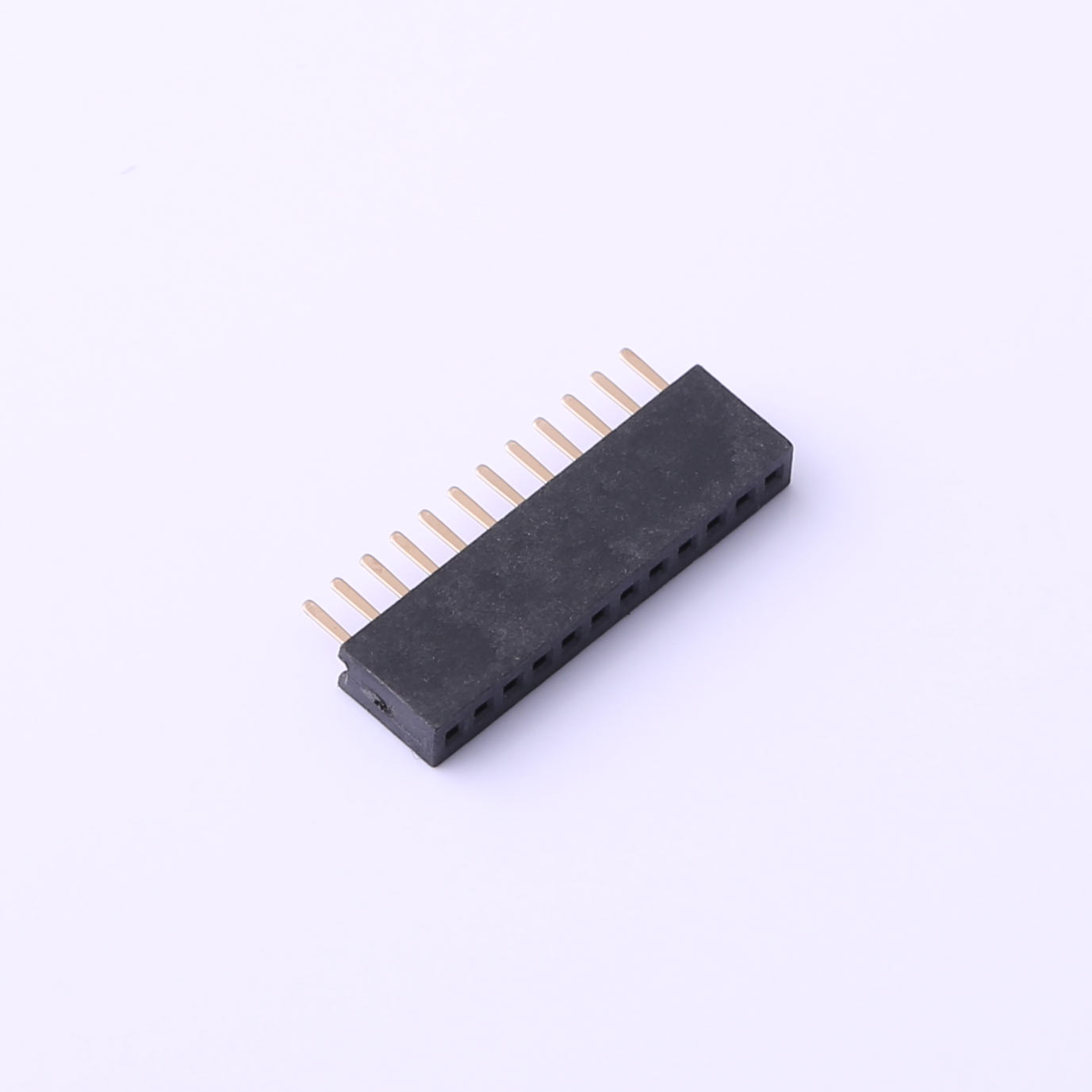
1.27mm Female Header Connector, 1X12P, 1A, KH-1.27FH-1X12P-H4.3
Current Rating: 1.0A
Insulation Resistance: 1000MΩ Min
Contact Resistance: 20mΩ max
Withstanding Voltage: AC 500V
Operating Temperature: -40°C to +105°C
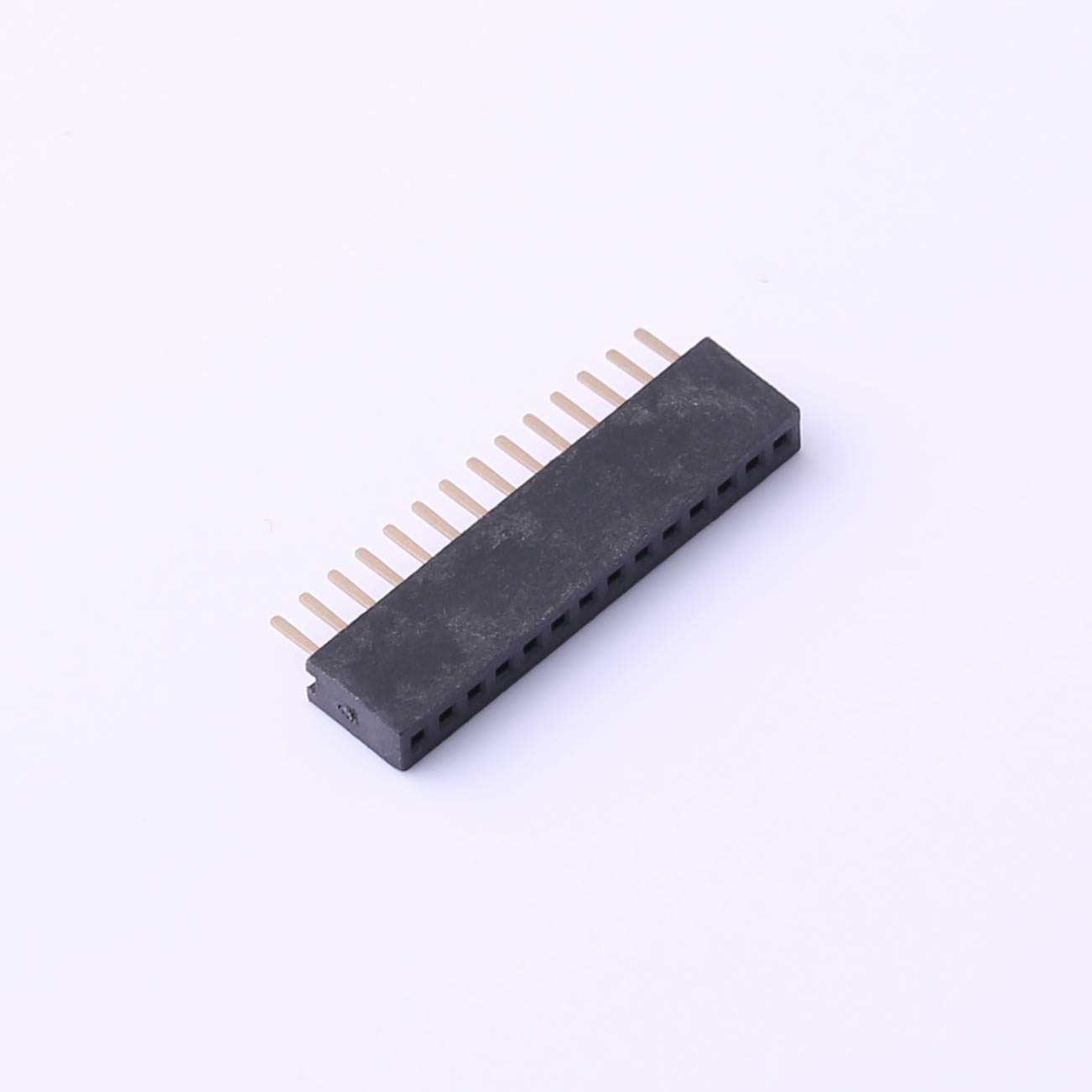
1.27mm Female Header Connector, 1X14P, 1A, KH-1.27FH-1X14P-H4.3
Current Rating: 1.0A
Insulation Resistance: 1000MΩ Min
Contact Resistance: 20mΩ max
Withstanding Voltage: AC 500V
Operating Temperature: -40°C to +105°C
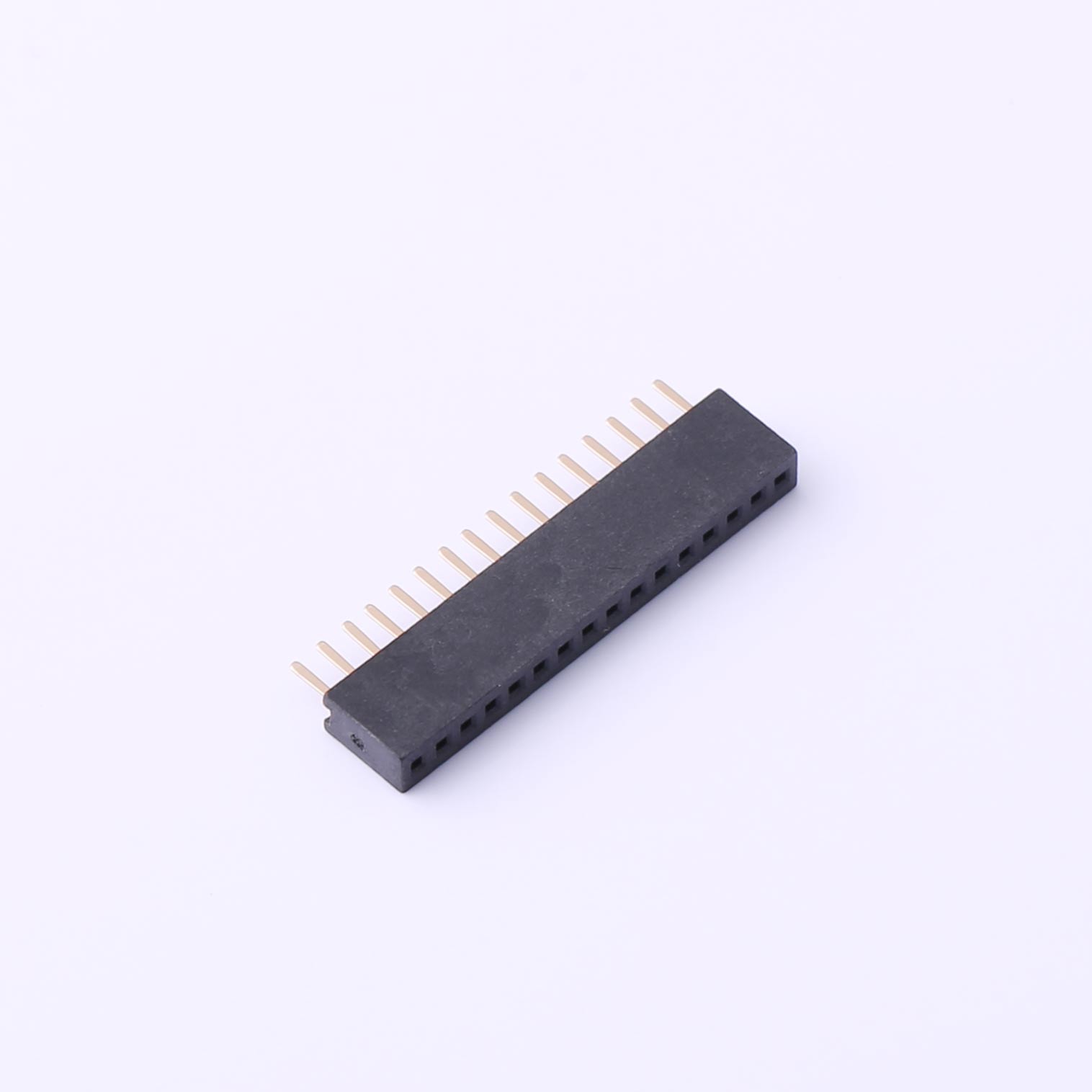
1.27mm Female Header Connector, 1X16P, 1A, KH-1.27FH-1X16P-H4.3
Current Rating: 1.0A
Insulation Resistance: 1000MΩ Min
Contact Resistance: 20mΩ max
Withstanding Voltage: AC 500V
Operating Temperature: -40°C to +105°C
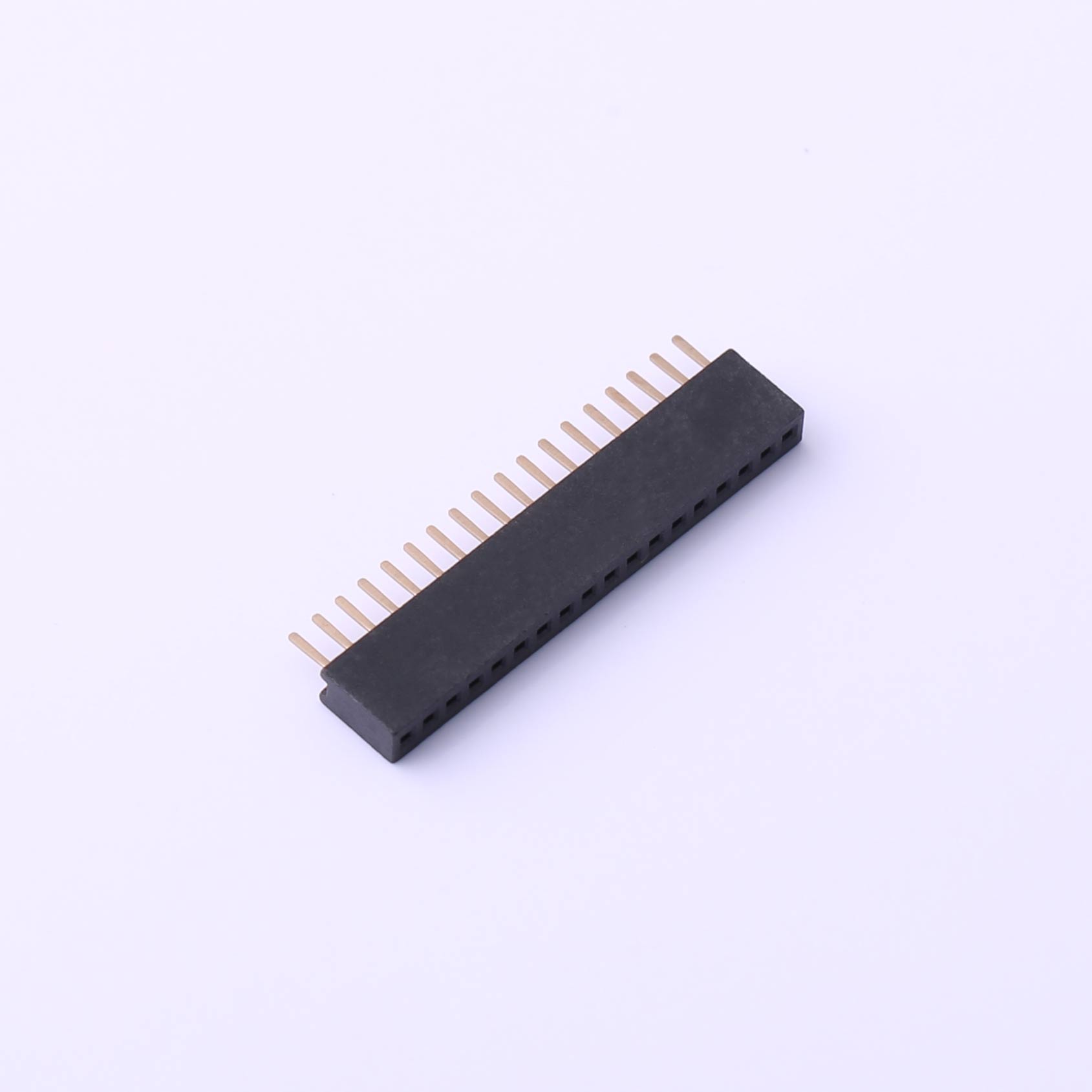
1.27mm Female Header Connector, 1X18P, 1A, KH-1.27FH-1X18P-H4.3
Current Rating: 1.0A
Insulation Resistance: 1000MΩ Min
Contact Resistance: 20mΩ max
Withstanding Voltage: AC 500V
Operating Temperature: -40°C to +105°C
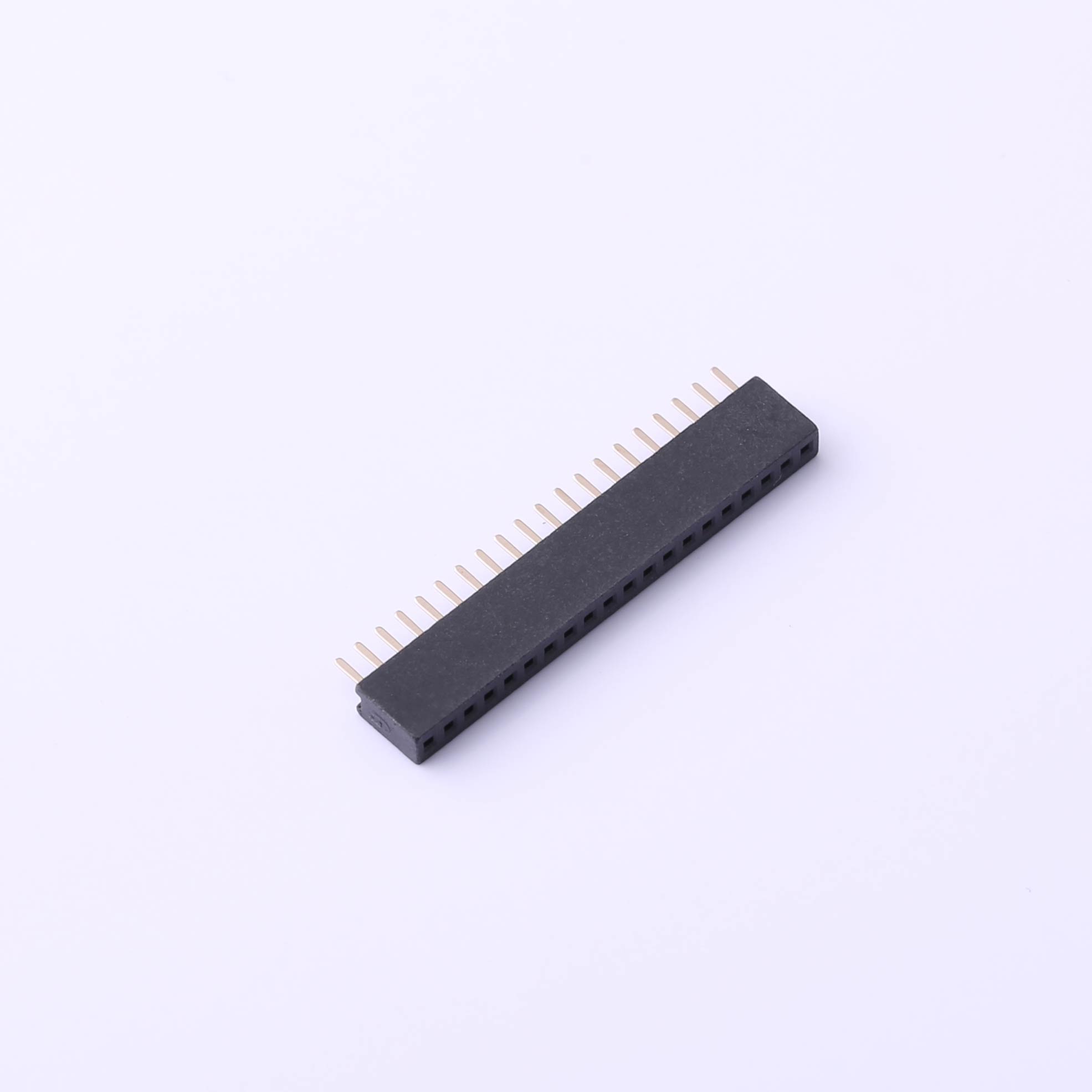
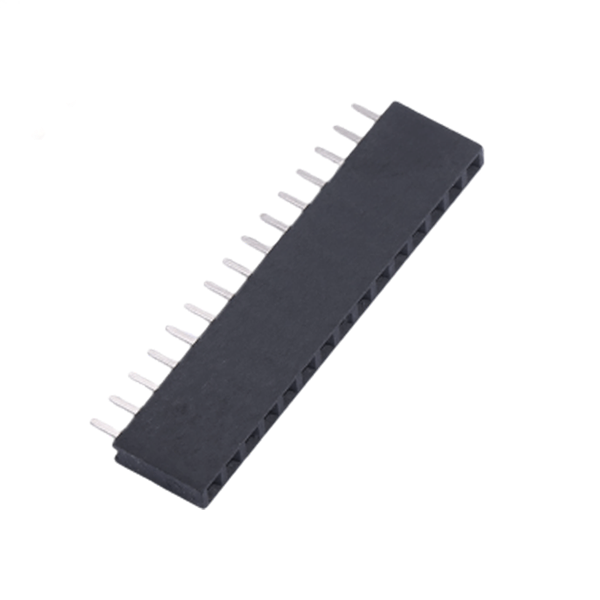
1.27mm Female Header Connector, 1X20P, 1A, KH-1.27FH-1X20P-H4.3
Current Rating: 1.0A
Insulation Resistance: 1000MΩ Min
Contact Resistance: 20mΩ max
Withstanding Voltage: AC 500V
Operating Temperature: -40°C to +105°C
High-Speed High-Frequency Harnesses
High-Speed Signal Harnesses
High-Speed Signal Connectors
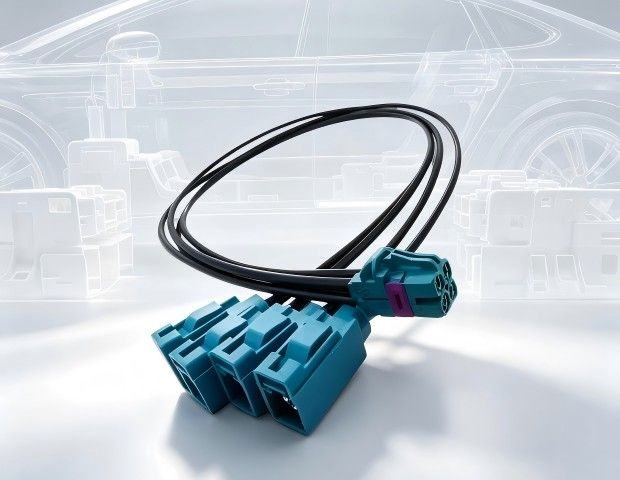
Special Custom Products
Medical Connectors
New Energy Vehicle Harnesses
Aviation Plugs
Industrial Connectors
Semiconductor Test Probes
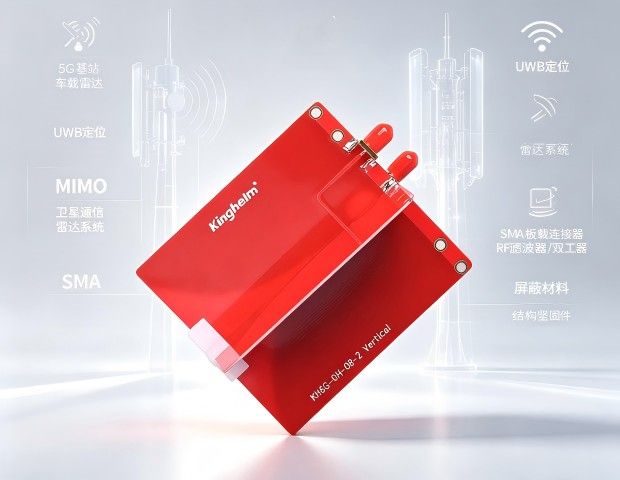
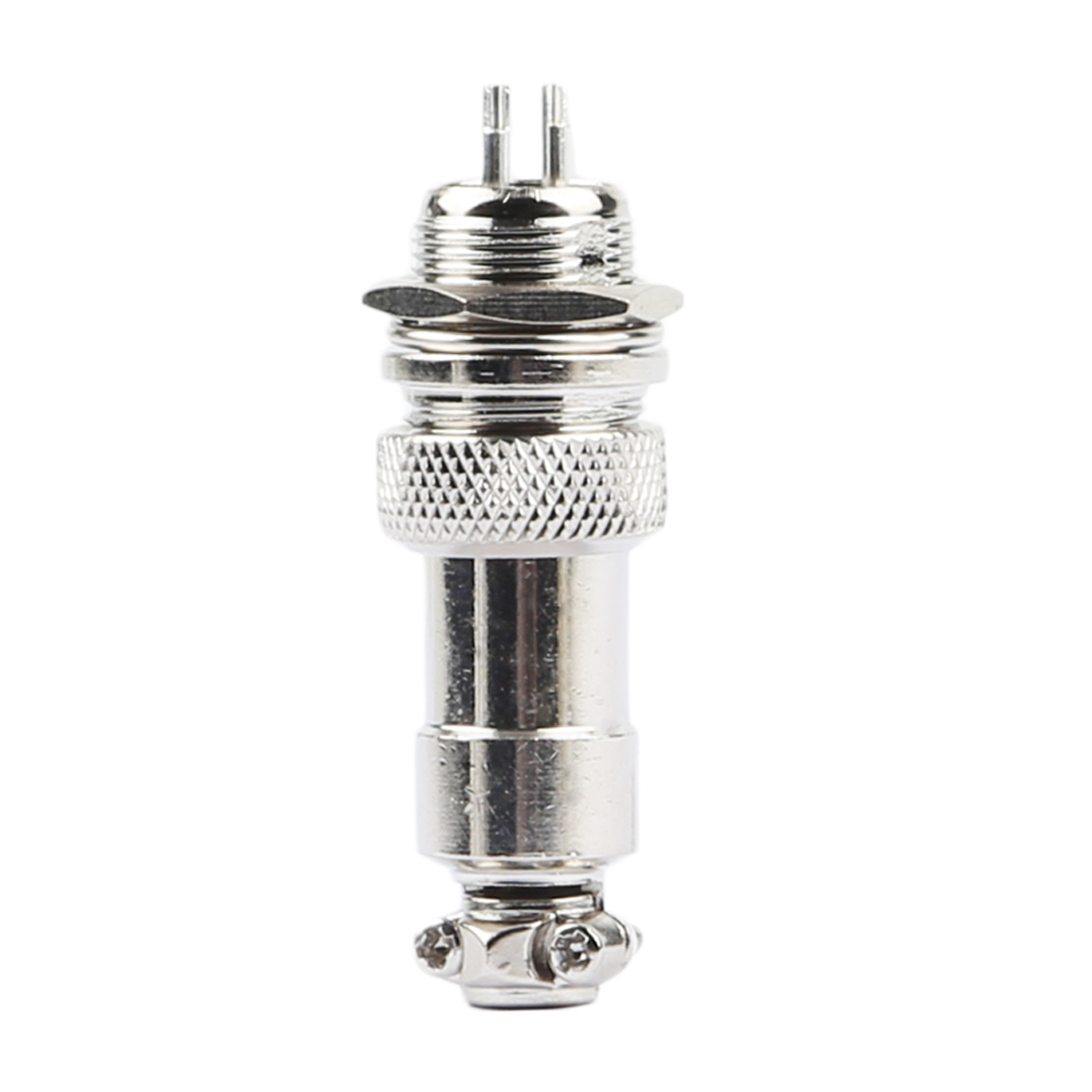
Aviation Connector, M12, Male & Female, 2-Pin, KH-GX12-2P
Angle: Straight Head
Voltage Rating: 200V
Current Rating: 5A
Gender: Set of Male and Female
Socket Specification: M12
Number of Pins: 2 Pins
Operating Temperature: -20℃ to +85℃
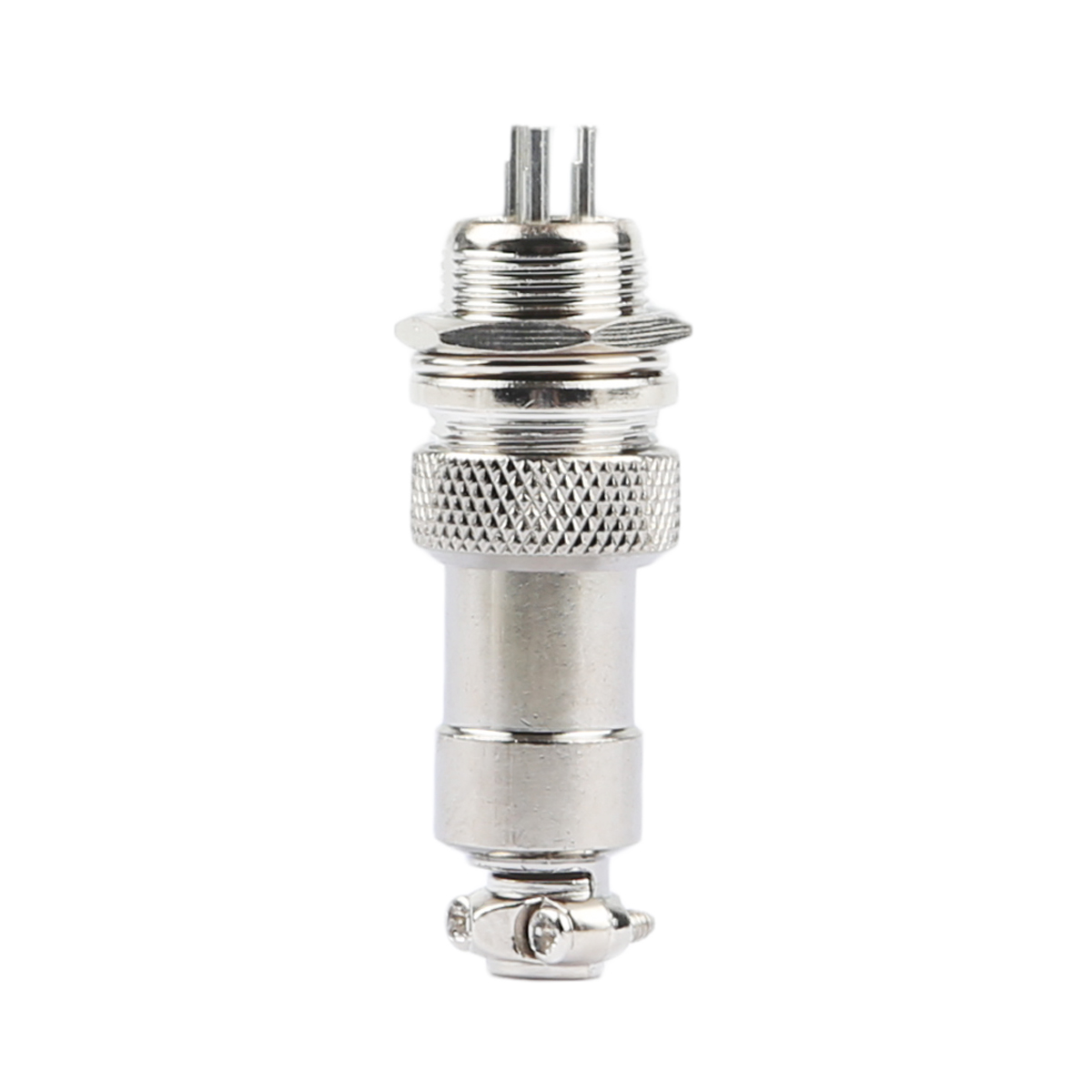
Aviation Connector, M12, Male & Female, 3-Pin, KH-GX12-3P
Angle: Straight Head
Voltage Rating: 125V
Current Rating: 5A
Gender: Set of Male and Female
Socket Specification: M12
Number of Pins: 3 Pins
Operating Temperature: -20℃ to +85℃
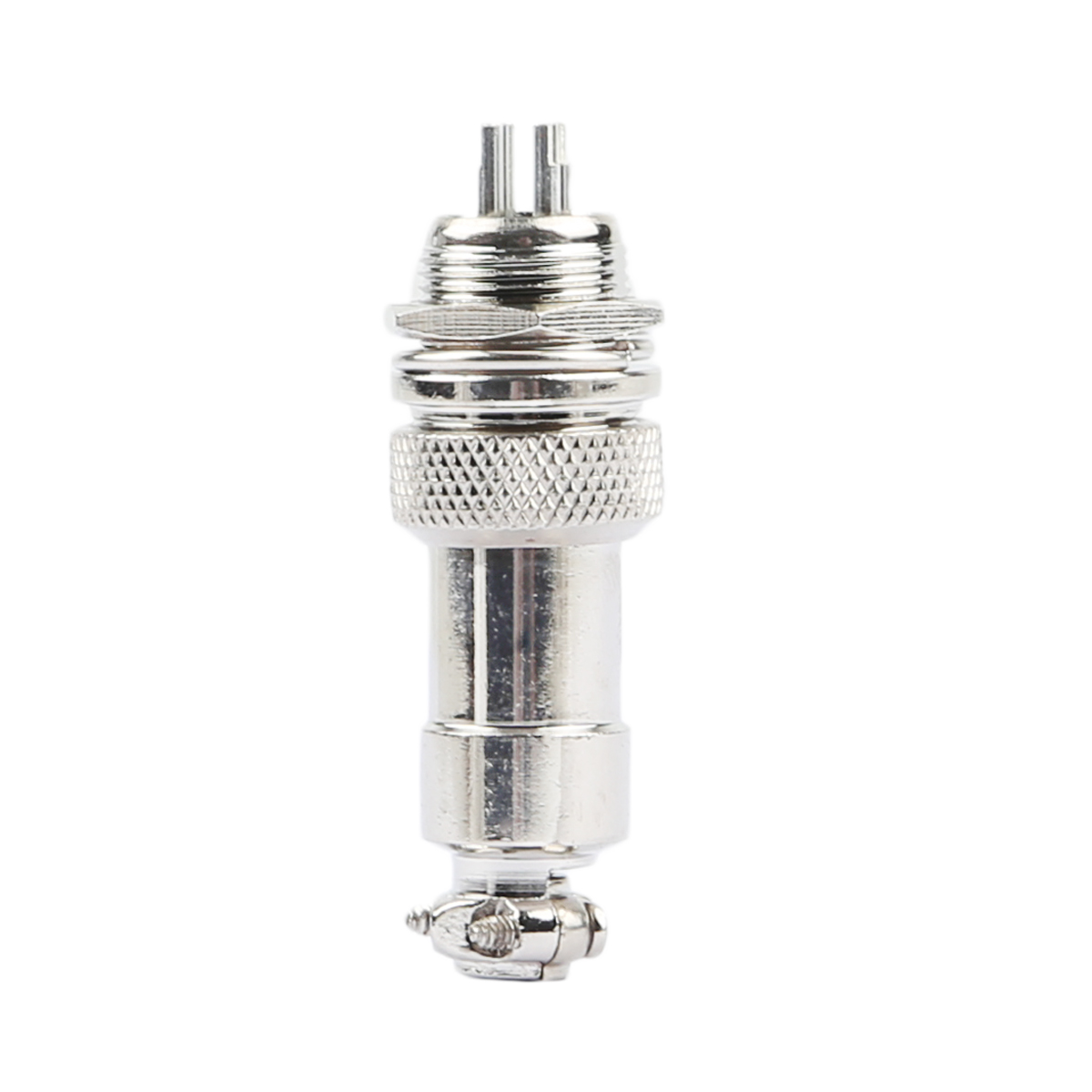
Aviation Connector, M12, Male & Female, 4-Pin, KH-GX12-4P
Angle: Straight Head
Voltage Rating: 125V
Current Rating: 5A
Gender: Set of Male and Female
Socket Specification: M12
Number of Pins: 4 Pins
Operating Temperature: -20℃ to +85℃
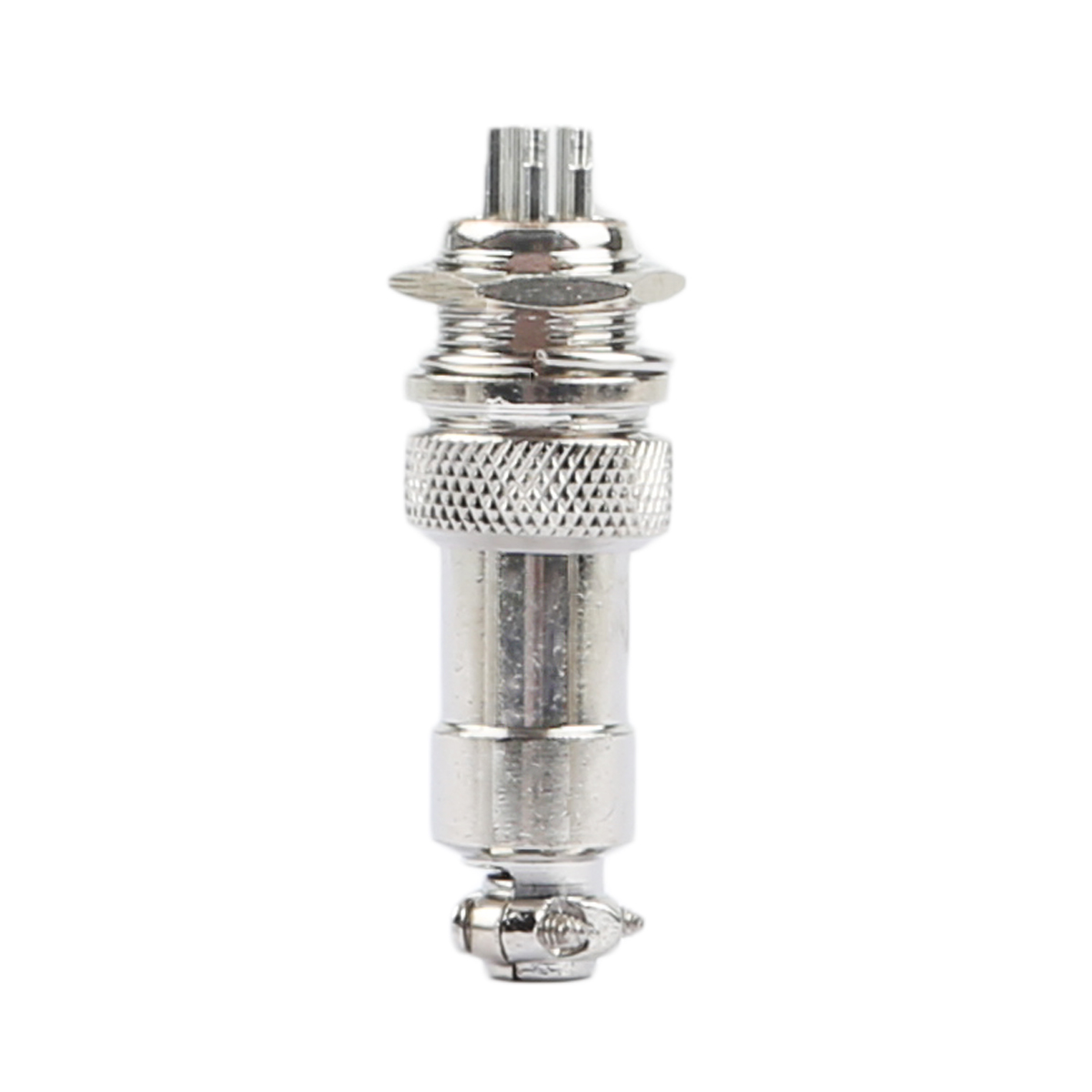
Aviation Connector, M12, Male & Female, 5-Pin, KH-GX12-5P
Angle: Straight Head
Voltage Rating: 125V
Current Rating: 5A
Gender: Set of Male and Female
Socket Specification: M12
Number of Pins: 5 Pins
Operating Temperature: -20℃ to +85℃
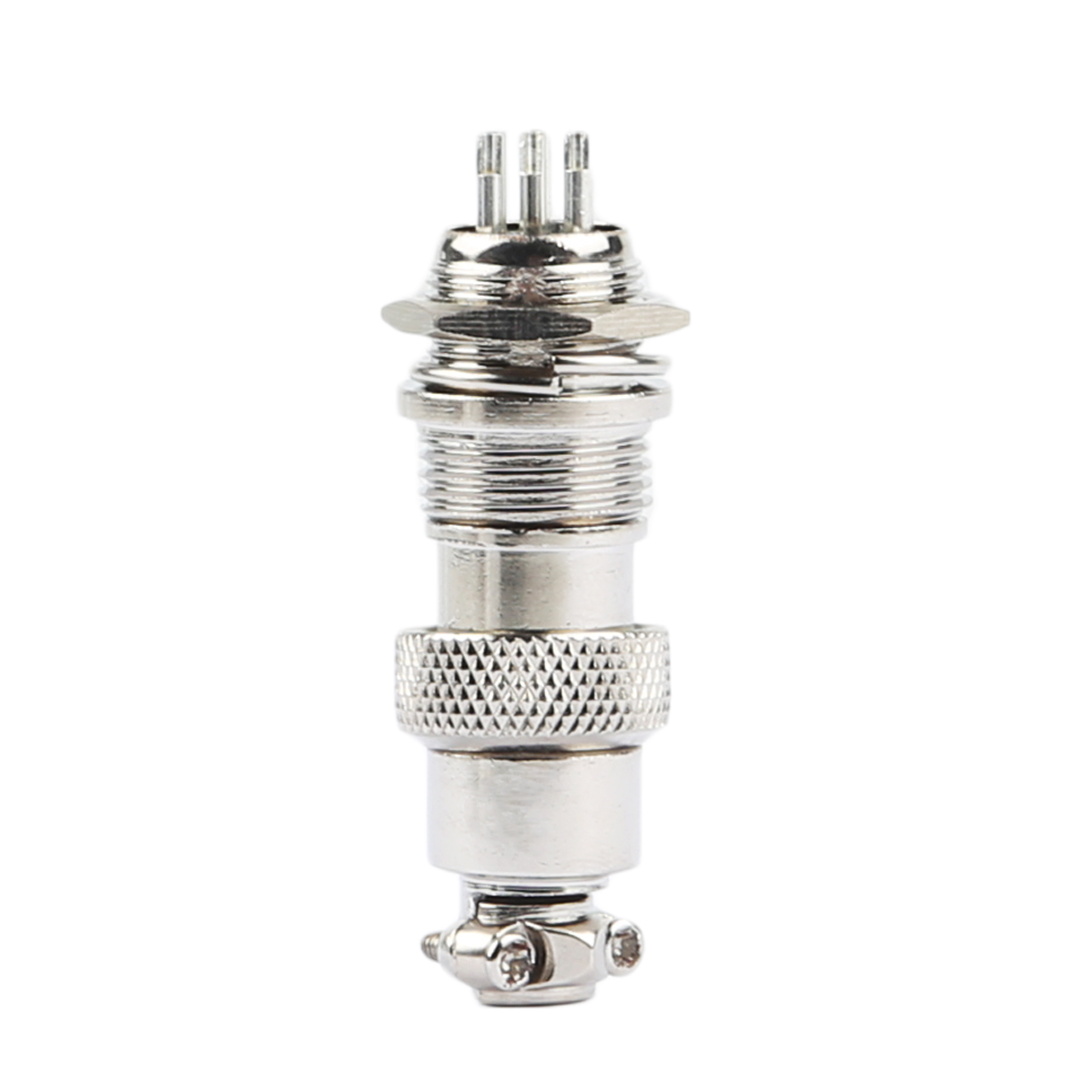
Aviation Connector, M12, Male & Female, 6-Pin, KH-GX12-6P
Angle: Straight Head
Voltage Rating: 125V
Current Rating: 5A
Gender: Set of Male and Female
Socket Specification: M12
Number of Pins: 6 Pins
Operating Temperature: -20℃ to +85℃
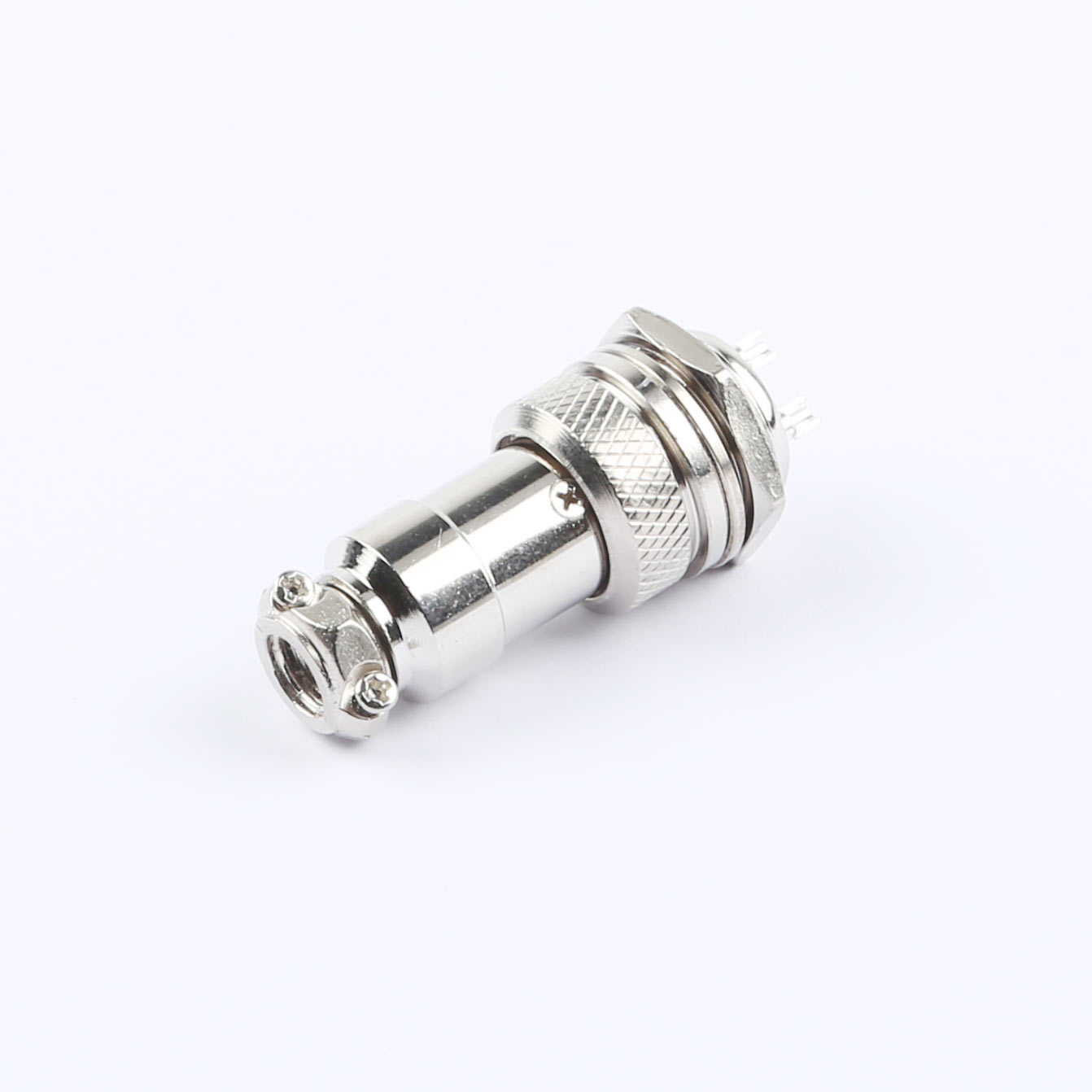
Aviation Connector, M16, Male & Female, 2-Pin, KH-GX16-2P
Angle: Straight Head
Contact Material: Copper Alloy
Voltage Rating: 220V
Current Rating: 7A
Gender: Set of Male and Female
Socket Specification: M16
Number of Pins: 2 Pins
Operating Temperature: -20℃ to +85℃
Industry Applications
Product Highlight
KH-PB-22E18-WS Six-Pin Momentary Push Button Switch: A Compact and Reliable Triggering Solution
2026-10-27
KH-PB-22E08 Self-Locking Push Button Switch: A Practical Choice for Compact Through-Hole Applications
2026-10-26
KH-PB-22E37-WS Six-Pin Momentary Push Button Switch: Compact Design, Reliable Actuation
2026-10-24
KH-PB-22E27 Push Button Switch: Compact 7×7 mm DPDT Design
2026-10-23
KH-PB-22E75-WS Push Button Switch: Ultra-Compact 5.8 mm Six-Pin DPDT Design for High-Density PCBs
2026-10-22
KH-PB-22E65 Push Button Switch: 5.8 mm Six-Pin Latching Design for Ultra-Compact PCB Applications
2026-10-21
KH-PB-22E70-WS Six-Pin Momentary Push Button Switch: Control the Circuit in a Tiny Space
2026-10-20
KH-FKRM-1007-04Z FAKRA RF Connector: Reliable Connection Solution for Automotive Communication
2026-10-19
KH-FKRM-1007-04C Blue FAKRA PCB-Mount Male Connector: Enabling More Reliable High-Frequency In-Vehicle Connectivity
2026-10-16
KH-FKRM-1003-03Z Light Blue FAKRA Connector for Smart Automotive RF Connectivity
2026-10-15
Case Solutions
Application of Kinghelm BDS/GPS/Bluetooth RF Products in New Energy Vehicle T-BOX
2025-06-11
Connectors for the Latest Router Applications
2025-02-13
The Unsung Heroes of the Holidays: Kinghelm’s Components Power Your Holiday Gatherings
2024-12-23
G500M Tracker Manual: A Comprehensive Guide to Using Your GPS Tracker
2024-11-25
Kinghelm KH-Type-C-16P USB Type-C Connector: A Reliable Alternative to HRO TYPE-C-31-M-12
2024-11-21
Kinghelm Electronics: Advanced Vehicle Location Terminal for Reliable Tracking
2024-10-09
Kinghelm Vehicle Positioning Terminal KH-A3B 4G Product Manual(Part Ⅲ)
2024-03-12
Kinghelm Vehicle Positioning Terminal KH-A3B 4G Product Manual(Part Ⅱ)
2024-03-12
Kinghelm Vehicle Positioning Terminal KH-A3B 4G Product Manual(Part Ⅰ)
2024-03-12
Smart solutions for nursing homes
2022-03-26

Blogs
How to Choose an 868 MHz Antenna for Sub-GHz Applications
2026-10-16
What Is the Difference Between Tactile Switches and Push Button Switches? Clearing Up Confusion
2026-10-10
Why SMB Connectors Are Easy to Spec Wrong — A Complete Technical Guide
2026-09-23
Connector Selection Checklist: Matching RF, Board-to-Board and Wire-to-Board Families to Your Design
2026-09-17
BNC vs SMA: The Key Differences Every RF Engineer Should Know
2026-09-14
SMA to SMB Female-to-Female RF Adapter: Selection Guide & Applications
2026-09-11
PCB RF Connector vs Cable RF Connector: Key Differences and How to Choose
2026-06-24
SMB Cable Assembly Guide: Choosing, Assembling, and Optimizing SMB RF Coaxial Cables for Reliable Performance
2026-06-17
What Is a Female Header? Types, Uses, and PCB Selection Guide
2026-06-11
How to Choose a Bluetooth Antenna? From Patch to Ceramic — A Complete Selection Guide
2026-06-01
Privacy Policy
Five thousand years of Chinese civilization, sustained by its rich heritage. A vast land, with connection comes vitality. Kinghelm connects the world. In 2007, Kinghelm set sail in Huaqiangbei, Shenzhen, upholding the Eastern wisdom of “inner sage and outer king,” refining technology internally while connecting externally with responsibility. Amid global industrial collaboration, we are the link behind the interface, using electromagnetic waves and connectors as the medium to ensure stable signal links. From high-precision antennas for BD navigation to reliable signal connections for smart vehicles, we have built a product range serving communications, automotive, industrial, IoT, and more. Over 8,000 SKUs represent our deconstruction of complex connections, while 20,000+ global customers reflect long-term trust. Kinghelm has never relied on slogans, but on executable and deliverable systematic commitments. From design, manufacturing, and testing to mass delivery, standardization, systematization, and process management provide strong support. Through scaling and refinement, we enhance cost-effectiveness, making connections simple, flexible, reliable, and agile. High technology, high quality, and safety are our persistent pursuits. Thousands of parameter optimizations in the laboratory and tens of thousands of process refinements on the production line ensure that our products speak silently yet eloquently. Every detail carries our commitment. We treat complexity with patience and respond to expectations with stability. With culture as the rudder and products as the sail, the Kinghelm flagship sets sail across the world. Certified with the ISO9001 quality management system, compliant with EU RoHS and REACH standards, and awarded Dun & Bradstreet certification, we engage globally with confidence rooted in Kinghelm culture—integrity for steady progress, continuous improvement for daily advancement, attention to detail for success, and perseverance in the face of challenges. These values are written into our processes and embedded in every employee’s daily work. Only when employees live well can they work well. Executive offices are equipped with elegant tea rooms, allowing everyone to relax amid intense work. From relaxation comes creativity, from creativity comes innovation, and from innovation come excellent products that drive sustained, high-quality growth. Kinghelm brings together technical strength from Tsinghua University and UESTC, partnering with Shenzhen Institute of Information Technology to build an intelligent production base. With flexible and agile production lines, an efficiently flowing central warehouse, and reliable, efficient, and precise global delivery capabilities, we continue to move forward. Rooted in China, with an open mindset and steady steps, Kinghelm walks the path of excellence and connects the world’s needs. Customer trust is not only our responsibility, but also our mission—an oath engraved in every product. Kinghelm — the Chinese power connecting the world.
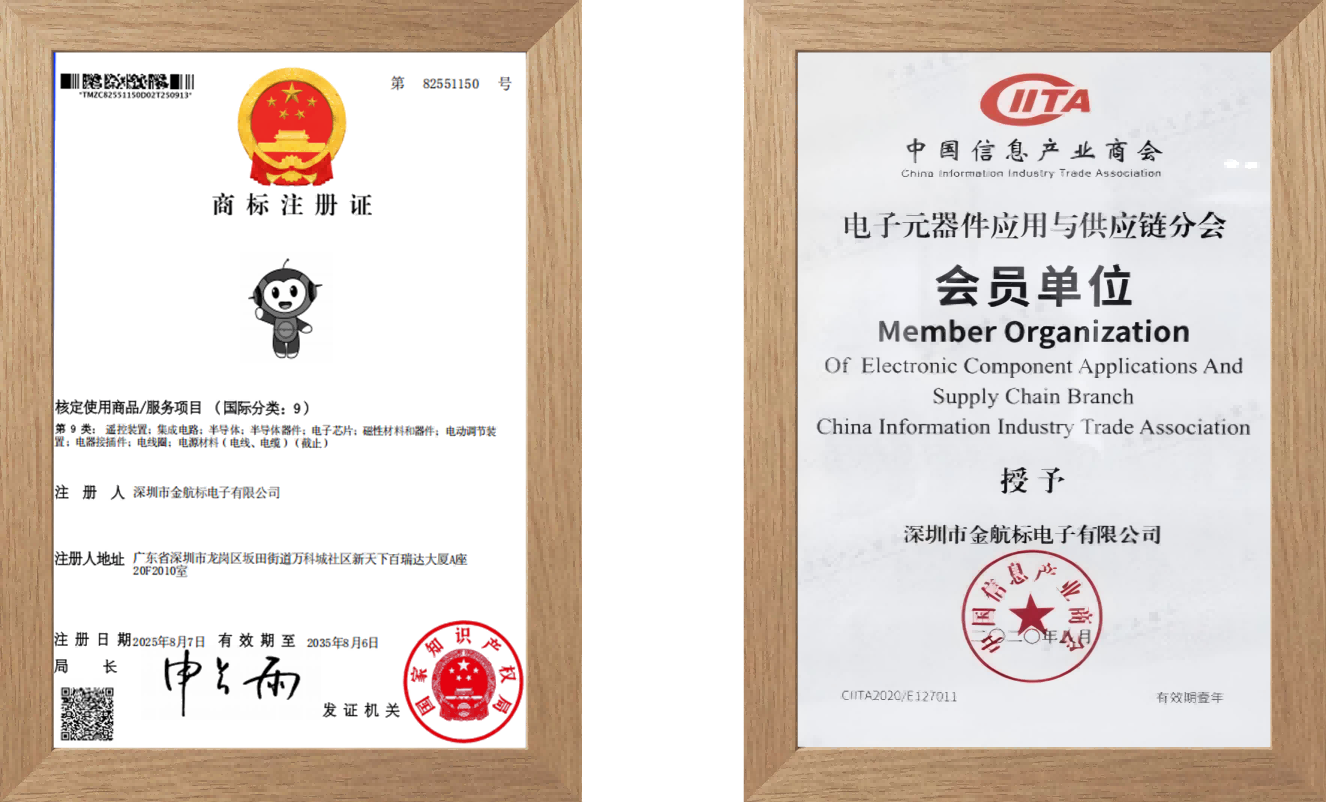
Honors & Qualifications
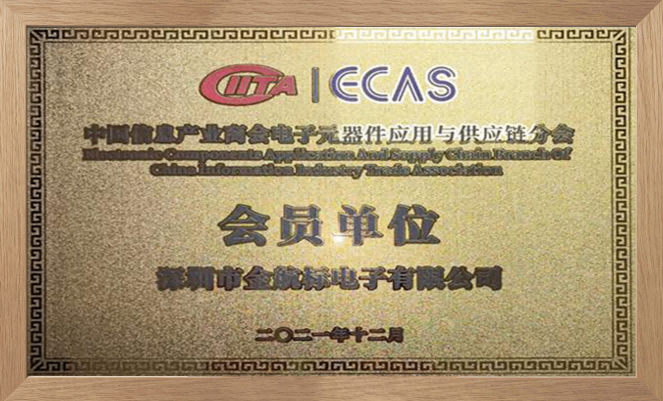
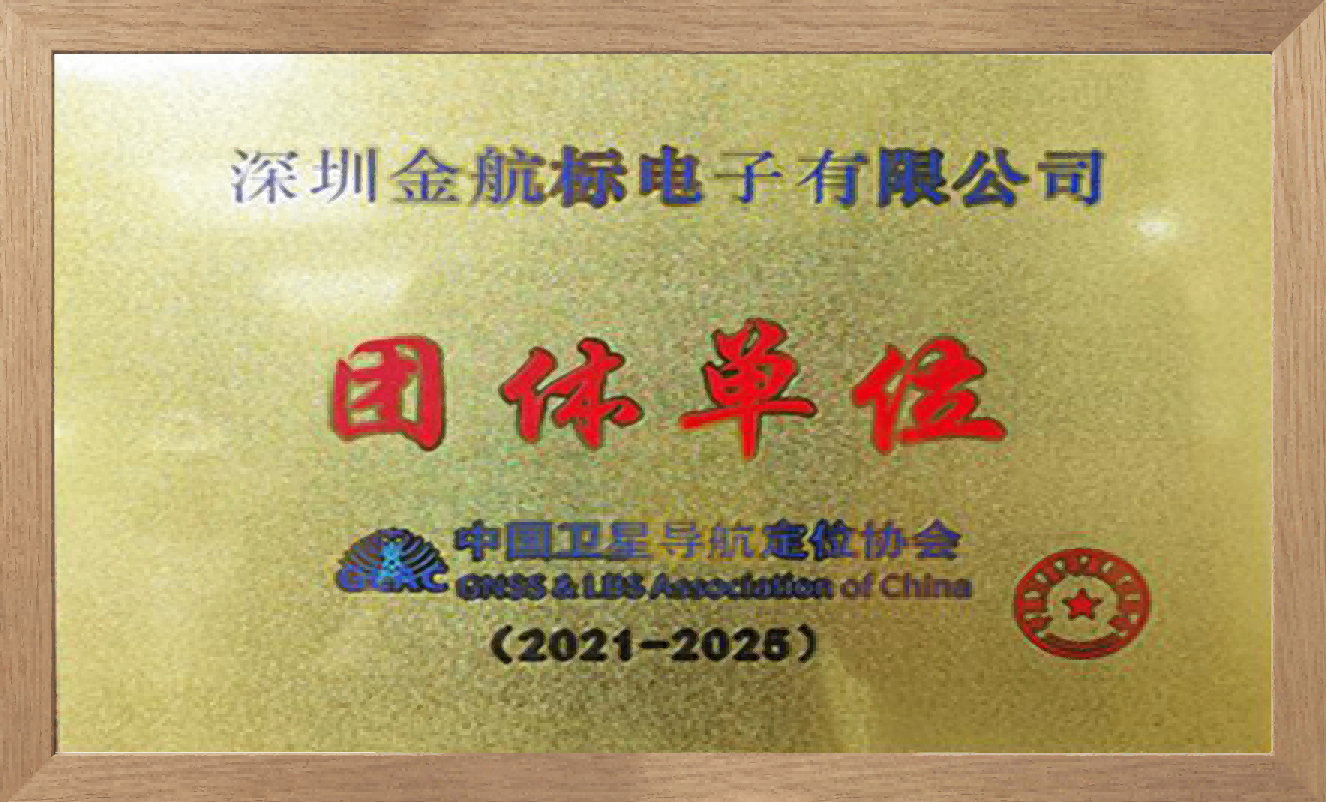
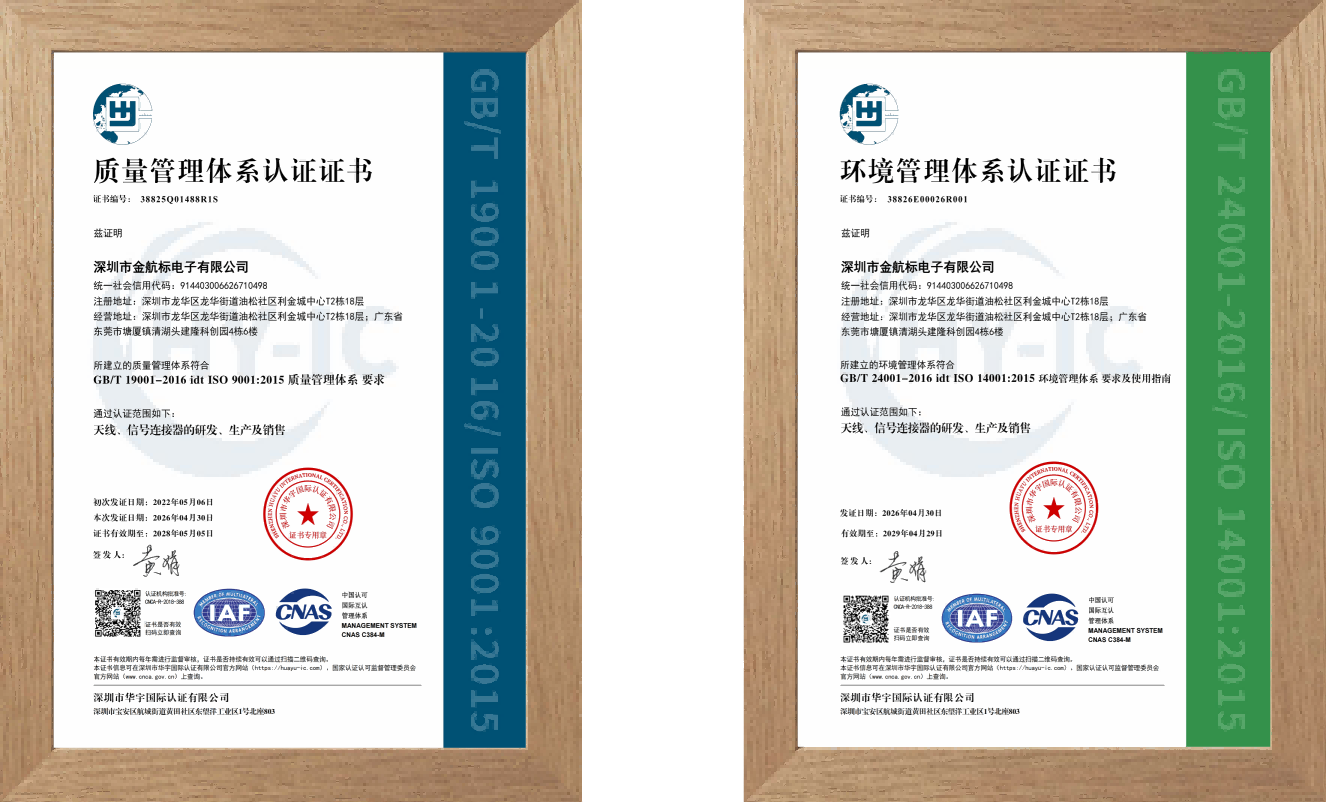
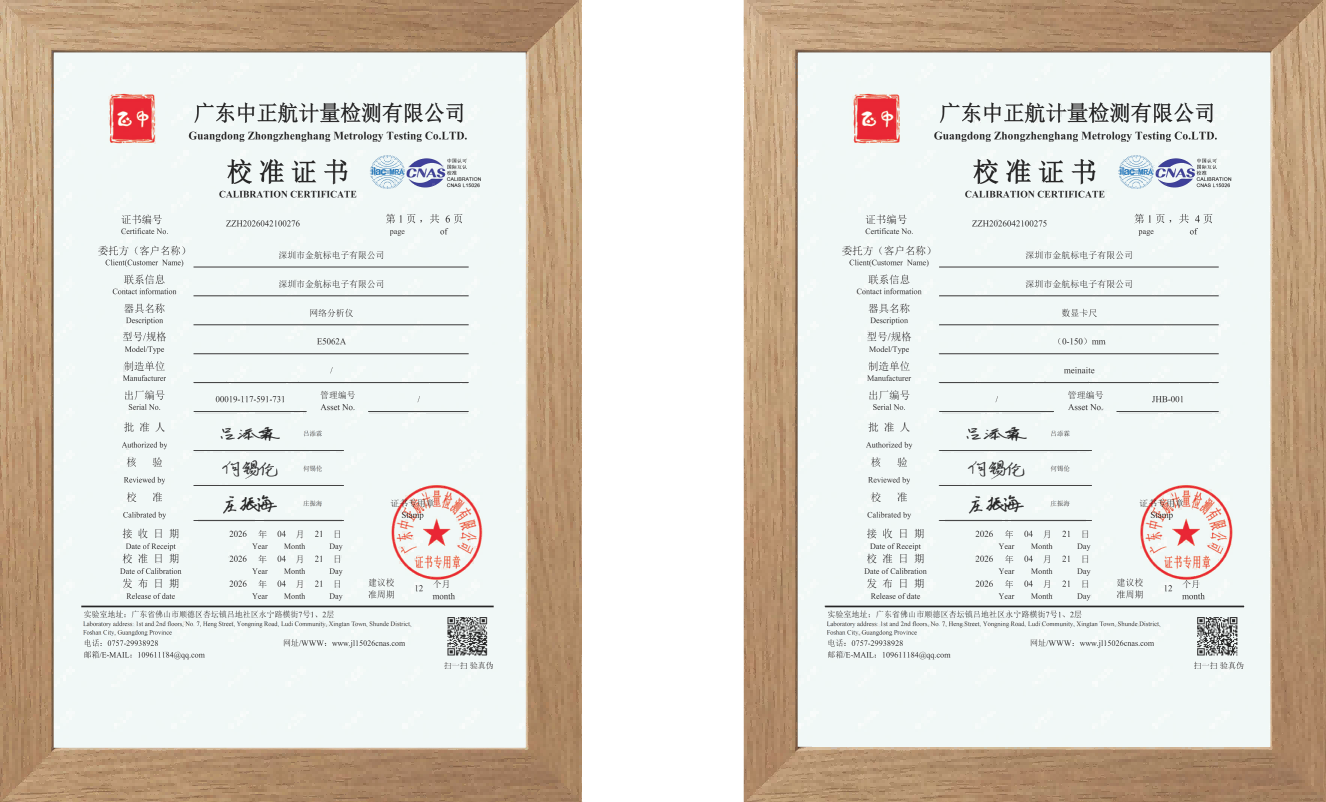
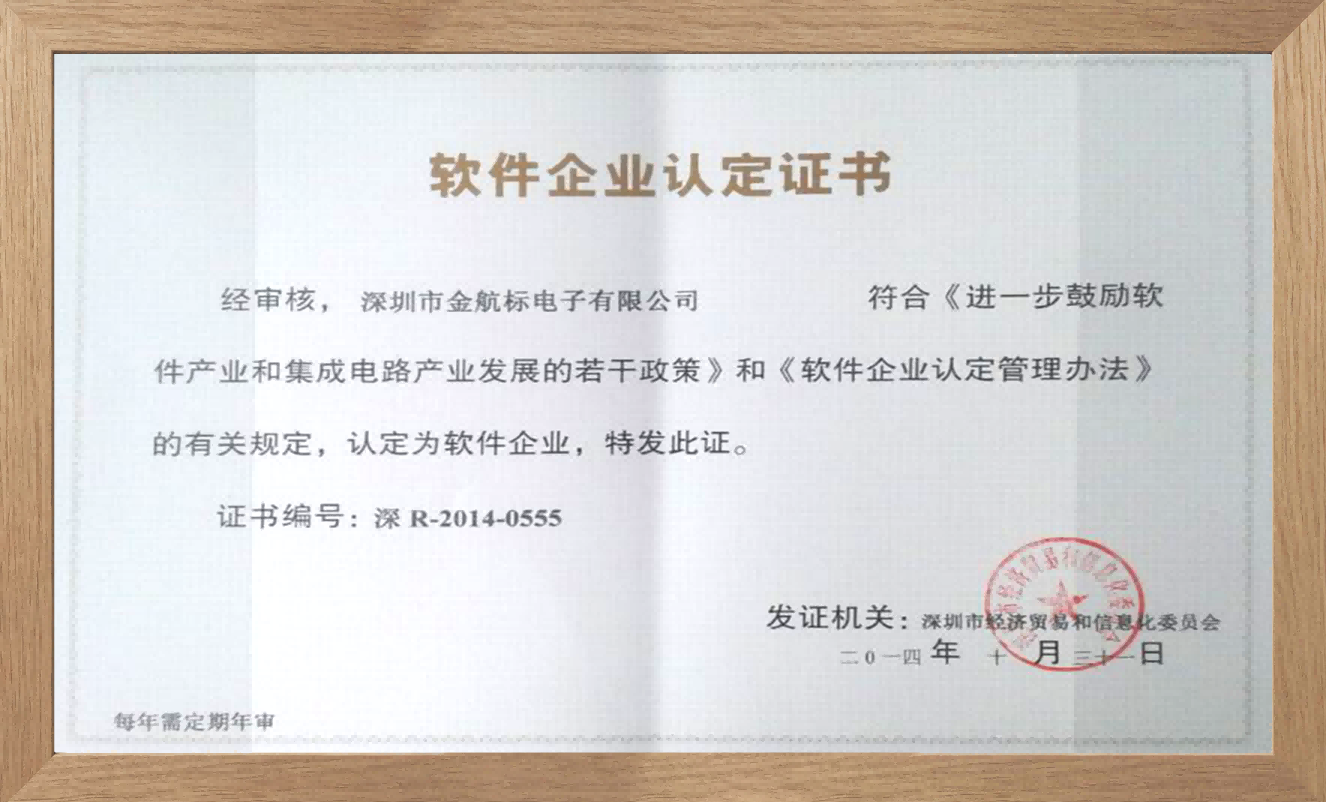
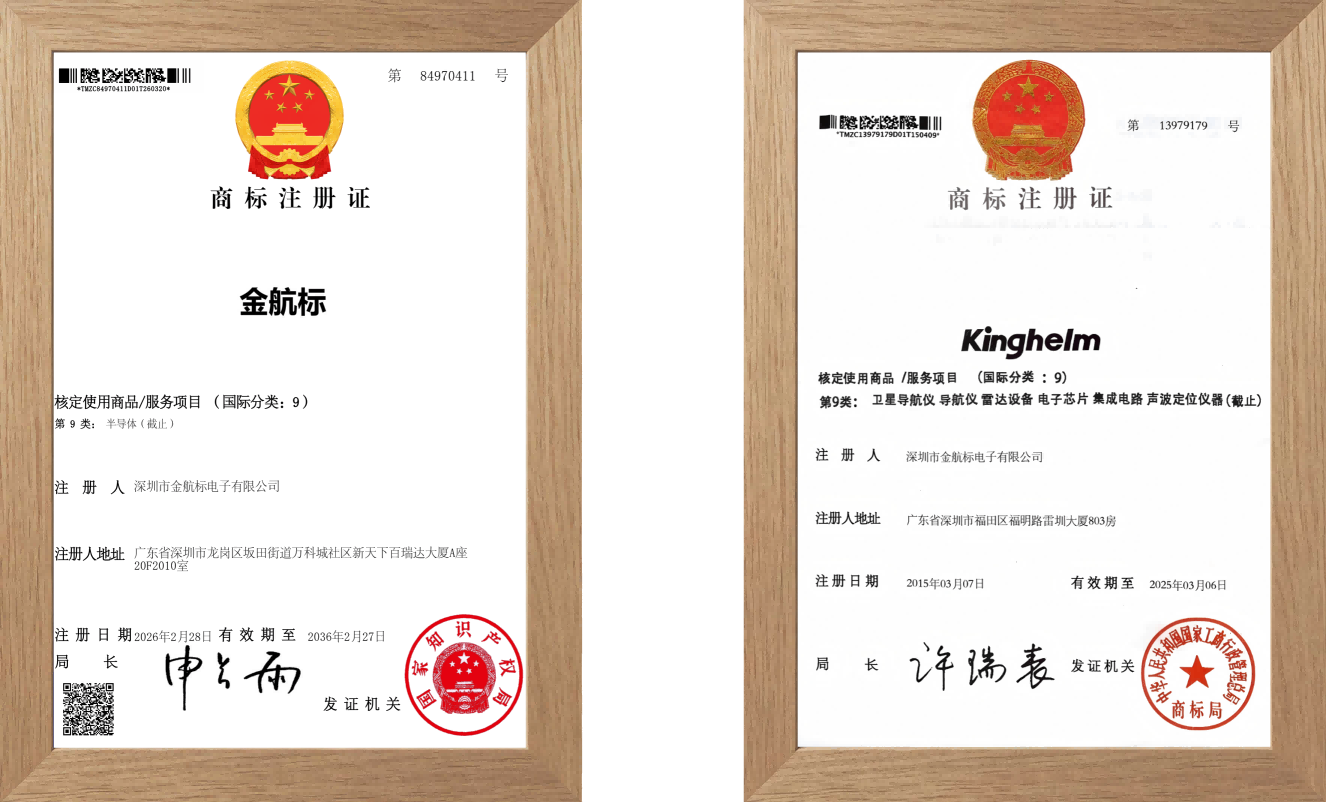
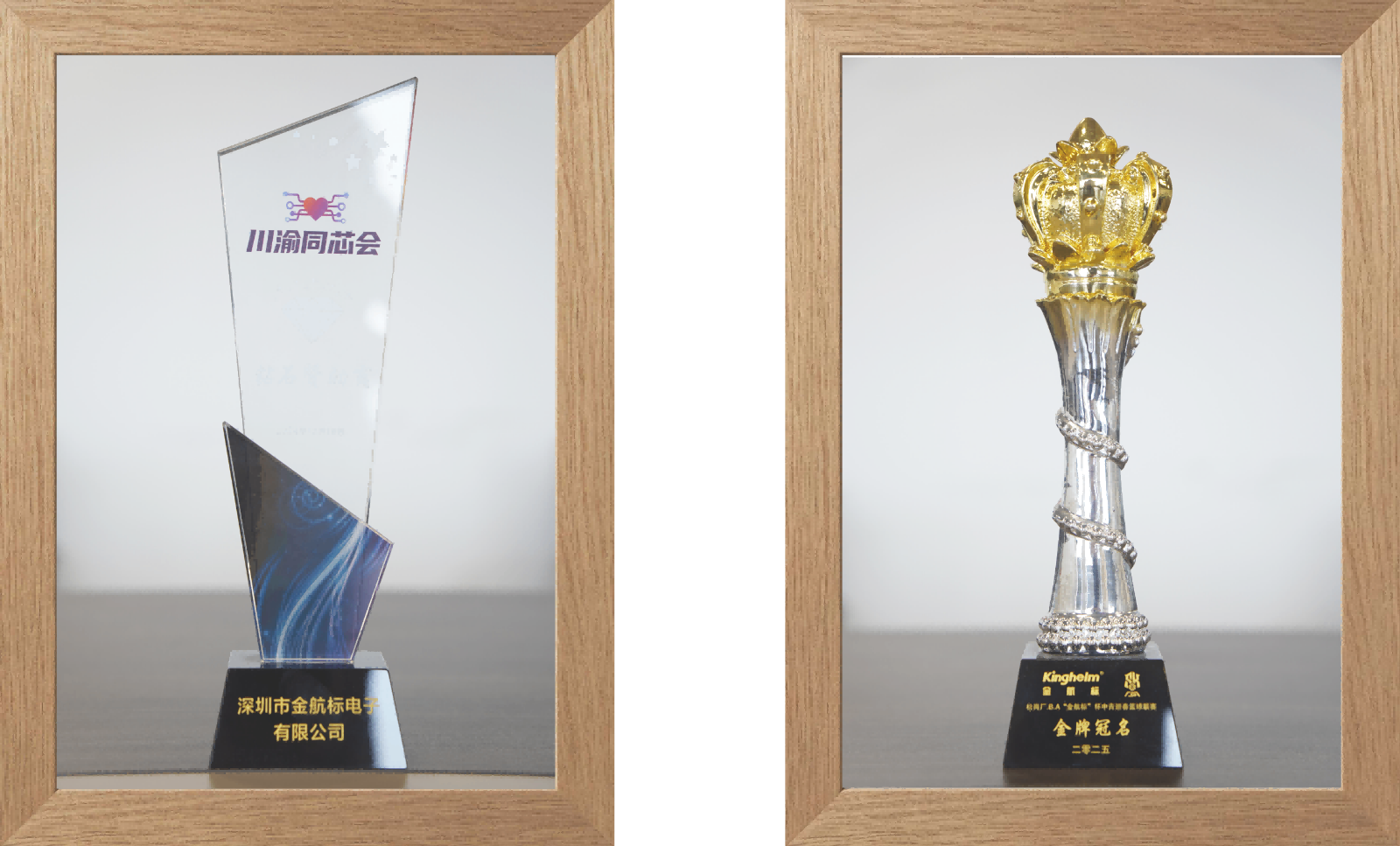
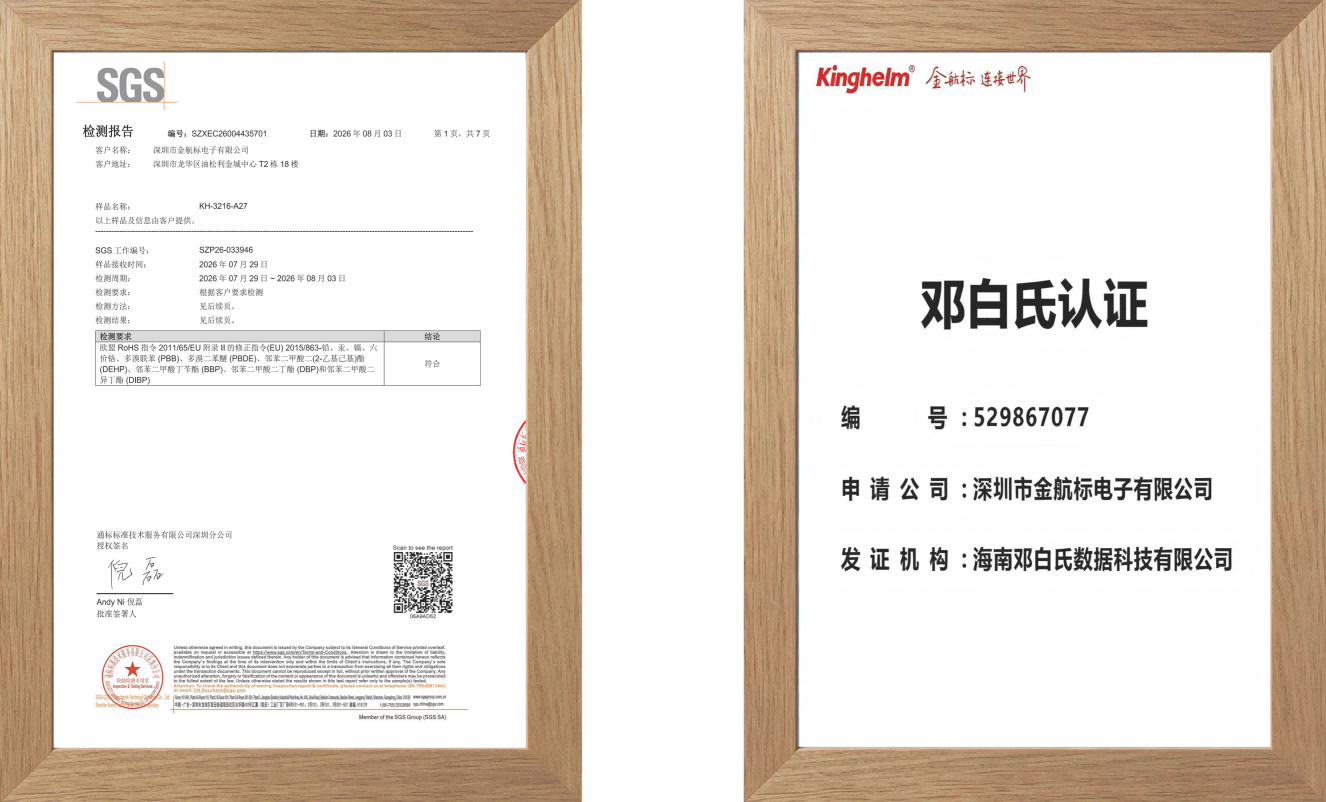
News & Information
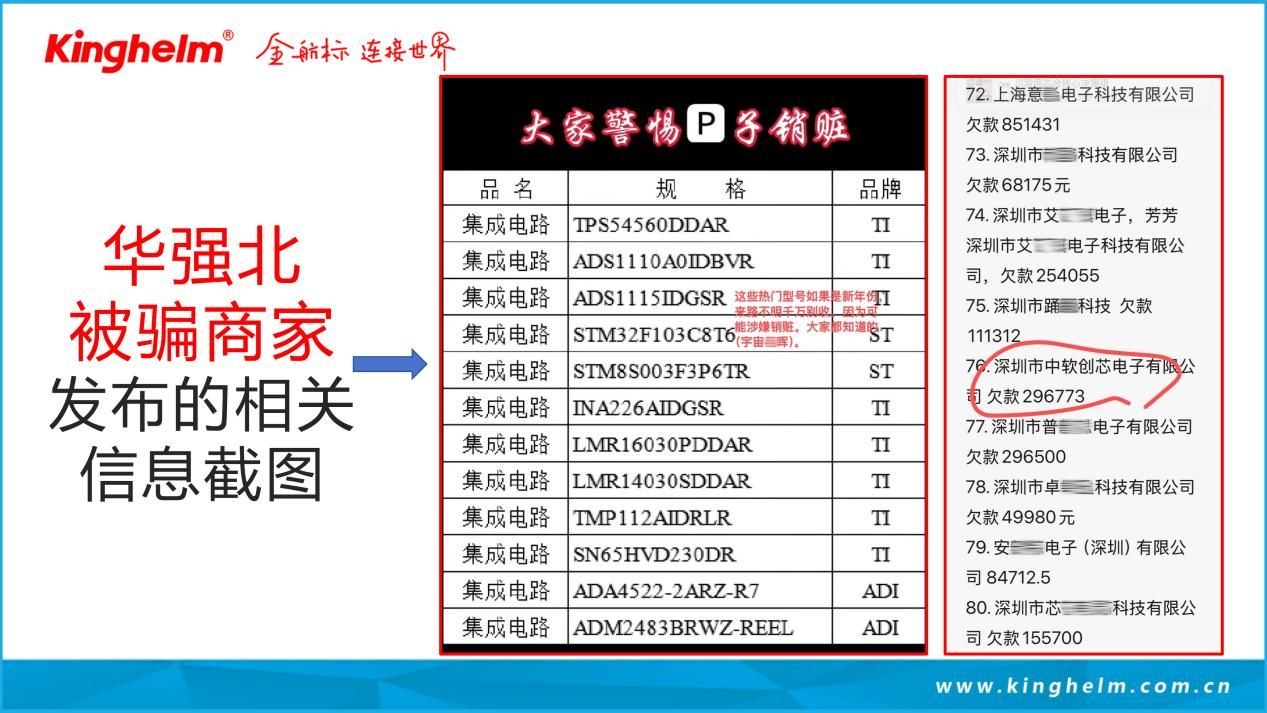
Unveiling the "Pig-Farming Scam" in Huaqiangbei Anti-Fraud
Screenshot of related information released by defrauded merchants in Huaqiangbei
Song Shiqiang of Huaqiangbei said earnestly, "You can't walk in the jianghu without getting cut. If you get cut, you get cut; after you get cut, you still have to keep walking!" Fraud is common in Huaqiangbei business. Our Huaqiangbei Mini Encyclopedia column has compiled this information in the hope of purifying Huaqiangbei's business environment, enabling practitioners to operate with integrity, helping consumers avoid being cheated, making buying and selling in Huaqiangbei reassuring, and making Huaqiangbei's overall business more prosperous. The "pig-farming scam" in Huaqiangbei electronic components has existed for many years, and several cases almost every year are reported. It uses the industry's credit-term rules: "pay small amounts on time in the early stage to build trust, then concentrate large-value goods fraud and run away." It is contract fraud with illegal possession as its purpose, specifically harvesting electronic component suppliers. Its targets are IC chips, passive components, and other spot goods. Often, the fraudulent company makes multiple suppliers fall victim, with involved amounts ranging from hundreds of thousands to tens of millions of yuan. A few months ago, a company called "Yuzhou*Hui" defrauded many Huaqiangbei merchants of tens of millions of yuan, and many of them were my friends. This time, the scammers packaged themselves as an SMT factory. When Kinghelm (www.kinghelm.net) and Slkor (www.slkoric.com) first entered the industry, we were also defrauded twice, with amounts of RMB 83,000 and RMB 256,000 respectively. The lessons were painful.
Photo taken at Chuangxin Cloud Electronics Market, New Trend Frontline, Huaqiangbei
Core Logic of the Huaqiangbei "Pig-Farming Scam":
1.Packaging the Entity (Setting the Stage)
Scammers first use fake or borrowed ID cards to register shell companies. They rent offices in office buildings around Huaqiangbei, do simple decoration, recruit purchasing salespeople, and look like a regular trading company. They claim their customers are terminal production factories and large foreign trade orders, and inquire everywhere in industry groups and spot goods circles for suppliers. Even the salespeople do not know that the boss is running a scam; the whole staff cooperates in the act.
Features: There is no real purchasing demand. From the beginning, the scammers prepare for "disappearing afterward and making tracing difficult."
2.Finding Pigs and Raising Pigs (Accumulating Credit, Laying Groundwork for Months)
Scammers prioritize shops or companies with hot parts and sufficient inventory, offer slightly higher than market prices, and "raise" multiple suppliers at the same time. They first place small orders with cash on delivery and transfer payment immediately upon receipt, never delaying. After getting the goods, the scammers immediately dump them below market price to cash out, actively taking small losses. The purpose is to buy trust: after continuous multiple transactions, suppliers see stable payment and growing orders, judge the customer to be a high-quality big customer, and many suppliers gradually relax risk control. Next, the scammers begin testing: they continue placing orders in batches with gradually increasing amounts, then apply for short-term credit terms (7 days, 15 days), citing factory payment cycles and financial processes, promising a small amount of credit first, and settling on time when due.
Features: The scammers' active losses are the cost of buying trust. All transactions are groundwork; the goal is the final large-value goods fraud.
3. "Killing the Pig" and Running Away (Concentrated Slaughter)
When the time is ripe, scammers often use the excuse that "a new project is going into production and a large order is needed, but funds are temporarily tight." They simultaneously place super-large orders with multiple suppliers and apply for extremely long credit terms. What they want are mostly common models and hot "internet-famous" chips in the market, which are easy to dump for cash. They request "deliver all goods first, agree on payment terms, and pay no deposit." Many suppliers, because of long-term timely payments before, are unwilling to lose a big customer and agree to ship. Once the goods are in hand, the scammers quickly dump chips and other components in the Huaqiangbei market at low prices to cash out. After cashing out: the office is emptied overnight, phone and WeChat are blocked, the company is deregistered or lost contact, suppliers cannot get payment, and the goods have already been sold.
Features: Behind large-volume orders, the entity is falsely registered, personnel are temporarily hired, and after the case, personnel disappear and assets are transferred in advance, making evidence collection and asset recovery difficult.
Delivery cart, one of the early "Four Treasures of Huaqiangbei" defined by Song Shiqiang!
Derivative Variants of the "Pig-Farming Scam":
1.Batch-amplified credit-term version: Do not suddenly place a huge order; instead, slowly increase the credit limit and keep pressing goods, and run away only after accumulating a large enough amount.
2.Mixed-order scam: Mix in a small amount of real terminal demand, mixing true and false orders to further lower suppliers' vigilance.
3.Joint disguise: Forge factory workshop photos, purchase contracts, and customer project materials, and even intentionally or unintentionally invite suppliers to visit (the visited site is temporarily rented).
Huaqiang Electronics World, photo by Kinghelm reporter (www.kinghelm.net)
Reasons for the High Incidence of the "Pig-Farming Scam":
Chips are easy to cash out + industry credit-term practices + lack of risk control among small merchants + low-cost packaging of shell companies by scammers + poor information sharing among suppliers + difficult post-event recovery. In addition, suppliers' information is not synchronized. Under the combined effect of these multiple factors, pig-farming goods fraud in Huaqiangbei repeatedly occurs.
Huaqiang Electronics World Shenzhen Store 3: One-Stop Electronic Procurement and Trading Market
Avoidance Guide for the "Pig-Farming Scam":
No credit terms for new customers; either cash before delivery or collect a deposit (not less than 30%).
For new companies, must verify the legal representative's real name, business risks, and litigation records, conduct on-site visits to verify the authenticity of operations, listen more to peer evaluations and trade references, and use bank review where conditions permit.
Multiple suppliers should exchange information; pay attention in industry WeChat and QQ groups to whether the same company is simultaneously inquiring with multiple suppliers for the same materials.
Be highly alert to customers who only take spot goods, only care about delivery speed, and do not care about product quality; customers who continuously buy at high prices; and customers who suddenly increase order volume and demand large credit terms.
For large orders, try to collect a deposit; for popular chips and high-value ICs, prioritize cash.
When accounts receivable are overdue, directly freeze the customer's new orders to avoid "shipping while they owe."
Shenzhen Huaqiang Small Loan Co., Ltd.
It is worth mentioning that the above points rely only on human prevention and will inevitably become lax over time. Therefore, many Huaqiangbei spot suppliers have chosen to use systems. For example, Longwei ERP's six recommended configurations turn the "pig-farming scam" into a management safeguard where "the system will not let it pass":
#
Control
Longwei ERP's Six Recommended Configurations
1
Customer Risk Tagging
Mismatch between registered capital / number of insured employees and purchase volume → Automatically flag the customer; no payment terms by default.
2
Credit Limit
Order amount exceeds remaining credit limit → System freezes the order; release requires approval.
3
Payment-Term Tiers
For new customers, the first 3 orders must be paid before shipment. Payment terms are unlocked progressively after on-time payments.
4
Abnormal Growth
A customer's monthly order value increases by more than 3× month over month → Mandatory risk-control review.
5
Price Alerts
Unit price deviates by ±20% from the market reference price, or falls below cost → Highlight in red and block the transaction.
6
Overdue Account Linkage
At T+1 after payment becomes overdue → Automatically freeze new orders; at T+30 → Escalate to collections.
Note: The data and materials in this article refer to authoritative reports and materials. If there is any infringement or inaccuracy, please contact us.
Huaqiangbei Anti-Fraud: Exposing the "Cash on Delivery Scam"
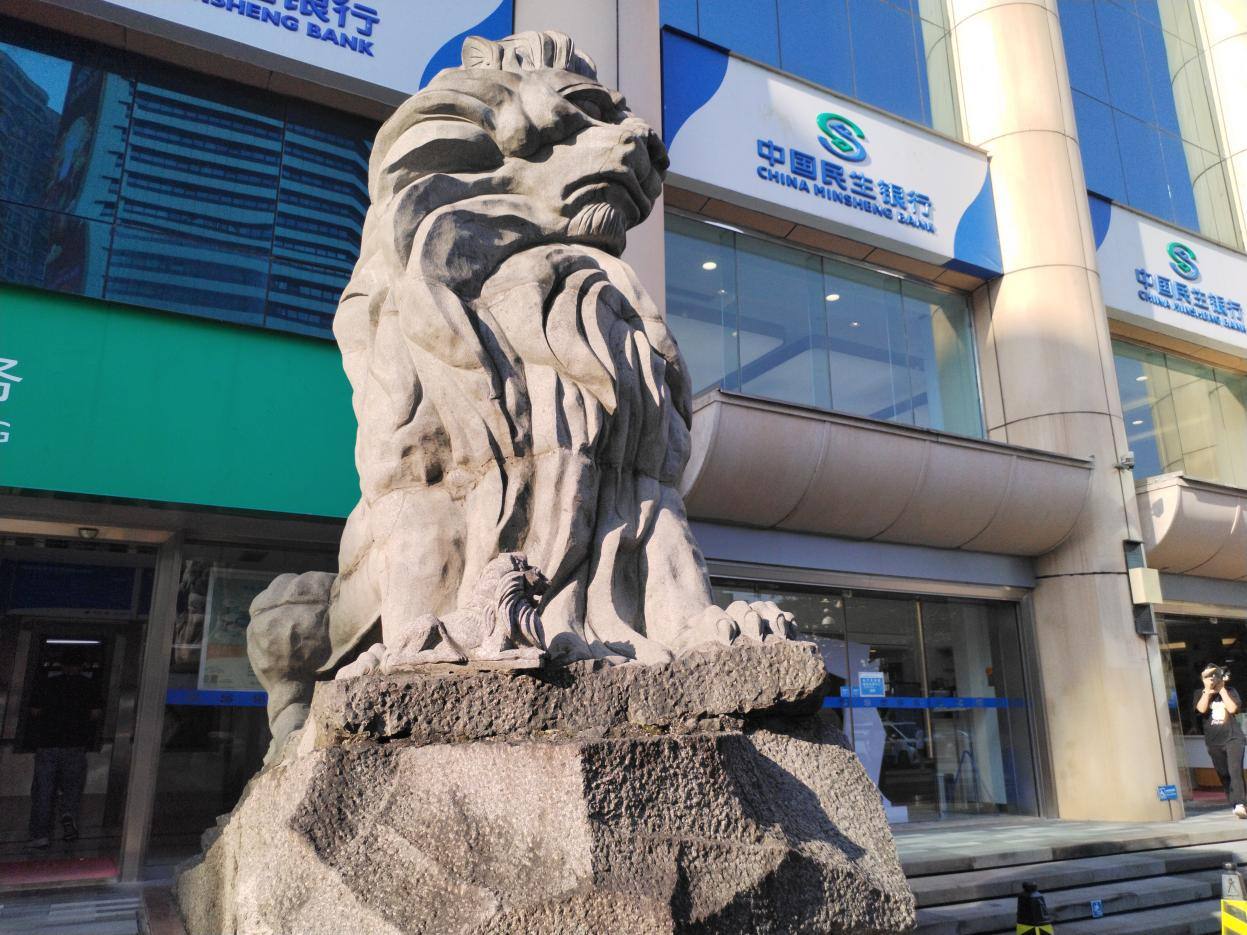
Many chip traders use this agreed phrase: "Delivery at the stone lions at Jiahe; cash on delivery."
Uncle Song of Huaqiangbei tells everyone, "If you often wander the jianghu, how can you avoid a knife?" Fraud happens from time to time when doing business in Huaqiangbei. Our Huaqiangbei Mini Encyclopedia column has compiled this information, hoping to purify the business environment of Huaqiangbei, so that practitioners can operate with integrity and be less likely to be scammed. The Huaqiangbei electronic components "cash on delivery scam" uses the transaction promise of "in-person inspection on delivery; if unsatisfied, do not accept it" to lower buyers' vigilance. It relies on the underlying industry loophole that electronic components "cannot be distinguished as original, ground, refurbished, or pulled parts with the naked eye or in a short time," combined with process loopholes in courier COD collection and private-account settlement. Then, through information isolation between buyer and seller and non-escrow payment channels that block post-transaction rights-protection paths, it achieves profit-making or payment-interception fraud.
The everyday bustle of Huaqiangbei, with endless braised pork trotter rice.
The mainstream routines and derivative variants of the Huaqiangbei electronic components "cash on delivery scam" include:
1. COD collection with visually similar inferior or counterfeit goods (the most common; small purchasers and small factory buyers frequently fall into this trap)
Scammers use social software and industry groups to send customers attractive real photos and original-packaging photos, quote prices significantly lower than the market price, and use scripts such as "original stock, COD supported, open-box inspection in person, reject directly if unsatisfied, no deposit required" to attract traffic. This is actually also one of the common transaction modes in Huaqiangbei. After buyers take the bait, scammers use courier COD collection. Because component "inspection" has two layers: appearance inspection, which couriers can do, and electrical parameter/function testing, which requires instruments and cannot be done in a courier scenario, scammers exploit the information gap between these two layers to substitute "appearance is fine" for "goods are qualified." Buyers generally can only quickly count and look at packaging, with no time to power up, test parameters, check silkscreen markings, or trace origin. Once they scan and pay, or transfer money to the delivery person or collection agent, it is equivalent to "accepting the goods as qualified." But after taking the goods back to the factory for SMT placement and machine installation, they find the goods do not match: refurbished or pulled parts, ground and re-marked codes, counterfeit goods, short quantities, ground and re-silkscreened parts, pulled old parts or mixed good and bad parts, aged inventory parts, domestically printed counterfeits passed off as imported genuine goods, and re-reeled refurbished parts. By then the COD funds have already been settled to the sender, the scammer, and the scammer directly disappears or refuses to acknowledge it and shifts blame, saying, "Signing for receipt means confirmation; burning out after installation is human damage and not covered by warranty." There are also cases where, due to a missing evidence chain, they falsely accuse the buyer of swapping the goods, then directly block the buyer. Couriers and platforms do not accept disputes over the electrical quality of components, and the buyer passively bears the loss. A few days ago, I saw that a female boss in Huaqiangbei bought a cut-down version of Xilinx FPGA products, with the price differing from the original by 10 times, and is still in litigation.
Variant: the courier COD and on-site delivery mixed-material scam. A reel of parts looks normal on the outside, or a small amount of bad parts is mixed in. A small sample check may pass, but after large-volume SMT placement, failures occur in a concentrated fashion, even burning PCB boards, amplifying customer losses.
The White Pigeon scam is similar to this scam: it artificially isolates the real buyer and the real supplier and manipulates things in the middle to defraud money. There is also a goods-fraud model: scammers impersonate buyers and trick suppliers into delivering goods to a designated location. After signing for receipt, they find an excuse to run away and resell the goods, leaving the supplier unpaid.
The "Golden Mushroom Head" in Huaqiangbei is also a high-frequency meeting place for goods.
2. Swapping scam (a two-way trap; suppliers are more likely to fall for it)
There are two situations. 1) Buyer-side swapping: the seller sends goods by COD; the buyer opens the box in front of the courier and quickly swaps them, preparing an empty reel or bad parts with the same appearance in advance, then says the goods do not match and requests rejection. When the courier returns the goods, the merchant finds that their goods have been swapped. The payment cannot be collected, and the genuine parts are gone. 2) Seller-side swapping: the sample is good, but the bulk goods are replaced with bad parts. After the buyer receives the goods, rights protection is difficult.
Reverse version: the buyer places an order, receives the goods, and then uses "needs testing" as an excuse to stall the seller, after which they request partial refunds or return swapped goods for various reasons.
3. Deposit plus COD balance composite scam
Scammers first collect a small deposit to lower the buyer's vigilance and promise that the balance will be paid by courier COD. When shipping, they directly send inferior parts, short-quantity parts, or empty reels. Even if the buyer rejects the package, the deposit is directly swallowed by the scammer.
4. Empty package or short-quantity scam (small-amount traffic bait)
Scammers lure orders with extremely low prices, promise COD, and make the package weight close to that of a genuine parts reel. The buyer signs and pays, opens the package, and finds an empty reel, a scrap reel, or only a few sample parts inside, with a serious quantity mismatch, but the scammer has already disappeared.
Tower B, Guoli Building, New Asia. Photo by a Kinghelm (www.kinghelm.net) reporter.
High-incidence reasons for the Huaqiangbei "cash on delivery scam":
1.Transaction model flaws (the core): COD requires full payment on the spot, which treats payment as acceptance of the goods and puts the quality verification obligation after payment. Many small and medium-sized traders are accustomed to inquiring and ordering online via social software, delivering offline or by courier, and collecting payment via private cards, without platform escrow, corporate accounts, or rigorous contracts. Scammers artificially separate buyers from real suppliers, defrauding both sides and intercepting payment.
2.Psychological loopholes on both sides: buyers mistakenly believe COD is zero-risk and relax risk control when encountering urgent orders or low-priced spot goods. Sellers, the real suppliers, want to close deals, accept the condition of "deliver first, collect payment later," trust intermediaries' promises, and do not verify directly with the end buyer.
3.Loose market format: scammers do not operate at fixed businesses in the market; they only borrow market merchants' information and business-license photos to commit fraud, making it difficult for market managers to identify them in advance. Many backpackers and temporary middlemen are highly mobile, collection accounts can be changed at any time, and real-name information is easily impersonated or rented, making tracing difficult.
4.Ambiguous industry terminology: there is no unified standard for pulled parts, pulled old parts, and similar terms. Sellers use oral expressions to create information gaps and pass off inferior goods as good ones.
5.Complex spot-goods speculation chain: ownership is difficult to clarify, materials change hands many times, and pulled parts, refurbished parts, loose new parts, and original parts are mixed in the circulation pool of the Huaqiangbei electronics market. The boundaries themselves are blurred, leaving room for scammers to "pass off inferior goods as good ones."
6.Relatively low cost of illegality: one set of scripts, multiple social accounts, and rented bank cards or collection accounts enable low-cost crime. After success, scammers quickly cancel accounts and change identities, and funds are easily split and laundered, making arrest and loss recovery difficult.
7.High threshold for evidence and rights protection: grinding chips and changing silkscreen text are professional counterfeiting, and ordinary people can hardly retain effective evidence. Chip authenticity and quality require professional testing, which is costly. Disputes are easily classified as commercial disputes and difficult to file as fraud cases.
Non-motor vehicle rectification, photographed on a street in Huaqiangbei.
Huaqiangbei "cash on delivery scam" avoidance guide:
The scam's COD arrangement treats "cannot power up and test on site" as an established rule, deliberately cuts off direct communication between buyer and seller, and a price far below market, scarce parts claimed to be in stock, and acceptance only of private-account or courier COD full payment are all high-risk signals. To prevent fraud, do the following:
1.For COD, try to agree on "allowing on-site inspection, supporting platform escrow, supporting corporate transfer, and agreeing that the buyer may bring simple testing tools for on-site testing," as well as "at the receiving site, only count quantity and check appearance, and pay only a small advance payment; seal and retain samples of the goods and take them back; pay the balance after power-on testing passes; if unqualified, return in full and the seller bears shipping." At the same time, agree on a clear testing period, generally 3 to 5 working days, complete power-on and function testing within the period, and keep test reports.
2.Prohibit intermediaries from isolating buyer and seller. Buyer and seller must directly verify identity and collection accounts by phone and video. Prefer fixed stalls, ask for real photos of the stall and business license, and prioritize platform escrow transactions and corporate transfers.
3.Record the entire receiving process. The buyer should video the unpacking, counting, silkscreen, appearance, and sealing and packing of samples. Individually sealed samples should be labeled and confirmed by both buyer and seller, because prevention is far more important than post-event rights protection.
4.If defective goods appear, such as ground silkscreen, changed codes, refurbished goods passed off as original, or pulled old mixed materials passed off as tested good products, the buyer should immediately send photo, text, and video evidence and first negotiate with the seller. Do not delete chat records, and do not make a second payment directly after private negotiation. If negotiation fails, the buyer should preserve evidence and complain to 12315 and the market management office. If the amount is large, the other party disappears, or there is deliberate counterfeiting and payment interception, organize a full set of evidence and report to the police.
Note: The data and materials in this article refer to authoritative reports and materials. If there is any infringement or inaccuracy, please contact us.
Musk warns that more than 200 neocloud service providers may face bankruptcy and an industry consolidation wave
Articles from Kinghelm and Slkor’s "Huaqiangpedia" column have been featured on Elecfans!
International Tech News:
Musk warned that the financing environment for artificial intelligence (AI) data centers is tightening rapidly, and more than 200 new-type cloud service providers (neoclouds) may face bankruptcy and an industry consolidation wave.
Intel has agreed to acquire Israeli startup Classiq Technologies Ltd. to advance its quantum computing strategy.
Texas Instruments (TI): semiconductor content per humanoid robot is about US$500–1,000, with mass production expected to begin in 2027.
Emerging non-volatile memories represented by MRAM, PCRAM, ReRAM and FRAM have become core underlying support for adapting to next-generation AI computing power and reconstructing new computing architectures.
"Huaqiangpedia: Which Industry-Shaping Companies and Figures Came Out of Huaqiangbei?" and "Huaqiangpedia: Exposing the ‘Cash on Delivery Scam’ in Huaqiangbei Anti-Fraud," produced by Kinghelm (www.kinghelm.net) and Slkor (www.slkoric.com), have been published on Elecfans!
Arm announced an update to its new-generation Mali GPU architecture, a unified software scheduling solution for automotive, mobile and embedded terminals.
Domestic Tech News:
ZTE released its 2026 financial report: first-three-quarter revenue was RMB116.8 billion, up 16% year on year, with computing power revenue accounting for 38%.
Mahexin Technology, under Li Auto, signed a first-round financing agreement worth RMB1.625 billion, with a maximum post-money valuation of RMB17.1 billion.
XHEART Xinxin Hangtu completed a strategic financing round of nearly RMB5 billion.
China’s 2026 Excellence-level Smart Factory project list was publicly announced, and Lianxin’s "Digital-Intelligent Integrated Circuit Manufacturing Smart Factory" was officially selected.
The list of Guangdong Province’s first batch of 211 digital economy innovative enterprises was publicly announced, with 32 Shenzhen enterprises selected.
According to statistics, the AI GPGPU market for Chinese enterprises increased from RMB1.9 billion in 2021 to RMB11.8 billion in 2025, with a compound annual growth rate of 58.1%.
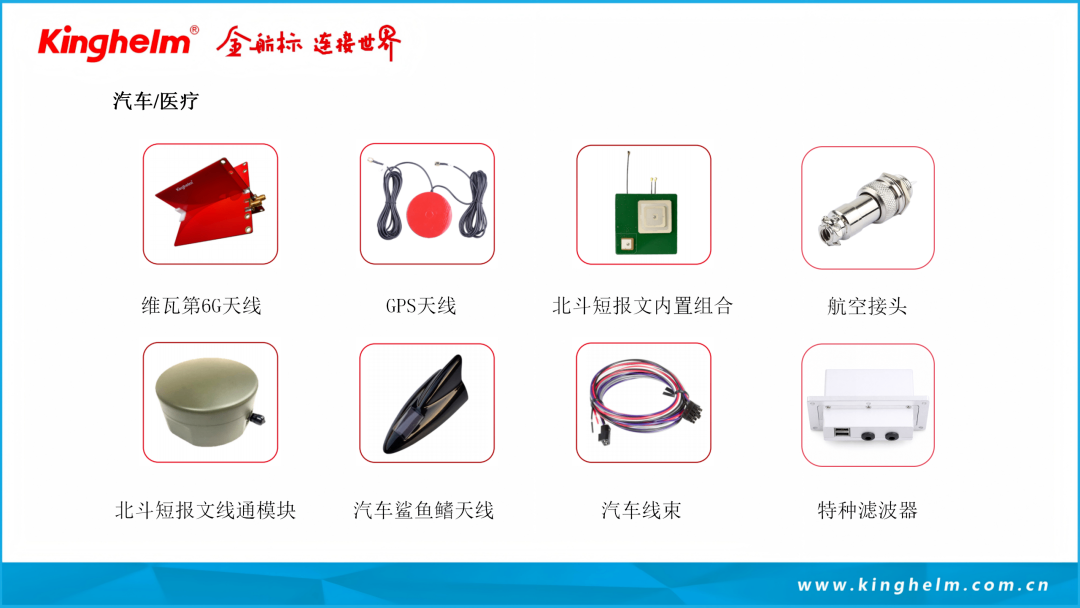
Kinghelm products are widely used in automotive and medical fields.
Disclaimer: The information presented above was compiled from publically available web sources and does not necessarily reflect our company's beliefs or positions. If you believe any of the content infringes on your rights or you have any issues, please contact us and we will respond swiftly.
Musk warns that more than 200 neocloud service providers may face bankruptcy and an industry consolidation wave
2026-10-27
Articles from Kinghelm and Slkor’s "Huaqiangpedia" column have been featured on Elecfans!
International Tech News:
Musk warned that the financing environment for artificial intelligence (AI) data centers is tightening rapidly, and more than 200 new-type cloud service providers (neoclouds) may face bankruptcy and an industry consolidation wave.
Intel has agreed to acquire Israeli startup Classiq Technologies Ltd. to advance its quantum computing strategy.
Texas Instruments (TI): semiconductor content per humanoid robot is about US$500–1,000, with mass production expected to begin in 2027.
Emerging non-volatile memories represented by MRAM, PCRAM, ReRAM and FRAM have become core underlying support for adapting to next-generation AI computing power and reconstructing new computing architectures.
"Huaqiangpedia: Which Industry-Shaping Companies and Figures Came Out of Huaqiangbei?" and "Huaqiangpedia: Exposing the ‘Cash on Delivery Scam’ in Huaqiangbei Anti-Fraud," produced by Kinghelm (www.kinghelm.net) and Slkor (www.slkoric.com), have been published on Elecfans!
Arm announced an update to its new-generation Mali GPU architecture, a unified software scheduling solution for automotive, mobile and embedded terminals.
Domestic Tech News:
ZTE released its 2026 financial report: first-three-quarter revenue was RMB116.8 billion, up 16% year on year, with computing power revenue accounting for 38%.
Mahexin Technology, under Li Auto, signed a first-round financing agreement worth RMB1.625 billion, with a maximum post-money valuation of RMB17.1 billion.
XHEART Xinxin Hangtu completed a strategic financing round of nearly RMB5 billion.
China’s 2026 Excellence-level Smart Factory project list was publicly announced, and Lianxin’s "Digital-Intelligent Integrated Circuit Manufacturing Smart Factory" was officially selected.
The list of Guangdong Province’s first batch of 211 digital economy innovative enterprises was publicly announced, with 32 Shenzhen enterprises selected.
According to statistics, the AI GPGPU market for Chinese enterprises increased from RMB1.9 billion in 2021 to RMB11.8 billion in 2025, with a compound annual growth rate of 58.1%.
Kinghelm products are widely used in automotive and medical fields.
Disclaimer: The information presented above was compiled from publically available web sources and does not necessarily reflect our company's beliefs or positions. If you believe any of the content infringes on your rights or you have any issues, please contact us and we will respond swiftly.
iFLYTEK launches the Xingfan WinWork digital employee platform
2026-10-26
Slkor S9012 is a PNP bipolar transistor
International Tech News:
Due to factors such as the capital market environment, SK hynix has suspended the IPO plan of its overseas subsidiary Solidigm.
Intel's Fab 62 wafer fab has entered the construction and equipment installation stage and is expected to begin operations in early 2028.
DigiKey will invest USD 100 million over the next 18 months to expand its distribution center to meet a 50% business growth demand this year.
Micron Technology announced that its G11 3D NAND flash memory has surpassed 400 layers and will enter mass production in the second half of 2027.
Mitsubishi Materials plans to significantly increase production capacity for thermistors used in optical communication equipment; by November 2027, monthly capacity will be raised to 12 million units.
Intel will collaborate with AMD to simplify x86 CPU AI development for PyTorch.
Domestic Tech News:
Huatian Technology plans to invest RMB 3 billion to build Phase II, Stage 2 of its Nanjing advanced packaging and testing industrial base.
The 33rd APEC Economic Leaders' Meeting in 2026 will be held in Shenzhen from November 18 to 19, 2026.
Slkor's (www.slkoric.com) Chinese official website mobile app has been launched; after downloading, users can open it directly to conveniently access product information and services.
iFLYTEK has launched Xingfan WinWork and has created more than 80 types of professional digital employees, covering risk control, contract review, procurement sourcing, material substitution selection, and other work.
The R&D and production base project of "Dingtanxin", a local brand under Italy's Tenap Group, has settled in Suzhou.
Rumors that NVIDIA's RTX 50 series has been discontinued have disrupted the Huaqiangbei market; since September, prices of its high-end consumer graphics cards have continued to jump.
Disclaimer: The information presented above was compiled from publically available web sources and does not necessarily reflect our company's beliefs or positions. If you believe any of the content infringes on your rights or you have any issues, please contact us and we will respond swiftly.
In 2026, Shenzhen becomes China's "third APEC city"
2026-10-24
Logo of the 2026 Shenzhen APEC "China Year"
International Tech News:
NVIDIA announced cooperation with six supply chain partners—Amkor Technology, Ibiden, KYEC, Samsung Electro-Mechanics, SPIL, and Unimicron—to expand critical manufacturing capacity globally.
Apple's first foldable phone, iPhone Duo, will go on sale on October 23, with a base price of more than USD 2,000.
Volvo Cars plans to lay off about 2,500 employees globally, including about 2,000 in Sweden.
AI cloud service provider Modal plans to introduce NVIDIA's next-generation Vera CPU to run AI Agent-related workloads.
Kinghelm (www.kinghelm.net) products such as KH-SMA-K513-G, KH-IPEX-K501-29, KH-TYPE-C-16P, KH-3216-A35, and KH-3216-A27 are selling well both online and offline! Popular product search keywords: multi-function switch, illuminated switch, DIP switch, toggle switch, earphone jack, DC jack, FPC connector, USB connector, waterproof USB, detection switch, limit switch, encoder switch, tactile button, Type female socket, Type-C interface, joystick switch, five-key switch, thumbwheel switch, SMD detection switch, vertical detection switch, through-hole detection switch, SMD encoder switch.
South Korea's semiconductor exports from October 1 to 20, 2026, reached USD 27.5 billion, surging 222.5% year on year.
Domestic Tech News:
In 2026, Shenzhen becomes China's "third APEC city". On October 22, Huaqiangbei Zhifangzhou, as a sci-tech innovation exchange window, welcomed four groups of visitors, leveraging the opportunities of the 2026 Shenzhen APEC.
The "2026 China Automotive Chip Innovation Achievements Recommendation List" was released, and Yutai Micro's automotive TSN switching chip YT9911CL was successfully selected as a recommended achievement in the communications category.
Cambricon achieved operating revenue of RMB 3.531 billion in Q3 2026, up 104.47% year on year; net profit attributable to parent was RMB 1.404 billion, up 147.74% year on year.
Beijing Dabo Nonferrous Metal Solder Co., Ltd. will build a semiconductor bonding materials intelligent manufacturing base project in Changzhou West Taihu.
CMOS image sensor supplier SmartSens founder Dr. Xu Chen was honored with the 2025 TEEC Entrepreneurship Achievement Award.
The 2026 Ceva Edge Technology Seminar will be held on November 5 at Hilton Shanghai Zhangjiang, and registration is now open.
Kinghelm pogo pins and spring contacts
Disclaimer: The information presented above was compiled from publically available web sources and does not necessarily reflect our company's beliefs or positions. If you believe any of the content infringes on your rights or you have any issues, please contact us and we will respond swiftly.
Song Shiqiang Accepts RTHK Exclusive Interview, Discussing the Path for Chinese Technology Brands Going Global Amid Shenzhen APEC Opportunities
2026-10-23
Song Shiqiang interviewed by LAM Hon-shan, Principal Reporter of RTHK
International Tech News:
Renesas Electronics released its flagship 32-bit microcontrollers (MCUs), the RX74M and RX74N.
Japanese media reported that Canon plans to increase the production capacity of lithography machines for semiconductor back-end processes by 50% by 2029 compared with 2026.
Texas Instruments reported third-quarter 2026 revenue of USD 6.06 billion, up 28% year on year.
Samsung and SK Hynix plan to produce NAND Flash chips with more than 200 layers at their factories in China.
Driven by strong chip demand, Japan's exports in September amounted to JPY 10.97 trillion, up 16.7% year on year.
The registered capital of Intel Semiconductor (Dalian) increased from USD 20 million to USD 816 million, an increase of 3,980%.
Domestic Tech News:
The world's first Primo Domingo® gas-phase high-selectivity etching equipment from AMEC has been successfully delivered.
Data show that in the first three quarters of 2026, the output value of Shanghai's integrated circuit manufacturing industry grew by 23.4%, and the output value of its artificial intelligence manufacturing industry grew by 24.8%.
Mr. Song Shiqiang gave an exclusive interview to LAM Hon-shan, Principal Reporter of RTHK, at the headquarters of Kinghelm/Slkor (www.slkoric.com), discussing how Chinese technology enterprises can seize the opportunity of the APEC meeting to be held in Shenzhen, tell Chinese brand stories well, and promote their products to the international market.
Xiyue Semiconductor power semiconductor project has been signed and settled in Hohhot, with an estimated annual output value of 200 million to 250 million yuan, creating about 140 jobs.
TrendForce estimates that server CPU shipments will grow 31% year on year in 2026, and shipment volume is expected to grow by more than 40% in 2027.
Weiyi Zhizao and Dongshan Precision will be listed on the Hong Kong Stock Exchange on October 28.
Disclaimer: The information presented above was compiled from publically available web sources and does not necessarily reflect our company's beliefs or positions. If you believe any of the content infringes on your rights or you have any issues, please contact us and we will respond swiftly.
Kinghelm Product Hot Search Keywords Revealed
2026-10-22
Kinghelm (www.kinghelm.com.cn) products connect the world!
International Tech News:
Samsung System LSI has decided to adopt a 2nm process to manufacture the external 5G baseband M2800, with development expected to be completed in 2027.
Chip company Groq is evaluating the introduction of 3D stacked DRAM packaging technology in its next-generation chips.
Intel's Fab 62 is currently installing equipment and is expected to begin operations in early 2028.
Terafab, a chip manufacturing joint venture between SpaceX and Tesla, plans to achieve mass production in Q3 2028.
Kinghelm (www.kinghelm.net) products including KH-IPEX-K501-29, KH-6X6X5H-STM, KH-6X6X5H-Z2J, KH-6X6X6H-STM, KH-VH-PT3.96, KH-SMA-P-8029, and KH-3216-H0209 are selling well both online and offline! Product hot search keywords: Type-C, SMA, IPEX, MCX, HDMI connectors, automotive wiring harnesses, adapter cables, pin headers, terminals, RF cables, antennas, GPS antennas, RF coaxial connectors, WiFi antennas, BeiDou antennas, built-in antennas, 4G antennas, ceramic antennas, RF connectors, electronic components, sensors, millimeter wave, tactile switches, detector switches, toggle switches, pushbutton switches, micro switches.
ESWIN Computing and the internationally renowned RISC-V processor IP company SiFive have officially signed a Golden Partner Alliance memorandum.
Domestic Tech News:
Honor Smartwatch 6 Pro has been officially released, and its 1.5-inch wearable display has achieved mass production and shipment.
The GT1500 series UWB chips from Jieyang Micro have passed the stringent FiRa Core 4.0 certification of the international standards organization FiRa® Consortium.
Samsung Electronics plans to upgrade its Xi'an factory in China, with the goal of switching its production line to 286-layer NAND flash by the end of 2026.
Xiyue Semiconductor's ultra-high-voltage power semiconductor device production project, with an investment of RMB 558 million, has landed in Hohhot.
Changsha Chixin Semiconductor Technology Co., Ltd. has secured exclusive UWB chip supply rights for the Samsung Galaxy SmartTag 3, with expected annual shipments in the tens of millions of pcs.
In September 2026, domestic market mobile phone shipments reached 21.856 million units, down 21.7% year on year, including 19.234 million 5G phones, down 20.2% year on year, accounting for 88.0% of mobile phone shipments during the same period.
Kinghelm plug-in terminal block
Disclaimer: The information presented above was compiled from publically available web sources and does not necessarily reflect our company's beliefs or positions. If you believe any of the content infringes on your rights or you have any issues, please contact us and we will respond swiftly.
Kinghelm Releases "A Comprehensive Summary of the Optical Communication Upstream and Downstream Industry Chain and Analysis of Domestic and Foreign Manufacturers (Part 2)"
2026-09-15
Kinghelm General Manager Song Shiqiang at 2026 Shanghai Munich Electronics Show W5.317
In 2026, Kinghelm (www.kinghelm.net) officially entered the optical communication field. General Manager Mr. Song Shiqiang emphasized: "Optical communication covers the entire industry chain of optical chips, optical components, optical modules, optical fibers and cables, and system equipment. It is a core rigid-demand track for major projects such as 5G/6G data centers and the East-to-West Computing Resource Transfer Project. The characteristics of dual-driven technology iteration and market demand are very obvious, because its core demand has rapidly shifted from traditional operator public network construction to emerging scenarios such as AI data center interconnection, industrial optical private networks, and automotive optical interconnection, deeply bound with new demands such as computing power networks and AI large models. Advanced packaging and silicon photonics integration technologies have become core breakthrough directions. In 2026, China has listed high-end optoelectronic chips, CPO co-packaged optics, all-optical switching and other core technologies as key research directions. The space for domestic substitution in optical communication is broad. Kinghelm (www.kinghelm.com.cn), as a technology original manufacturer and an important participant in 'domestic substitution,' enters the optical communication field to open up new development tracks. It will aim at the 'heart' of the optical communication industry chain, which is the core key link of domestic substitution, covering transmitter/receiver chips and indium phosphide-based high-speed laser chips."
Kinghelm Chief Engineer Mr. Qin Xianghong at work
In view of this, Kinghelm Chief Engineer Qin Xianghong, combining years of deep industry research experience and drawing on the research achievements of existing industry pioneers and peers, follows the five main lines of the optical communication industry chain—optical chips, optical components, optical modules, optical fibers and cables, and transmission equipment—and has summarized and compiled the "Comprehensive Summary of the Entire Optical Communication Industry Chain and Analysis of Domestic and International Manufacturers." It will be developed from four aspects: 1. Overview of Optical Communication - Basic Principles; 2. Optical Communication Industry Chain - Analysis of Upstream, Midstream, and Downstream Industry Chains; 3. Key Companies in China's Optical Communication Industry Chain; 4. Outlook for the Optical Communication Industry. This initiative aims to promote information communication, resource sharing, and knowledge co-construction across the entire upstream, midstream, and downstream optical communication industry chain, achieve industry chain optimization, integration, and collaborative innovation, and thereby enhance the global industrial discourse power of Chinese enterprises.
Kinghelm "Comprehensive Summary of the Entire Optical Communication Industry Chain and Analysis of Domestic and International Manufacturers"
Continued from Kinghelm Chief Engineer Qin Xianghong—"A Comprehensive Summary of the Optical Communication Upstream and Downstream Industry Chain and Analysis of Domestic and Foreign Manufacturers (Part 1)":
III. Key Companies in China's Optical Communication Industry Chain
(I) Optical Chips and Electrical Chips
Optical chip application scenarios
Optical chips, scientifically known as optoelectronic chips or photonic integrated circuits (PICs), use semiconductor processes to integrate functions such as light emission, reception, modulation, multiplexing/demultiplexing, and amplification on a single chip. By function, they are divided into: laser chips (electrical → optical: VCSEL/DFB/EML), detector chips (optical → electrical: PIN/APD), modulator chips (signal loading), and PLC chips (passive optical circuits). Major manufacturers include Lumentum, Broadcom, Mitsubishi Electric, Sumitomo Electric, Coherent, Yuanjie Technology, Changguang Huaxin, Shijia Photons, Accelink Technologies, HGTECH, Hisense Broadband, Huawei HiSilicon, AAOI, etc.
China's Yuanjie Technology ranks among the top global laser chip market players
Yuanjie Technology:A leading optical chip supplier in China with collaborative expansion in both the "telecom market + datacom market." The company's main products are optical chips, including 2.5G, 10G, 25G, 50G, 100G, 200G and higher-speed DFB and EML laser series products, as well as 50mW, 70mW, 100mW, 150mW and other high-power silicon photonics light source products. The company's performance has improved rapidly, with net profit of 51.385 million yuan in the first three quarters of 2025, a year-on-year increase of 627.62%.
Changguang Huaxin:Focused on the R&D, design, and manufacturing of semiconductor laser chips. It is one of the few companies that develops and mass-produces high-power semiconductor laser chips. It has built an IDM full-process platform covering chip design, epitaxial growth, wafer processing (lithography), cleavage/coating, packaging and testing, and fiber coupling. Today, Changguang Huaxin has built China's only and the world's second 6-inch GaAs high-power semiconductor laser chip production line, occupying an advantageous competitive position in the industry track.
Shijia Photons:A leading optoelectronic core chip supplier in China. The company masters key technologies for independent chips, breaking through from a single PLC optical splitter chip to passive chips and active chips, and further expanding from wafer manufacturing and chip processing to packaging and testing. It now possesses a full-process capability from design to manufacturing, and from testing to packaging, basically forming a complete optical chip industry chain.
Application scenarios of DSP chips in electrical chips
Electrical chips are mainly imported from overseas, including four core chips: DSP, CDR, Driver, and TIA. Major manufacturers include Marvell, Credo, Broadcom, Huawei HiSilicon, Chaoran Semiconductor, Youxun Shares, etc.
Youxun Shares:A leading enterprise in China's optical communication front-end transceiver electrical chip field. The company clearly positions its business as an electrical chip company. Its products (such as laser drivers, transimpedance amplifiers, etc.) need to be used in conjunction with optical chips and are the "nerve center" for achieving optoelectronic signal conversion in optical modules. In terms of electrical chip business development, Youxun Shares can provide full-application-scenario, full-series optical communication electrical chip solutions, and ranks first in China and second in the world in market share for products at 10Gbps and below. Currently, the company's 25G PON electrical chips have achieved batch delivery, 50G PON electrical chips have entered the sample testing stage, and it is focusing on R&D of electrical chip products for cutting-edge fields such as 400G-800G data centers and FMCW LiDAR, in order to seize market opportunities brought by AI computing power and autonomous driving.
(II) Optical Components
Optical components are the product and core content of optical device packaging
Optical components include ceramic sleeves/ferrules, optical transceiver interface components, etc. Major manufacturers include T&S Communications, AFR Optics, T&S Communication, Tengjing Technology, etc.
AFR Optics:With a series of high-performance optical devices such as optical isolators, dense fiber array connectors, MEMS VOA optical switches, polarization beam splitters/combiners, couplers, wavelength division multiplexers, and lithium niobate modulators, it has successfully entered the global market. Its products are exported to more than 40 countries and regions and are widely used in core upstream fields of the industry chain such as fiber lasers, optical communications, and data centers.
Tengjing Technology:A high-tech enterprise specializing in the R&D, production and sales of various precision optical components, fiber optic devices and optical test instruments. Its products are mainly applied in fields such as optical communication, fiber laser, scientific research, biomedicine and semiconductor equipment. The company has made in-depth layout in the cutting-edge field of AI computing power optical interconnection, and has become an important supplier of key devices for OCS optical switches.
(III) Optical Devices
Optical devices: Evolving toward higher speeds and lower power consumption
According to whether a power source is needed, optical devices are divided into active devices and passive devices. Active optical devices mainly include laser chips (such as FP, DFB, VCSEL), detector chips (such as PIN, APD), optical amplifiers, optical modulators (such as DML, EML chips), and optical transceiver sub-modules (TOSA, ROSA, BOSA), etc. Passive optical devices mainly include optical isolators, optical connectors, optical switches, optical splitters/couplers, wavelength division multiplexers (WDM/AWG), optical attenuators, FA fiber arrays, etc. Major manufacturers include T&S Communications, Accelink Technologies, HGTECH, T&S Communication, Broadex Technologies, Coherent, Lumentum, etc.
T&S Communications:The company's main products consist of two major segments: active optical devices and passive optical devices. Active devices mainly include high-speed optical engines, TO-CAN/BOX packaged devices and other core components of optical modules. Passive devices cover ceramic sleeves, fiber array units (FAU), isolators, and connectors, etc. From 2020 to 2024, T&S Communications' revenue compound annual growth rate was close to 40%, and net profit grew by nearly 50% annually. The key lies in focusing on the core link of optical devices. In the first half of 2025, T&S Communications' active optical device business experienced explosive growth, achieving revenue of 1.566 billion yuan, a year-on-year increase of 90.98%.
T&S Communication:Focused on the R&D, production, and sales of passive optical devices. Core products include MPO/MTP high-density fiber connectors, MT/ceramic ferrules, flexible fiber routing boards, wavelength division multiplexing devices, etc. Products are mainly used in AI computing power data centers, cloud computing clusters, and telecom transmission networks, with a small layout in optical sensing business. The company's main business is centered on datacom high-density optical interconnection products, with the vast majority of revenue coming from the optical device business. Relying on self-developed and self-produced MT ferrules, it achieves vertical integration of key components. Products are indirectly supplied to overseas leading cloud vendors and AI computing clusters through cabling manufacturers. Export business accounts for a relatively high proportion of revenue, making it a relatively focused passive optical connection enterprise in the A-share market.
Broadex Technologies:Main business is the R&D, production, and sales of integrated optoelectronic devices in the optical communication field. Main products include PLC optical splitters, PON optical modules, fiber arrays, dense wavelength division multiplexing devices, wireless bearer network optical transceiver modules, data center optical transceiver modules, active optical cables (AOC), and high-speed copper cables (DAC, ACC). The company currently provides high-quality optical signal power and wavelength management devices and high-speed optoelectronic transceiver modules for the globally rapidly developing optical fiber communication networks and Internet Data Center (IDC) markets. Among them, optical splitters and dense wavelength division multiplexing (DWDM) devices occupy leading global market shares.
(IV) Optical Modules
Optical modules play a core role
Optical modules are composed of optical devices, optical interfaces, and functional circuits. They play a core role in enabling high-speed, high-reliability, and low-latency data transmission in increasingly complex datacom and telecom networks, and are widely used in telecommunications, internet, radio and television, aerospace, and other fields. Chinese enterprises occupy world dominance in the global optical module manufacturing and packaging link.
Zhongji Innolight:The company currently ranks first in global optical module market share. Its products are widely used in cloud computing data centers, data communications, 5G wireless networks, telecom transmission and fixed network access, etc., and it is committed to promoting the development of optical modules toward high speed, miniaturization, low power consumption, and low cost. Currently, the company's product portfolio covers 200G to 1.6T high-speed optical modules, as well as 5G fronthaul/midhaul/backhaul optical modules, transmission network optical modules, and FTTX optical devices and other overall solutions. In the second half of 2025, while 800G optical modules significantly increased in volume, more customers began deploying 1.6T products. It is expected that 1.6T optical module shipments will usher in significant volume growth in 2026.
Eoptolink:The company's products mainly serve data centers, AI computing clusters, 5G/6G telecom networks, and other fields. In optical module technology, the company covers traditional pluggable optical modules, linear drive (LPO), near-package optics (NPO), and co-packaged optics (CPO) and other advanced interconnect forms, and possesses core technologies and capabilities such as optical engines. Its product system includes 400G, 800G, and 1.6T high-speed optical modules based on various solutions such as VCSEL/EML, silicon photonics, and thin-film lithium niobate, as well as 400G/800G ZR/ZR+ coherent optical modules and 800G/400G optical modules based on LPO solutions. With leading technology and products, the company has entered the supply chain systems of major global cloud computing vendors (such as Amazon, Meta, etc.) and communication equipment vendors, and is one of the core suppliers in the optical communication industry.
Accelink Technologies:The company boasts vertical integration capabilities covering optical chips, devices, modules and subsystems. In the optical module business, its products cover all scenarios of transmission, data and access. In the first three quarters of 2025, it achieved an operating revenue of 532 billion yuan, representing a year-on-year increase of 58.65%. According to market rankings, Accelink Technologies ranked 5th among global optical module manufacturers and 4th in the market share of data communication optical modules in 2024. At present, the company has realized mass delivery of 800G optical modules, and is actively deploying next-generation technologies such as 1.6T silicon optical modules and CPO (co-packaged optics) to consolidate its high-growth advantages in the AI data center sector.
V) Optical Fibers and Cables
Core leaders in optical fibers and cables: YOFC, Hengtong Optic-Electric, ZTT, FiberHome, Yongding Shares
The value of the optical fiber and cable industry chain presents a pyramid structure. The upstream (optical fiber preform) has the highest technical barriers, the midstream (fiber drawing/cable assembly) is the manufacturing core, and the downstream is application services. Major manufacturers include YOFC, Hengtong Optic-Electric, ZTT, FiberHome, Yongding Shares, Tongding Interconnection, Tefa Information, Kingsignal, Huamai Technology, Shijia Photons, Orient Cable, etc.
YOFC:A globally leading provider of optical fiber preforms, optical fibers, optical cables, and comprehensive solutions. It mainly produces and sells various standard specifications of optical fiber preforms, optical fibers, and optical cables widely used in the communication industry, as well as various optical modules, specialty fibers, active optical cables, submarine cables, and RF coaxial cables, accessories, and other products based on customer needs.
Hengtong Optic-Electric:Strong market application competitiveness in specialty fiber products such as ultra-low-loss fiber, laser fiber, multimode fiber, and marine fiber. Globally, only a few manufacturers possess independent intellectual property rights for optical fiber preform manufacturing. The new-generation green optical fiber preform developed by its subsidiary Hengtong Photoconduction effectively broke through multiple key technical bottlenecks, filled domestic gaps, led the direction of China's optical fiber preform technology, and promoted the industry's green and environmental transformation and upgrading.
ZTT:The company provides infrastructure services such as cables, components, devices, and antennas for network construction from multiple dimensions of cloud, pipe, and terminal. Products include various preforms, optical fibers, optical cables, ODN, antennas and RF cable types, active terminals, optical transceivers, data centers, high-performance raw materials, and other products, as well as engineering consulting, design, construction, and integration services.\
(VI) Core Equipment - Optical Circuit Switch (OCS)
OCS (Optical Circuit Switch) is a core device that routes purely by optical signals. It does not need to convert optical signals into electrical signals and then back again; it can directly let optical signals find the correct path. Its working principle is very much like adjusting a set of parallel mirrors—when a mirror rotates by an angle, the reflected light shifts accordingly, precisely controlling the direction of the optical signal. This technology solves the delay and high energy consumption problems caused by signal conversion. Its theoretical efficiency is 1000 times that of traditional electrical switches, while power consumption is only one-tenth. It is particularly practical for ultra-large-scale data centers with high electricity cost proportions and has become the preferred choice for next-generation data center networks.
Currently, leading domestic OCS complete machine and integration enterprises are as follows:
IV. Outlook for the Optical Communication Industry
Summary of the five major links in the optical communication industry chain
The optical communication industry is standing at a historic inflection point of AI computing power explosion and digital infrastructure upgrading. It is comprehensively evolving from a traditional "communication pipe" to the "nervous system" of the AI computing power era. The next five years (2026-2030) will be a "golden development period" for the optical communication industry. The industry will present four core trends: "demand explosion, technology iteration, pattern reconstruction, and domestic substitution." At the same time, the structural contradiction of shortage of upstream core materials is also relatively prominent. In August 2026, the Ministry of Industry and Information Technology issued the "14th Five-Year Plan for the Development of the Information and Communication Industry," proposing to strengthen R&D of ultra-high-speed large-capacity optical transmission, optical access, and submarine cable optical communication technologies, accelerate R&D and application of new fiber technologies such as hollow-core fiber, and carry out research on industry-integrated application technologies such as automotive optical communication and industrial control optical networks. Promote R&D of large-capacity and high-bandwidth optical communication equipment, focus on building 1.6Tb/s optical transmission systems, 200G-PON optical access systems, hollow-core fiber optic cables and other ultra-large-capacity all-optical bearer products, and accelerate R&D of 100G and above high-speed inter-satellite and satellite-ground optical communication equipment.
The Ministry of Industry and Information Technology has issued the 14th Five-Year Plan for the Development of the Information and Communication Industry.
(I) Demand Explosion: AI Computing Power + Network Bandwidth Demand
AI computing power demand becomes the core engine: The explosive growth of AI large models is driving the explosive growth of GPU clusters and ultra-large-scale data centers (IDCs). AI optical modules (such as 800G and 1.6T) have become the main demand force. The AI optical communication market space is expected to maintain a compound annual growth rate of more than 40%, and is expected to exceed US$90 billion by 2030.
Upstream core links are in short supply: Supply and demand are mismatched in core links such as optical chips and indium phosphide substrates. The global supply-demand gap for EML optical chips required for optical modules exceeds 30%.
Long expansion cycles: Optical fiber preform technology has high barriers, and the expansion cycle is as long as 18 to 24 months. The short-term supply shortage pattern is difficult to reverse.
Network bandwidth demand is growing: The digital economy and AI are driving a surge in global data traffic, creating increasing demand for network bandwidth. The optical transmission equipment market will grow steadily. According to Omdia data, the global market size in 2024 was US$16.7 billion, and it is expected to grow by 4.2% annually from 2024 to 2029, reaching US$20.5 billion by 2029.
The global optical transmission equipment market will reach US$20.5 billion by 2029.
(II) Technology Iteration: CPO + Silicon Photonics Integration + Automotive Optical Communication + Hollow-Core Fiber Technology
Continuous rate iteration: Optical modules are accelerating from 800G to 1.6T and 3.2T rates. CPO (co-packaged optics) technology entered the stage of large-scale mass production in August 2026.
Silicon photonics integration breakthrough: Silicon photonics integration technology has become the key to breaking through the performance bottleneck of traditional optical chips. China's first 8-inch silicon photonic chip mass production line is expected to be completed within 2026.
Emerging scenarios landing: Automotive optical communication is rising with the development of L3 autonomous driving. The global automotive optical fiber network market is expected to reach US$3.13 billion in 2026.
Frontier material positioning: Next-generation transmission media such as hollow-core fiber are gradually achieving industrialization. Latency is reduced by nearly half compared with traditional optical fiber, making it a new high ground for technological competition.
(III) Pattern Reconstruction
Differentiation between datacom and telecom demand: The growth rate of the datacom market (intra-data center interconnection and inter-data center interconnection) far exceeds that of the telecom market (5G/6G bearer networks and fixed network upgrades). Demand for optical interconnection in data centers is growing exponentially, and fiber usage per rack is soaring. The industry is shifting from "oversupply" to a "fiber famine."
Fiber volume and price rise together: In 2026, the global fiber supply-demand gap rate is about 16.4%. Prices of high-end specialty fibers have risen sharply, and the industry has entered a seller's market where goods are hard to obtain.
Market scale expansion: In 2026, the global optical module market size is expected to reach 201.6 billion yuan, and China's optical module market size will reach 56.4 billion yuan.
Application scenarios continue to broaden: Industry boundaries are extending to emerging fields such as satellite internet (low-orbit satellites), quantum communication, and integrated sensing, communication, and computing, opening up new incremental space for optical communication.
(IV) Domestic Substitution
Optical fiber preform field: Leading enterprises such as Hengtong Optic-Electric and YOFC continue to expand production. Cross-border player Han's Laser has also entered the hollow-core fiber direction with 2.52 billion yuan.
Optical chip and optical module field: Source Photonics, a subsidiary of Dongshan Precision, is investing 8.1 billion yuan to expand optical chip and optical module capacity. Shijia Photons plans to raise 2.8 billion yuan through a private placement for high-speed optical chip development.
Upstream materials field: Xiandao Technology Group is investing 12 billion yuan to build an indium phosphide substrate industrialization base.
Domestic substitution rate needs improvement: Optical chips at 10G and below have achieved domestic substitution, but the domestic substitution rate for high-speed active optical chips at 25G and above is still relatively low.
In summary, the future prospects of optical communication are broad, with a trillion-yuan market that can penetrate every aspect of development, covering AI, data, industry, healthcare, and more. Application scenarios such as data centers, telecom networks, data center interconnection, industrial internet, intelligent driving, quantum communication, smart grids, satellite communication, fiber sensing, and aerospace all rely on optical communication to achieve high-speed and stable data transmission and are drivers of demand growth. A rough estimate is as follows:
Statement: The above images and materials are partly sourced from the internet, solely for promoting industry exchange and development, not for commercial purposes. If there is any infringement, please contact us.
Kinghelm Releases "A Comprehensive Summary of the Optical Communication Upstream and Downstream Industry Chain and Analysis of Domestic and Foreign Manufacturers (Part 1)"
2026-09-15
Kinghelm General Manager Song Shiqiang at 2026 Shanghai Munich Electronics Show W5.317
In 2026, Kinghelm (www.kinghelm.net) officially entered the optical communication field. General Manager Mr. Song Shiqiang emphasized: "Optical communication covers the entire industry chain of optical chips, optical devices, optical modules, optical fibers and cables, and system equipment. It is a core rigid-demand track for major projects such as 5G/6G data centers and the East Data West Computing project. The dual-wheel drive of technological iteration and market demand is very pronounced, because its core demand has rapidly shifted from traditional operator public network construction to emerging scenarios such as AI data center interconnection, industrial optical private networks, and automotive optical interconnection, and is deeply bound to new demands such as computing power networks and AI large models. Advanced packaging and silicon photonics integration technologies have become core breakthrough directions. In 2026, China has listed high-end optoelectronic chips, CPO co-packaged optics, all-optical switching and other core technologies as key research directions. There is broad space for domestic substitution in optical communication. Kinghelm (www.kinghelm.com.cn), as an original technology manufacturer and an important participant in ‘domestic substitution’, will enter the optical communication field to open a new development track, aiming at the ‘heart’ of the optical communication industry chain. This is the core critical link of domestic substitution, covering transmitter/receiver chips and indium phosphide-based high-speed laser chips."
Kinghelm Chief Engineer Mr. Qin Xianghong working
In view of this, Kinghelm (www.kinghelm.net) Chief Engineer Qin Xianghong, combining years of deep industry research experience and drawing on the existing research results of predecessors and peers, followed the five main lines of the optical communication industry chain—optical chips, optical devices, optical modules, optical fibers and cables, and transmission equipment—and summarized and compiled "A Comprehensive Summary of the Optical Communication Upstream and Downstream Industry Chain and Analysis of Domestic and Foreign Manufacturers." It will unfold from four aspects: 1. Overview of optical communication – basic principles; 2. Optical communication industry chain – analysis of upstream, midstream and downstream industry chains; 3. Key companies in China’s optical communication industry chain; 4. Outlook for the optical communication industry. This initiative aims to promote information communication, resource sharing, and knowledge co-construction across the upstream, midstream and downstream of the optical communication industry chain, realize industry chain optimization, integration and collaborative innovation, and thereby enhance the global industrial discourse power of Chinese enterprises.
Kinghelm "A Comprehensive Summary of the Optical Communication Upstream and Downstream Industry Chain and Analysis of Domestic and Foreign Manufacturers"
I. Overview of Optical Communication – Basic Principles
(I) Overview of Optical Communication
Optical communication essentially uses "light" as the information carrier, and optical fiber is the dedicated high-speed highway. Its core relies on mutual conversion between electrical and optical signals to achieve information transmission.
The transmission process is very clear: information initially exists as electrical signals, like packaged goods; the laser chip at the transmitting end is the "conversion station," converting electrical signals into optical signals—just like loading goods onto an optical train and transmitting them along the optical fiber highway; after reaching the receiving end, the detector chip converts the optical signals back into electrical signals, like unpacking the goods so the receiver gets the complete information.
Information flow is divided into three steps: birth of optical signals, transmission scheduling, and identification. Key components each have their roles: the optical transceiver unit is the core, managing the generation, adjustment, and detection of optical signals; optical splitters are like traffic signs, AWG, VOA, and optical switches are dispatchers, and optical amplifiers are energy boosters, jointly ensuring smooth transmission.
Basic Principles of Optical Communication
(II) Full Process of Optical Communication
The entire optical communication process is actually like a complete "production line," advancing from beginning to end in the order of "optical chip → optical component → optical module → optical communication equipment → terminal market."
The upstream of the chain mainly consists of optical chips (optical communication chips), optical components (optical communication components), and optical modules (optical transceiver modules) as core links. Among them, optical chips are the "source core component" of the entire process, located at the very front, and are also the key to enabling optical components and optical modules.
First, optical chips and a series of components are assembled into optical components, then further packaged into optical modules. After that, optical modules are installed into midstream optical communication equipment, and finally these devices are applied in downstream telecom markets, data communication markets, and some emerging markets.
Full Process of Optical Communication
(III) China’s Optical Communication Industry
Optical communication is a communication method that uses light waves as the transmission medium. This field is an important part of China’s implementation of the innovation-driven development strategy and an important development direction in China’s transformation toward a manufacturing power and a science and technology power.
The optical communication industry includes multiple links. The stronger discourse power is concentrated at the upstream and downstream ends. Upstream chip manufacturers and downstream customers are relatively strong, while the cost control level of midstream optical module manufacturers determines their overall profitability. According to LightCounting’s global top ten optical module ranking, Chinese manufacturers occupy seven seats, among which Innolight and Coherent are tied for first, HiSilicon ranks fourth, Accelink ranks fifth, Hisense Broadband ranks sixth, Eoptolink ranks seventh, HGTECH ranks eighth, and Source Photonics ranks tenth.
II. Optical Communication Industry Chain – Analysis of Upstream, Midstream and Downstream Industry Chains
(I) Overview of the Optical Communication Industry Chain
The upstream, midstream and downstream of the optical communication industry chain
In the upstream, midstream and downstream of the optical communication industry chain, the upstream mainly consists of core component links including optical chips, optical components, and electrical chips; the midstream includes optical devices, optical modules, and optical fibers and cables; the downstream is divided by application scenario into the telecom market and the data communication market.
With technological progress and cost reduction, the application scope of optical communication products continues to expand, and market demand continues to increase:
Optical chips are III-V compound semiconductor materials that realize photoelectric signal conversion;
Optical components mainly include ceramic sleeves/ferrules, optical transceiver interface components, etc. At present, China is the world’s largest production base for optical components, and market competition is fierce;
Optical chips and optical components are key elements in manufacturing optical devices: various optical components are processed and assembled to obtain optical devices, and multiple optical devices are packaged to form optical modules;
Optical devices are various functional devices made using the electronic conversion effect, and are key and core components of optoelectronic technology;
An optical module is an optical device used for high-speed data transmission. Its function is to realize mutual conversion between optical signals and electrical signals, thereby enabling data transmission in communication networks.
(II) Upstream Core of Optical Communication: Optical Chips
Upstream Core of Optical Communication: Optical Chips
In the upstream of the entire optical communication industry chain, the most core link is optical chips. Optical chips are the core components for mutual conversion between optical signals and electrical signals, equivalent to the "power engine" of information transmission. Their performance directly determines the transmission speed of the optical communication system. After integrating and packaging optical chips with a series of supporting components, optical modules with practical functions are formed.
Optical chips are the "source core components" of the optical communication industry chain and the key to the normal operation of optical components and optical modules. Whether it is fiber broadband used at home, 4G/5G networks that mobile phones depend on, or data centers storing massive amounts of data, optical chips are crucial. They directly affect the speed of information transmission in these networks and whether they can operate stably without interruption. They are classified according to different standards as follows:
Classification of Optical Chips
The global optical chip market is growing steadily, becoming the "growth engine" of the optical communication industry. Global data traffic is surging, and all industries need greater bandwidth, which has fueled high-speed optical modules and supporting chips. Among them, high-speed optical chips above 40G run much faster than low- and medium-speed versions. From 2019 to 2025, the proportion of high-speed optical chips above 25G used in data centers and telecom fields has continued to increase. It is expected that 1.6T and even higher-speed optical modules will become the demand trend for connections within data centers, to match future GPU requirements for greater bandwidth and higher computing power. At present, the process of batch commercialization of 1.6T optical modules is accelerating. This trend places higher demands on optical chips: various chips including 200G PAM4 EML and CW light sources will become optical chip solutions in 1.6T optical modules.
Global Optical Chip Market Size Expected to Exceed US$20 Billion in 2026
The global optical chip market size is expected to exceed US$20 billion in 2026, with data centers contributing more than 60% of the increment. For AI clusters represented by NVIDIA DGX series, the optical module ratio has increased from 1:4 to more than 1:8. 800G optical modules began large-scale volume in 2024, and 1.6T began batch delivery. Amazon, Google, Microsoft and other cloud computing companies are expected to lead the development of new AI applications, which will require major upgrades to their AI clusters, and AI clusters need to use a large number of optical connections.
(III) Midstream of Optical Communication: Optical Modules + Optical Fibers and Cables
Optical Communication Midstream: Optical Modules + Optical Fibers and Cables
The midstream of optical communication is the "integration and transmission carrier." Its core is to connect upstream components with downstream scenarios and realize the implementation of optical signal "conversion—transmission—networking." Optical modules are the core interface for photoelectric conversion (including high-speed and telecom types); optical fibers and cables are the transmission carrier of optical signals; optical communication equipment is system-level networking equipment, mainly including core equipment such as switches. At present, the domestic computing infrastructure market supporting data and AI computing has grown from RMB 339.7 billion in 2020 to RMB 614.4 billion in 2024. In this market, computing resources rank first, with a scale of RMB 385.8 billion in 2024, accounting for about 63%; network resources rank second, with a scale of RMB 151.6 billion in 2024, accounting for about 25%. Network resources mainly include products such as switches and optical modules: switches grew from RMB 31.5 billion in 2020 to RMB 44.7 billion in 2024, and are expected to reach RMB 66.9 billion in 2029; communication resources such as optical modules are expected to reach RMB 97.8 billion in scale later.
1.Optical Modules
Definition of Optical Module
An optical module is like the "dedicated translator" between electrical signals and optical signals—the information in computers and mobile phones is all electrical signals, which cannot travel long distances at high speed through optical fibers. The optical module first converts electrical signals into optical signals, allowing the information to "fly" along the optical fiber to its destination; after arrival, the optical module converts the optical signals back into electrical signals, so that the equipment can read the information.
Schematic Diagram of Optical Module Structure
An optical module is mainly composed of optical transmit/receive components (TOSA, ROSA), a circuit board with electrical chips, a package housing, and interfaces. In terms of cost, optical devices (including optical chips) account for more than 70% and are the core of photoelectric conversion; auxiliary materials such as the housing, PCB, and control chips (electrical chips) account for nearly 30%, responsible for physical packaging and signal adaptation. Together they form the hardware foundation of the optical module.
Optical Module Cost Structure
High-speed optical modules must rely on high-end optical chips as the "core power." Large models such as ChatGPT are competing for computing power, AI servers need to install more GPUs, and optical modules must also be upgraded to 800G or above to be sufficient. Google’s TPU clusters rely on all-optical networks to transmit data, and demand for 800G/1.6T optical modules is growing more and more intense. Moreover, under the same computing power, TPUs require far more optical modules than GPUs, and also have higher requirements for optical transmission density.
Optical Module/Optical Chip Cost Proportion
In optical module costs, optical devices account for 73%, among which optical chips are key—the higher the speed of the optical module, the higher the cost proportion of optical chips, reaching 30%–70%. Now domestic optical chips are gradually gaining strength in the high-end market, and the pace of substitution is accelerating, allowing domestic manufacturers to earn more profits. Simply put, the level of optical chips determines the grade of optical modules; the higher the module speed, the more valuable the chip.
2020–2029 Global Optical Module Market Size
The global optical module market has grown steadily for many years, mainly driven by applications requiring high-speed data transmission such as AI, cloud computing, and 5G—AI servers must support the operation of large models, and optical modules are their key components. From 2020 to 2024, the global optical module market size rose from US$11.2 billion to US$17.8 billion, with an annual growth rate of 12.2%, and is expected to reach US$41.5 billion in 2029, with an annual increase of 18.5%. Among them, 800G, as the mainstream high-end model of high-speed optical modules, had an annual growth rate of 188.1% from 2020 to 2024; the next-generation 1.6T optical module, driven by demand for higher bandwidth and lower power consumption, is expected to have an annual growth rate of 180% from 2024 to 2029 and will usher in explosive growth.
Global Optical Module Market Size Expected to Exceed US$37 Billion in 2029
According to LightCounting’s forecast, the global optical module market will continue to expand at a compound annual growth rate (CAGR) of 22% from 2024 to 2029, and the market size is expected to exceed US$37 billion in 2029. Growth is mainly driven by strong demand for Ethernet optical transceivers from AI clusters and continuous upgrades of DWDM networks by cloud service providers.
Chinese Manufacturers Occupy a Dominant Position in the Global Ethernet Optical Module Market
Chinese manufacturers occupy a dominant position in the global Ethernet optical module market. In 2021, China’s optical component and module manufacturers achieved a historic breakthrough: the revenue of the top ten domestic suppliers exceeded the sales of Western competitors for the first time. From 2022 to 2023, the sales gap between domestic optical module manufacturers and foreign manufacturers continued to widen, highlighting the competitiveness of Chinese suppliers in the global market. 2025 is regarded as the first year of commercial use of 1.6T optical modules. Chinese manufacturers occupy a dominant position, with shipments in the first half of 2025 accounting for 45% of the global total, and the yield rate of high-end products exceeding 90%.
On September 7, 2026, Goldman Sachs Released an In-Depth Report on the Global Optical Module Industry
The industry is expanding capacity rapidly. Some analyses predict that global 1.6T optical module production capacity may exceed 30 million units in 2026. On September 7, 2026, Goldman Sachs released an in-depth report on the global optical module industry. Based on growth in AI infrastructure spending, product structure upgrading toward high-speed transmission, and rising adoption of optical interconnection, it raised its forecasts for global optical module shipments from 2026 to 2028 by 21%, 31%, and 31%, respectively, and raised its forecasts for shipments of 1.6T and above by 29%, 61%, and 50%, respectively. Goldman Sachs expects the global optical module market size to reach US$68 billion, US$131 billion, and US$148 billion from 2026 to 2028, up 33%, 81%, and 115% respectively from previous forecasts. Among them, the market for 800G and above has a CAGR of 69%, reaching US$45 billion, US$108 billion, and US$130 billion, respectively.
2.Optical Fibers and Cables
Optical fiber is a slender fiber made of glass or plastic. Its core consists of a high-purity quartz core that transmits optical signals and a low-refractive-index cladding that achieves total reflection, with an outer resin coating to enhance hardness. An optical cable is a finished cable made by bundling multiple optical fibers together and combining them with protective structures such as reinforcing steel wires and sheaths. It can protect optical fibers and adapt to different scenarios. The optical fiber preform, which accounts for 70% of optical cable costs, is mostly produced by manufacturers themselves.
China is the "number one producer and user" of optical fibers and cables in the world. The continuous advancement of domestic communications infrastructure has driven steady growth in optical cable line length. As of the first half of 2025, the total length of optical cables nationwide had reached 73.77 million kilometers (equivalent to nearly 1,845 times around the Earth), up 9.9% year on year. Among them, access network optical cables accounted for nearly 60%, local network relay optical cables accounted for 38.5%, and long-distance optical cables accounted for only 1.6%.
Optical Cable Line Length and Its Growth Rate
In response to shrinking local market demand, domestic optical cable enterprises have strengthened overseas layout under a complex geopolitical environment: from 2019 to 2022, China’s optical cable export volume increased from 255,500 tons to 408,800 tons (an increase of 60%), and export value increased by 41%, reaching a peak in 2022.
2019–2024 China Optical Fiber Preform, Optical Fiber, and Optical Cable Export Volume and Export Value
In 2024, the global optical fiber and cable market share was relatively concentrated. The top 10 enterprises belonged to 5 countries including the United States, China, and Japan, together accounting for 92% of the market share: Corning ranked first with 19%. Four Chinese enterprises including YOFC and ZTT entered the top ten. Among them, YOFC (13%), ZTT (11.3%), and Hengtong Optic-Electric (11.2%) ranked second to fourth, and FiberHome Telecommunication (9.8%) ranked sixth.
2024 Global Optical Fiber and Cable Competitive Landscape: Four Chinese Enterprises Including YOFC Enter the Top Ten
(IV) Downstream of Optical Communication: Optical Communication Equipment + Terminal Application Scenarios
Downstream of the Industry Chain: Optical Communication Equipment + Terminal Application Scenarios
Optical communication equipment is equipment that transmits information using light waves, and its core consists of three parts: signal sending, transmission, and reception. By application field, it is divided into transmission equipment and data communication equipment: transmission equipment includes transmission network and access network equipment. Common transmission equipment includes optical transceivers, fiber optic transceivers, etc.; common access network equipment includes OLT, ONU, and ODN equipment, etc.; data communication equipment mainly includes routers and switches.
Common Classification of Optical Communication Equipment
Kinghelm Qin Xianghong—"A Comprehensive Summary of the Optical Communication Upstream and Downstream Industry Chain and Analysis of Domestic and Foreign Manufacturers (Part 2)" is coming soon. Please stay tuned!
Statement: Some of the above images and materials are from the Internet, only for promoting industry exchange and development, not for commercial use. If there is any infringement, please contact us.
《Kinghelm RF Coaxial Connectors: KH-BNC50-3511, KH-SMA-K513-G and KH-SMA-KE-Z》Featured on LCSC Homepage
2026-09-03
[ Kinghelm RF Coaxial Connectors: KH-BNC50-3511, KH-SMA-K513-G and KH-SMA-KE-Z ] were proudly featured on the LCSC homepage. The content is as follows:
In today's era of rapid information development, efficient and stable signal transmission has become an indispensable key element across all industries. Kinghelm (www.kinghelm.net) emphasizes technological innovation and quality control in product R&D, and has obtained ISO9001 certification as well as RoHS and REACH compliance, ensuring product quality and environmental performance from the source. Kinghelm's (www.kinghelm.com.cn) "Kinghelm" brand innovative RF coaxial connectors KH-BNC50-3511, KH-SMA-K513-G and KH-SMA-KE-Z, with their core strengths of "high reliability, high adaptability, and high cost-performance," have earned wide market recognition.
LCSC Part No.
Manufacturer Part No.
Specification
Brand
Category
C2837587
KH-BNC50-3511
Board-end socket / spring contact; RF board-end / board-end BNC
kinghelm
RF Coaxial Connectors
C411575
KH-SMA-K513-G
Board-end socket / spring contact; RF board-end / board-end SMA
kinghelm
RF Coaxial Connectors
C504007
KH-SMA-KE-Z
Board-end socket / spring contact; RF board-end / board-end SMA
kinghelm
RF Coaxial Connectors
Kinghelm KH-BNC50-3511
Kinghelm KH-BNC50-3511 Product Image 1
KH-BNC50-3511 is a high-quality right-angle, female, board-end BNC connector designed for applications requiring stable and efficient signal transmission. It features a zinc alloy body with a white insulating plastic shell, weighs 10.6 g, packaged in trays, with through-hole mounting, 50Ω impedance, maximum frequency of 3 GHz, and operating temperature range from -55℃ to +155℃.
Kinghelm KH-BNC50-3511 Product Image 2
Kinghelm (www.kinghelm.net) BNC white connector KH-BNC50-3511 stands out in signal transmission with its excellent performance, reliable connection stability, and wide application fields.
Product Features:
Durable and rugged housing;
High-quality inner conductor and insulating materials;
Convenient plug-in mating;
Reliable bayonet locking mechanism.
Product Advantages:
Robust connection design provides excellent anti-interference performance and stable signal transmission;
Superior materials and exquisite craftsmanship ensure long-term reliable operation even in harsh environments;
Easy plug-in mating and bayonet locking enable fast and secure connections;
Supports frequency up to 3 GHz, meeting a variety of signal transmission needs from low to high frequencies.
Kinghelm KH-BNC50-3511 Datasheet
Applications:KH-BNC50-3511 is typically used for RF signal transmission and can also serve as a pluggable terminal block. It is widely applied in broadcast television, security monitoring, communication testing, instrumentation, and other fields.
Precautions:
Ensure the connector interface is clean and free of foreign matter to avoid affecting signal transmission quality.
Handle gently during insertion and removal to prevent damage from excessive force.
Pay attention to operating temperature and humidity conditions to ensure the connector works within specified ranges.
Kinghelm KH-SMA-K513-G
Kinghelm KH-SMA-K513-G Product Image 1
KH-SMA-K513-G is a commonly used RF board-end SMA connector, with a female interface, right-angle style, single port, weight 2.86 g, packaged in bags, through-hole mounting, 50Ω impedance, maximum frequency 6 GHz, and operating temperature range from -55℃ to +155℃.
Kinghelm KH-SMA-K513-G Product Image 2
Kinghelm (www.kinghelm.com.cn) RF board-end socket KH-SMA-K513-G combines excellent electrical performance, robust and reliable mechanical structure, and convenient usability, solving signal transmission instability issues in high-frequency, high-temperature, and high-voltage environments.
Kinghelm KH-SMA-K513-G Datasheet 1
Product Features:
Composed of a female center contact and external thread, enabling quick connection and disconnection with good anti-interference and stability;
SMA interface offers excellent electrical and mechanical properties;
50Ω impedance and 6 GHz maximum frequency meet high-frequency transmission requirements;
Supports various connection types such as RF SMA-KE/KWE/KHD/IPEX/IPX connectors and antenna sockets.
Product Advantages:
Gold-plated housing and contacts achieve ultra-low contact resistance (inner conductor ≤3mΩ, outer conductor ≤2.5mΩ), ensuring long-term stable and reliable wireless signal transmission;
Air-gap-free structure directly connecting cable insulation medium to the interface provides insulation withstand voltage ≥1000V, allowing wireless gateways to withstand external induced voltage breakdown under harsh conditions;
Insulation material uses excellent polytetrafluoroethylene (PTFE), enabling long-term use from -180℃ to 260℃, and resistance to acids, alkalis, and organic solvents;
Wide frequency range and operating temperature from -55℃ to +155℃ adapt to various severe working environments.
Kinghelm KH-SMA-K513-G Datasheet 2
Applications:
Right-angle female design allows bent connections, suitable for space-constrained applications;
Suitable for wireless communications, RF test equipment, broadcast television, radar, satellite communications, etc., such as antennas, transceivers, power amplifiers, filters;
Extensively used in wireless gateway products.
Precautions:Use in dry, non-corrosive gas environments; avoid mechanical shock and vibration; avoid excessive temperature and humidity.
Kinghelm KH-SMA-KE-Z
Kinghelm KH-SMA-KE-Z Product Image 1
KH-SMA-KE-Z is a high-quality SMA series female, straight, board-end connector with gold-plated half-thread design, 6.2mm interface diameter and 8mm interface length/height, single port, weight 1.42 g, packaged in bags, through-hole mounting, 50Ω impedance, and performs excellently in applications requiring high stability and high-frequency performance.
Kinghelm KH-SMA-KE-Z Product Image 2
Kinghelm (www.kinghelm.net) SMA series connector KH-SMA-KE-Z is designed for RF applications and is highly regarded for its excellent performance, reliable quality, and easy installation. Whether in high-frequency signal transmission or under harsh operating environments, this connector works stably and reliably.
Kinghelm KH-SMA-KE-Z Datasheet 1
Product Features:
SMA series connector with good RF performance;
Female straight board-end design for easy installation and use;
Gold-plated half-thread design improves corrosion resistance and stability;
Supports various connection types such as RF SMA-KE/KWE/KHD/IPEX/IPX connectors and antenna sockets.
Product Advantages:
SMA interface and female design provide excellent and stable signal transmission performance;
Made of high-quality materials ensuring long service life and stable performance;
Threaded connection allows quick and simple installation;
Plug-in design facilitates connections, especially suitable for wireless communication equipment.
Kinghelm KH-SMA-KE-Z Datasheet 2
Applications:KH-SMA-KE-Z is suitable for RF applications, used for connecting coaxial cables and board-end equipment. Widely applied in communications, broadcast television, radar, navigation, aerospace, and other fields.
Precautions:Use in dry, non-corrosive gas environments; avoid mechanical shock and vibration; avoid excessive temperature and humidity.
Kinghelm RF Coaxial Connectors: Safeguarding Intelligent Connectivity for All!
2026-08-21
In today's information-driven and intelligent era, efficient, stable, and timely signal transmission has become an indispensable function for a wide range of smart products. Kinghelm (www.kinghelm.com.cn) and its "Kinghelm" brand innovative RF coaxial connectors – KH-BNC50-3511, KH-SMA-K513-G, and KH-SMA-KE-Z – have won market and customer recognition with their core strengths of "high reliability, high adaptability, and high cost-performance." "Kinghelm, Connecting the World." Kinghelm (www.kinghelm.net) emphasizes technological innovation and quality control in product development, having obtained ISO9001, ISO14001, RoHS, REACH, and Dun & Bradstreet certifications, ensuring product quality and performance from the source. Kinghelm is headquartered in Longhua District, Shenzhen, China, and its Dongguan Tangxia laboratory is equipped with a full anechoic chamber, network analyzers, and other instruments, enabling rapid development and debugging of new products. Its manufacturing base is located in Luzhai County, Guangxi, with multiple automated assembly lines to ensure on-time, high-quality delivery of large-volume orders. Kinghelm implements information-driven, digital, and process-based management. Rooted in China, with a global vision and international standards, it provides products and technical services to tens of thousands of customers worldwide.
The following are three best-selling products from Kinghelm in recent years:
I. Kinghelm KH-BNC50-3511
Kinghelm KH-BNC50-3511 Product Image (1)
Kinghelm KH-BNC50-3511 is a female, right-angle, board-end BNC connector designed for applications requiring stable and efficient signal transmission. It features a zinc alloy shell with an insulating white plastic housing, weighs 10.6g, is packaged in trays, has a plug-in termination, impedance of 50Ω, maximum frequency of 3GHz, and operates over a temperature range of -55℃ to +155℃.
Kinghelm KH-BNC50-3511 Product Image (2)
Kinghelm's white BNC connector KH-BNC50-3511 stands out in signal transmission with its excellent performance, reliable connection stability, and wide application fields.
Product Features:
Rugged and durable housing;
High-quality inner conductor and insulating materials;
Convenient plug-in mating;
Reliable bayonet locking mechanism.
Kinghelm KH-BNC50-3511 3D Drawing
Product Advantages:
Robust connection design provides excellent anti-interference performance and stable signal transmission;
High-quality materials and exquisite craftsmanship ensure long-term stable operation in harsh environments;
Easy plug-in mating and bayonet locking enable faster, safer connections;
Supports frequencies up to 3GHz, meeting diverse signal transmission needs from low to high frequencies.
Kinghelm KH-BNC50-3511 Datasheet
Applications:
Kinghelm KH-BNC50-3511 RF connectors are typically used for RF signal transmission and can also serve as pluggable terminal blocks. They are widely used in broadcast television, security monitoring, communication testing, instrumentation, and other fields.
Precautions:
Ensure the connector interface is clean and free of foreign matter to avoid affecting signal transmission quality.
Handle gently during insertion and removal; avoid excessive force that may damage the connector.
Pay attention to operating temperature and humidity conditions to ensure the connector works within specified limits.
Kinghelm's product portfolio includes Beidou/GPS antennas, Bluetooth and Wi-Fi antennas, and a range of RF jumper cables; signal connectors, board-to-board connectors, board-end sockets and headers, switch series products; as well as custom medical and automotive wiring harnesses, non-standard probes and connectors, and supporting services including drafting, mold opening, testing, and mass production. Kinghelm products are used in new energy vehicles, smart terminals, smart cities, industrial internet, low-altitude drones, commercial aerospace, and other fields, serving global customers with technology and products.
II. Kinghelm KH-SMA-K513-G
Kinghelm KH-SMA-K513-G Product Image (1)
KH-SMA-K513-G is a commonly used RF board-end SMA connector, with a female interface, right-angle style, single port, weight of 2.86g, packaged in bags, plug-in termination, 50Ω impedance, maximum frequency of 6GHz, and operating temperature range of -55℃ to +155℃.
Kinghelm KH-SMA-K513-G Product Image (2)
Kinghelm RF board-end SMA connector KH-SMA-K513-G combines excellent electrical performance, rugged and reliable mechanical structure, and ease of use, solving signal transmission instability issues in high-frequency, high-temperature, and high-voltage environments.
Kinghelm KH-SMA-K513-G Datasheet (1)
Product Features:
Composed of a female center contact and external thread, enabling quick connection and disconnection with good interference resistance and stability;
SMA interface offers excellent electrical and mechanical performance;
50Ω impedance and 6GHz maximum frequency meet high-frequency transmission requirements;
Supports multiple connection types including RF SMA-KE/KWE/KHD/IPEX/IPX connectors and antenna sockets.
Kinghelm KH-SMA-K513-G 3D Drawing
Product Advantages:
Gold-plated shell and socket provide ultra-low contact resistance (inner conductor ≤3mΩ, outer conductor ≤2.5mΩ), ensuring long-term stable and reliable wireless signal transmission;
An air-gap-free structure where cable insulation dielectric interfaces directly with the interface provides insulation withstand voltage ≥1000V, protecting wireless gateways from external induced voltage breakdown under harsh conditions;
Insulating material uses high-quality polytetrafluoroethylene (PTFE), suitable for long-term use from -180℃ to 260℃, resistant to acids, alkalis, and organic solvents;
Wide frequency range and operating temperature from -55℃ to +155℃ allow adaptation to various severe working environments.
Kinghelm KH-SMA-K513-G Datasheet (2)
Applications:
Female right-angle design enables bent connections, suitable for space-constrained applications;
Suitable for wireless communications, RF test equipment, broadcast television, radar, satellite communications, and other fields – e.g., antennas, transceivers, power amplifiers, filters, etc.;
Widely used in wireless gateway products.
Precautions:
Use in dry, non-corrosive gas environments; avoid mechanical shock and vibration, and avoid excessive temperature and humidity.
Kinghelm's vision is to serve more customers with its antenna and connector products, making electronic products smarter and facilitating human communication. Kinghelm's core technical team members are graduates of Tsinghua University and the University of Electronic Science and Technology of China, with nearly 20 years of experience in microwave and RF technology.
III. Kinghelm KH-SMA-KE-Z
Kinghelm KH-SMA-KE-Z Product Image (1)
KH-SMA-KE-Z is a high-quality SMA series female, straight, vertical board-end connector with a gold-plated semi-threaded design, 6.2mm interface diameter, 8mm interface length/height, single port, weight of 1.42g, packaged in bags, plug-in termination, 50Ω impedance, and excels in applications requiring high stability and high-frequency performance.
Kinghelm KH-SMA-KE-Z Product Image (2)
Kinghelm SMA series connector KH-SMA-KE-Z is designed specifically for RF applications and is highly regarded for its excellent performance, reliable quality, and easy installation. Whether in high-frequency signal transmission or harsh operating environments, this connector operates stably and reliably.
Kinghelm KH-SMA-KE-Z Datasheet (1)
Product Features:
SMA series connector with excellent RF performance;
Female straight board-end connector for convenient installation and use;
Gold-plated semi-threaded design enhances corrosion resistance and stability;
Supports multiple connection types including RF SMA-KE/KWE/KHD/IPEX/IPX connectors and antenna sockets.
Kinghelm KH-SMA-KE-Z 3D Drawing
Product Advantages:
SMA interface and female design deliver excellent and stable signal transmission performance;
Made of high-quality materials to ensure long service life and stable performance;
Threaded connection allows quick and easy installation;
Plug-in design facilitates convenient connections, especially suitable for wireless communication equipment.
Kinghelm KH-SMA-KE-Z Datasheet (2)
Applications:
KH-SMA-KE-Z connectors are suitable for RF applications, used to connect coaxial cables and board-end equipment. They are widely used in communications, broadcast television, radar, navigation, aerospace, and other fields.
Precautions:
Use in dry, non-corrosive gas environments; avoid mechanical shock and vibration, and avoid excessive temperature and humidity.
About Kinghelm and Founder Mr. Song Shiqiang
Kinghelm Electronics (www.kinghelm.net) and its "KH" series products under the "Kinghelm" brand are used in high-speed railways, new energy vehicles, personal mobility devices, wireless smart terminals, IoT, smart cities, new infrastructure, smart homes, industrial equipment, industrial internet, medical, scientific research, commercial aerospace, and other fields. Kinghelm promotes a love for life and work, having established the "Kinghelm Badminton Team" and organizing annual "Hometown Food Festivals" and other meaningful activities to foster a healthy, positive, joyful, and responsible working environment. Kinghelm adheres to the corporate culture of "Integrity, Diligence, Tenacity, and Attention to Detail," and the business ethics of "Do not do to others what you do not want done to yourself" – fairness, openness, cooperation, and win-win – using quality products and excellent technical services to make the world a better place.
Kinghelm goes beyond providing RF products, connectors, and supporting technical services; it is committed to building an open and integrated industry ecosystem platform. Through its open multi-language website, as well as columns such as Experts' Corner, Application Cases, Technical Applications, Daily Chip News, Daily Product Spotlight, and Huaqiangbei Encyclopedia, it continuously attracts industry partners and customers. Recently, it launched a sub-column "Huaqiangbei Mini Encyclopedia," aiming to present all aspects of Shenzhen's Huaqiangbei to the world, enabling global understanding of Huaqiangbei, attracting more merchants to source electronic components and 3C digital products there, and letting the Pearl River Delta electronic smart manufacturing ecosystem behind Huaqiangbei serve the world. This is a feast of ideas, a stage for technology, and will become an important knowledge platform for the electronic information industry. With faith as the soul, products as the foundation, and ecosystem services for industry partners, Kinghelm delivers trust, carries value, and strives for smooth human communication and seamless interconnection of all things.
Mr. Song Shiqiang, General Manager of Kinghelm (www.kinghelm.net) and Slkor (www.slkoric.com) Semiconductor
Mr. Song Shiqiang (also known as Huaqiangbei Songshiqiang) is the founder and General Manager of Kinghelm (www.kinghelm.net) and Slkor (www.slkoric.com) Semiconductor. He is also a member of the China Association for Science and Technology expert pool, a lecturer of the Chinese Institute of Electronics, a Huaqiangbei commercial research expert, a popular science columnist, and a Huaqiangbei startup mentor. He is the first cultural scholar to distill and elevate the "Huaqiangbei Spirit" – "Daring, Innovative, Tenacious, and Pragmatic" – which he considers the collective embodiment of entrepreneurship in Huaqiangbei. He is known as the "Huaqiangbei Economic Observer" and the "Huaqiangbei Folk Economist." Mr. Song has long focused on Huaqiangbei, researched it, and elevated its culture; his more than 50 in-depth articles on Huaqiangbei have been republished by media worldwide, spreading China's fine traditional culture globally. He works collaboratively with customers and industry partners to build a positive and healthy industrial ecosystem, contributing to social harmony and healthy development!
Kinghelm Antennas KH-3216-A35 and KH-3216-A27: Safeguarding Wireless Communications Featured on LCSC Homepage!
2026-08-18
LCSC - Homepage - New Product Recommendations - Article Link:
https://www.szlcsc.com/info/16710.html?spm=sc.tjy.1.1&lcsc_vid=Q1UMA11SEwRZBgADEwIPUlVSTlcKBAJRFVlZAgACQlExVlNeQVJbVFRQRVlZUjsOAxUeFF5JWBYZEEoVDQ0NFAdIFA4DSA0IEQ5BVlJSTlJADxALGw%3D%3D
Kinghelm Antennas KH-3216-A35 and KH-3216-A27: Safeguarding Wireless Communications Featured on LCSC Homepage!
The article 《Kinghelm Antennas KH-3216-A35 and KH-3216-A27: Safeguarding Wireless Communications》 has been featured on the LCSC homepage. The content is as follows:
Kinghelm (www.kinghelm.com.cn) microwave multi-layer ceramic antenna LA series products KH-3216-A35 and KH-3216-A27 are designed for WLAN, WiFi, Bluetooth, PHS, mobile multi-band antennas, FM, and other small-form-factor SMD chip-type components. They are ideal choices for achieving high-quality wireless communications.
商品编号
厂家型号
规格
品牌名称
类目
C504002
KH-3216-A35
Chip蓝牙贴片天线
Kinghelm(金航标)
天线
C504001
KH-3216-A27
Chip蓝牙贴片天线
Kinghelm(金航标)
天线
Kinghelm KH-3216-A35
The KH-3216-A35 is an ultra-compact Bluetooth SMD antenna with dimensions of 3.2x1.6mm, specifically designed for Bluetooth devices to achieve efficient wireless connectivity. It weighs 0.04g, is packaged in tape and reel, has an impedance of 50Ω, and features a wide frequency bandwidth and excellent gain to ensure stable signal transmission and reception, making it suitable for various communication systems.
Kinghelm KH-3216-A35 Product Image
The Kinghelm (www.kinghelm.net) Chip Bluetooth SMD Antenna KH-3216-A35 utilizes advanced microwave multi-layer ceramic technology to ensure outstanding electrical performance at high frequencies. It also employs linear polarization and an omnidirectional design, which enhances signal reception and transmission in specific directions while ensuring uniform coverage in all directions, providing greater flexibility and convenience for wireless communications.
Product Features:
Wideband design supporting multiple communication frequency bands;
High gain for improved signal reception and transmission performance;
Rugged construction suitable for harsh environments.
Product Advantages:
Its compact size (3.2x1.6mm) and surface-mount design allow easy integration into various miniaturized devices.
Combines a low-profile design with high-performance Bluetooth band coverage, ensuring stable signal transmission and reception while minimizing space usage.
Peak gain up to 5.19dBi effectively enhances signal strength, maintaining stable communication quality even in complex environments.
Low VSWR design ensures stable signal transmission and reduces signal reflection and loss.
Standard 50Ω impedance design allows easy matching with various wireless communication devices.
Kinghelm KH-3216-A35 Datasheet
Application Solutions:
With its compact size, strong performance, and broad compatibility, the KH-3216-A35 antenna is widely used in various portable Bluetooth devices such as smartwatches, wireless earphones, health monitoring equipment, and smart home controllers. It is also commonly used in automotive communication systems and high-frequency data transmission scenarios, and can serve as a drop-in replacement for the YAGEO ANT3216LLO0R2400A.
Precautions:
During installation, ensure there are no metal obstructions around the antenna to avoid affecting signal quality. Avoid applying mechanical stress to the antenna to maintain its structural integrity.
Kinghelm KH-3216-A27
The KH-3216-A27 is an ultra-compact (3.2x1.6mm) Bluetooth SMD module designed specifically for space-constrained IoT devices. It weighs 0.027g, is packaged in tape and reel, has an impedance of 50Ω, and integrates Bluetooth 5.0 technology for low power consumption, extended battery life, and high-speed data transmission. It supports multiple communication protocols, enabling easy device interconnection.
Kinghelm KH-3216-A27 Product Image
The Kinghelm (www.kinghelm.com.cn) Chip Bluetooth SMD Antenna KH-3216-A27 adopts advanced microwave multi-layer ceramic technology to ensure reliable and efficient signal transmission. Its compact design allows easy integration into various communication devices, whether smartphones, tablets, or IoT devices.
Product Features:
Excellent signal stability;
Suitable for automotive and mobile communications;
Compact structure for easy installation.
Product Advantages:
Compact size, plug-and-play capability, simplifying the design process;
High efficiency and stability, enhancing product competitiveness;
Broad compatibility for rapid integration into various smart systems.
Kinghelm KH-3216-A27 Datasheet
Product Applications:
The KH-3216-A27 antenna is suitable for wireless connectivity applications in IoT devices and is widely used in wearable devices, smart homes, medical equipment, industrial monitoring, and other scenarios requiring compact Bluetooth connections.
Precautions:
During installation, ensure proper pin alignment to avoid electrostatic damage. Pay attention to the operating temperature range and keep the environment dry to prevent short circuits.
What reliability tests can your in-house laboratory perform independently, including high/low temperature, 120-hour salt spray, and repeated mating life tests?
2026-09-19
Kinghelm has its own RF reliability laboratory in Dongguan Tangxia, capable of performing the following tests independently:
Environmental tests: High/low temperature cycling, high/low temperature storage, 120-hour salt spray, and damp heat aging.
Mechanical tests: Repeated mating life, vibration testing, mechanical shock, and cable bend/swing tests.
Electrical/RF tests: Insulation resistance, dielectric withstand voltage, contact resistance; VSWR and insertion loss RF performance testing using a network analyzer.
For certain stringent third-party certification requirements, we can also cooperate with external accredited laboratories.
What length options are available for RF cables?
2026-09-18
The length of RF cables can be customized according to the customer’s specific application requirements. Standard cable lengths typically range from a few centimeters to several meters. For applications with limited installation space or short distances between modules, ultra-short RF cable assemblies with lengths of around 10 mm or more can be provided. These compact cables are suitable for applications such as internal module connections, board-to-board connections, and connections between RF modules and antennas, helping minimize cable space while meeting installation and assembly requirements.
For longer RF cables, especially those measuring several meters, the cable length needs to be evaluated together with the operating frequency, cable type, physical dimensions, impedance requirements, and allowable signal loss. As cable length increases, insertion loss during RF signal transmission also increases. Therefore, for long-distance or high-frequency applications, low-loss RF cables are generally recommended to help maintain signal integrity, transmission quality, and overall system performance.
RF cable lengths are not limited to standard specifications and can be cut and customized based on the customer’s equipment structure, installation distance, and application requirements. Whether you need millimeter-level ultra-short cables, conventional cables ranging from several centimeters to hundreds of centimeters, or meter-level long cables, customized solutions can be evaluated according to the specific project requirements.
For cable lengths beyond the standard range, we can further evaluate the appropriate cable type and assembly solution based on the operating frequency, maximum allowable insertion loss, installation environment, bending requirements, and other application conditions, ensuring that the selected RF cable meets the electrical and mechanical requirements of the system.
What waterproof rating can the connectors achieve?
2026-09-17
Standard board-level RF connectors, such as SMA and IPEX, are generally not waterproof by themselves. They are mainly designed for applications where the connector is installed inside the equipment or is not directly exposed to water and moisture. If waterproof and dustproof performance is required, waterproof RF connectors, sealed cable connectors, or other sealing components can be selected according to the application requirements.
With proper sealing structures, such as sealing rings, gaskets, and sealants, waterproof RF connectors can typically achieve IP65 to IP67 protection ratings. IP65 provides protection against dust and water jets, while IP66 offers enhanced protection against powerful water jets. IP67 can provide protection against temporary immersion in water, making it suitable for many outdoor communication devices, vehicle-mounted equipment, industrial equipment, security systems, and other applications requiring a higher level of environmental protection.
For applications requiring an even higher level of protection, IP68 can also be developed and customized according to the customer's specific requirements, drawings, samples, or application conditions. The final IP68 rating will depend on the overall product structure and the applicable test conditions.
It is important to note that the waterproof rating does not depend solely on the connector itself. It is also closely related to the overall structural design, sealing ring material and dimensions, connector-to-housing fit, cable exit design, assembly process, and installation method. Therefore, the connector should be designed and verified together with the equipment housing, panel, cable, and sealing structure to ensure that the required protection level can be achieved.
The final waterproof rating should be confirmed based on the actual product structure and verified through the corresponding standardized testing.
What are the impedance, frequency range, and operating temperature of SMA connectors?
2026-09-15
SMA connectors are small coaxial connectors widely used in RF and microwave systems. They feature a compact size, high mechanical strength, and reliable connections. Their impedance, frequency range, and operating temperature are as follows:
Impedance: Standard SMA connectors are 50 Ω and can match well with most RF transmission systems, test instruments, antennas, and coaxial cables. Although 75 Ω versions also exist on the market, they are mainly used in special applications such as video and broadcasting, and generally cannot be directly mated with 50 Ω SMA connectors. Otherwise, impedance mismatch, degraded VSWR, and signal reflection may occur.
Frequency range: Conventional SMA connectors operate from DC to 18 GHz, which can meet the needs of most wireless communications, radar, test and measurement, and microwave component applications. Precision SMA versions using precision machining, high-quality insulating dielectrics, and strict tolerances can extend the frequency range to 26.5 GHz. Higher frequencies usually require 3.5 mm, 2.92 mm, 2.4 mm, or other connectors. The actual usable frequency is also affected by the cable assembly, PCB transition, soldering quality, and mounting method.
Operating temperature: The general range is -65°C to +165°C, depending on the insulating dielectric, housing and contact materials, plating, and sealing structure. Commonly used PTFE dielectrics, stainless steel or brass housings, and gold- or nickel-plated contacts can support a wide temperature range. Different material and plating versions may vary slightly, and the upper limit of some low-cost versions or versions with plastic accessories may be lower. When used for soldering cables, the solder melting point, cable jacket, and strain relief can also limit the overall temperature performance.
Therefore, when selecting a connector, the datasheet of the specific model should be used as the basis, and environmental and electrical factors such as thermal cycling, vibration, humidity, and frequency matching should also be considered comprehensively.
About Kinghelm
Shenzhen Kinghelm Electronics Co., Ltd.(www.kinghelm.net)has technical backbones from Tsinghua University and UESTC, and has introduced overseas returnee professionals. Kinghelm is able to develop highly reliable and high-performance antenna and connector products.KH series products of "Kinghelm" brand include Beidou/GPS antennas, RF adapter connectors, plug connector, electrical data connectors, terminals, and customized vehicle harnesses, industrial / medical connectors, and special antenna connectors."Kinghelm connects world", Kinghelm has grown with the development of China's Beidou industry. Starting from supplying Beidou/GPS dual mode antennas, IPEX terminals, and RF adapter cables for automotive manufacturers, Kinghelm has continuously developed products. Currently, it has a series of WiFi, Bluetooth, NB-loT, LoRa, Zigbee, UWB, and GSM antennas, RFID tags, RF adapter cables, standard microwave antennas, vehicle grade SMA, SMB, FAKRA holders, coaxial cables, and can customize non-standard antenna connectors based on customer drawings or samples.
What is the maximum annual production capacity of Kinghelm's automated connector production lines?
2026-09-11
Kinghelm operates multiple automated connector assembly lines with a maximum annual capacity reaching several hundred million pieces (connectors plus RF cable assemblies combined), sufficient to meet large-volume orders from module and IoT device manufacturers. Specific delivery lead times depend on the product model and order quantity.
About Kinghelm
Shenzhen Kinghelm Electronics Co., Ltd.(www.kinghelm.net)has technical backbones from Tsinghua University and UESTC, and has introduced overseas returnee professionals. Kinghelm is able to develop highly reliable and high-performance antenna and connector products.KH series products of "Kinghelm" brand include Beidou/GPS antennas, RF adapter connectors, plug connector, electrical data connectors, terminals, and customized vehicle harnesses, industrial / medical connectors, and special antenna connectors."Kinghelm connects world", Kinghelm has grown with the development of China's Beidou industry. Starting from supplying Beidou/GPS dual mode antennas, IPEX terminals, and RF adapter cables for automotive manufacturers, Kinghelm has continuously developed products. Currently, it has a series of WiFi, Bluetooth, NB-loT, LoRa, Zigbee, UWB, and GSM antennas, RFID tags, RF adapter cables, standard microwave antennas, vehicle grade SMA, SMB, FAKRA holders, coaxial cables, and can customize non-standard antenna connectors based on customer drawings or samples.
Ten Years of Growth, Striving to Become a Leader in the Industry— An Interview with August Sales Champion Zhou Yuan, Kinghelm Sales Department Two
2026-09-22
Song Shiqiang (left), General Manager of Kinghelm and Slkor, presents the August 2026 Sales Champion award to Zhou Yuan.
Strong sales drive business growth, and Zhou Yuan was named the August 2026 sales champion of Kinghelm (http://www.kinghelm.net/) and Slkor (http://www.slkoric.com/). At Kinghelm, Zhou Yuan has set himself a ten-year goal: to become one of the company's leading sales professionals, help the company become a leader in the antenna and connector industry, and grow alongside the company.
The Chinese character "Yuan"can mean "head"and, by extension, "beginning"— the starting point of something.
For Zhou Yuan, that starting point is his hometown of Meishan, Sichuan Province, a place he still speaks of with deep affection: "I was born in Meishan in 1993. Su Dongpo (Su Shi, 1037–1101), one of the leading literary figures of the Northern Song dynasty and one of the Eight Great Prose Masters of the Tang and Song dynasties, has long been a source of pride for the people of Meishan. Together with his father, Su Xun, and his younger brother, Su Zhe, he is known as one of the "Three Su." Their lives, achievements and spirit have had a profound influence on me.
The Three Su Shrine Museum, which includes the Three Su Memorial Hall, is a National First-Class Museum in China. I have visited the museum many times, and each visit has deepened my appreciation of the enduring appeal of Dongpo and Three Su culture across the centuries."
Zhou Yuan visits the Three Su Shrine Museum in Meishan, Sichuan Province, spring 2025
Zhou Yuan of Kinghelm Sales Department Two, a native of Meishan, Sichuan Province
Zhou Yuan divides his journey from his hometown to southern China into three stages.
The first stage was in Guangzhou. He began working there in 2012 as a printing machinery operator, where he gained his first systematic experience in equipment operation and maintenance, on-site management, end-to-end quality control, safety compliance and teamwork.
The second stage was Shenzhen. Seeking better career opportunities, he moved to Shenzhen at the end of 2012 for a better opening, and his first stop was handling customer complaints at SF Express, a Fortune Global 500 company. Four to five years in the role gave him first-hand experience of the importance—and scarcity—of high-quality customer service, eventually leading him toward a career in sales.
The third stage was his transition into sales. He entered sales at the end of 2016, initially working in the automation equipment sector and selling high-precision linear guide rails and ball screws, then kept sharpening his skills and gathering experience in other industries. In February 2023 he joined Kinghelm (http://www.kinghelm.net/) as a salesperson, entering the semiconductor and electronics industry and providing customers with one-stop solutions for microwave and RF signal transmission and reception.
General Manager Song Shiqiang (center) presents a team award to Kinghelm Sales Department Two
Kinghelm (http://www.kinghelm.net/) provides strong support for employee development, helping accelerate Zhou Yuan's professional growth. He did not know that Song Shiqiang, the boss of Kinghelm and Slkor (http://www.slkoric.com/), was also from Sichuan. It was through General Manager Song Shiqiang that colleagues from Sichuan and Chongqing began joining the gatherings of the Sichuan-Chongqing electronics industry networking group, known as "Chuan-Yu Tongxin Hui "; the company put together the Slkor Warriors basketball team and the Kinghelm badminton team and organizes games and meet-ups regularly, and through them he has been lucky enough to meet a great many Sichuan-Chongqing entrepreneurs, fellow townspeople, peers and friends who share his interests. "Playing sports after work keeps me fit, strengthens friendships, and allows me to contribute to the company and to industry exchanges," he said.
We also wish the Kinghelm brand continued success across its extensive product portfolio, including Type-C, SMA, IPEX, MCX and HDMI connectors; automotive wiring harnesses; adapter cables; pin headers and terminals; RF cables and connectors; antennas, including GPS, WiFi, Beidou, built-in, 4G and ceramic antennas; electronic components and sensors; millimeter-wave products; and a wide range of switches, jacks and other interconnect products. We also wish continued success for products such as the KH-IPEX-K501-29, KH-6X6X5H-STM, KH-6X6X5H-Z2J, KH-6X6X6H-STM, KH-VH-PT3.96, KH-SMA-P-8029 and KH-3216-H0209.
August 2024: Kinghelm and Slkor basketball training, with General Manager Song Shiqiang (fourth from left) and Zhou Yuan (center)
March 2025: Kinghelm and Slkor spring training, with Song Shiqiang (seventh from left) and Zhou Yuan (second from left)
March 2026: Kinghelm and Slkor spring training, with Song Shiqiang (eighth from right) and Zhou Yuan (seventh from left)
Basketball and badminton, Zhou Yuan says, have been part of his life since middle school. "I started playing basketball in middle school because it keeps me fit and helps me make friends who share the same interest. Even today, I play mainly for the enjoyment and the experience of taking part. I’m actually better at badminton."
Friendship comes first, competition second — and Zhou Yuan is happy to share what he has learned: "In basketball, I usually play point guard, or the No. 1 position. My job is to bring the ball safely up the court and defend the opposing team’s main playmaker. I set up plays rather than finish them. So I play cleanly and fairly, both for my own safety and for everyone else’s, and simply enjoy the game."
Sales champion Zhou Yuan in an interview with the Kinghelm press team
Looking back on his journey from salesperson to sales champion, Zhou Yuan attributes his success to one thing: meeting customer needs and closing deals. "The approach is simple: first understand and match the customer’s needs precisely, then build trust step by step and let the deal follow naturally. But none of this works without a deep understanding of the company and its products. That knowledge takes time to build and absorb, and it is the foundation for serving customers well and closing deals."
To build that foundation, he breaks the sales process for RF and high-speed connectors into three steps: finding customers, visiting customers and closing deals. He keeps the process simple and moves forward steadily, learning from each customer interaction and continuously refining his approach in the field.
Step one: finding customers — focusing on high-value leads. He assesses a target company’s industry, size and key pain points, prioritizes companies that are expanding capacity, upgrading their technology or seeking domestic alternatives to imported components, and focuses on high-potential A-class customers.
Step two: visiting customers — building trust and uncovering their real needs. With engineering customers, he spends more time discussing applications and solutions, connecting product capabilities with the customer’s actual pain points and providing practical value that can be put to use. With non-engineering customers, he builds rapport by discussing industry trends and the company’s experience and capabilities, allowing trust to develop naturally.
Step three: closing deals — helping customers reach a decision without pressure. Known for his relaxed and easygoing personality, Zhou Yuan says he has also been influenced by Daoist philosophy and prefers to let things develop naturally. "My approach is simple: when a customer has a need, I focus on meeting it," he said. "Most of the time, I make sure the samples and debugging are handled properly, provide technical support, resolve application issues, and let the quality of the service speak for itself. When a customer moves into mass production or expands and new needs arise, they naturally come to me. Do the groundwork well, and the results will follow naturally."
Zhou Yuan, August 2026 sales champion of Kinghelm and Slkor
Shenzhen Kinghelm Electronics Co., Ltd. was founded in Huaqiangbei in 2007. The company is a member of the China Satellite Navigation and Positioning Association, the China Information Industry Chamber of Commerce and the Guangdong Connector Association, and is recognized as a National High-Tech Enterprise.
Kinghelm's engineering team has roots in Tsinghua University and the University of Electronic Science and Technology of China, and the company has continued to attract experienced professionals over the years. For 20 years, the company has focused on microwave and RF technology, designing, manufacturing, selling and supporting products for wireless signal transmission and reception, electronic signal connectors and interconnect systems.
The company holds a number of invention patents and is certified to ISO 9001 and ISO 14001. It also has relevant Dun & Bradstreet, RoHS and REACH credentials. Its laboratory in Tangxia, Dongguan, is equipped with a fully anechoic chamber, network analyzers, and high- and low-temperature test chambers. It supports high- and low-temperature testing as well as 85/85 testing, allowing testing, debugging and prototyping to be handled in-house and helping accelerate the development of high-performance, high-reliability products.
The company's production base is located in Luzhai County, Guangxi Province, where it operates automated production lines and automatic wire-cutting, terminal-crimping and assembly equipment. Technical and management personnel are trained and assessed at the company's headquarters, while production operators receive structured training. This helps ensure that large-volume orders are delivered on time and to specification.
Kinghelm product range: RF and microwave antennas, RF cable assemblies, filters, signal switches, pin headers, data connectors and custom parts
Song Shiqiang is a Shenzhen-based entrepreneur, a researcher and writer on Huaqiangbei's business culture, a business columnist, and General Manager of Shenzhen Kinghelm Electronics Co., Ltd. and Shenzhen Slkor Micro Semicon Co., Ltd. He began his career as a senior executive in the real estate industry before moving into semiconductors and electronics. He is known both for his efforts to promote domestic alternatives to imported electronic components and for his research into the business culture of Huaqiangbei.
His recent article, "A Study of Shanzhai Mobile Phones in Huaqiangbei," has been republished by hundreds of media outlets in China and overseas. Song Shiqiang often reminds Zhou Yuan and other key members of the company to remain calm and patient, avoid shortcuts and quick profits, and focus on building lasting resources and capabilities over the long term. As he puts it, what is built over time is what lasts.
Zhou Yuan wishes Kinghelm (http://www.kinghelm.net/) and Slkor (http://www.slkoric.com/) continued success and strong performance in the years ahead. He says he will continue to put customers first and provide high-quality service, while growing through teamwork and personal development alongside the company. He remains determined to become a leading professional in the industry.
Building Dreams and Sailing into the Future | Kinghelm's "Under the Flower Tree" Team Building Concludes with Great Success!
2026-08-28
Passion is our only faith; passion can transcend the length of time. With passion in our hearts, we head for the mountains and seas. On August 22, Kinghelm (www.kinghelm.net) kicked off its "Building Dreams and Sailing into the Future – Happy Reunion Under the Flower Tree" team building event with enthusiasm, carrying it through to completion. "Sailing" symbolizes that the Kinghelm team has overcome difficulties this year and reached new heights in performance; "Happy" reflects the philosophy that both Kinghelm and Slkor (www.slkoric.com) have always advocated: "A good life leads to good work." The company creates a relaxed and joyful working environment for colleagues, so everyone comes to work happily and maintains harmonious relationships. At 8:30 a.m., a luxury bus carrying over 50 cheerful employees departed from the headquarters, heading toward the destination: Huatian Shuxia Ecological Park under the morning sun. Lined with green trees along the way, everyone was in high spirits, and the bright sunshine promised a smooth and successful trip.
The team building was organized by Yang Bo, Director of Kinghelm’s Sales Department II. All staff wore red uniforms, showcasing Kinghelm people’s spirit of unity, collaboration, and high morale. Under the instruction of General Manager Song Shiqiang, Kinghelm (www.kinghelm.net) prepared ample snacks, fruits, drinks, and beverages for everyone. Every face shone with a bright summer smile.
Kinghelm team building with ample supplies, everyone gathering together happily
This team building continued the consistent people-oriented management, thoughtful service, and institutionalized support of Kinghelm and Slkor (www.slkormicro.com). Kinghelm (www.kinghelm.net) puts people first, fully mobilizing everyone's initiative and enthusiasm. Unlimited fun activities – including two-person off-road vehicles + CS, DIY pottery, karaoke, arcade games, Mongolian archery, mahjong and chess, billiards, table tennis, and more – allowed each person to find their own way to happiness. At noon, a farmhouse communal meal let everyone enjoy authentic countryside cuisine without having to cook themselves. The afternoon activities avoided the scorching midday sun, with intensity kept to a mild sweat – no heavy perspiration, yet the results were remarkably good. Everyone was in high spirits, and the on-site interactions were lively.
Most Popular: Two-Person Off-Road Vehicle + CS
Off-road action begins!
Kinghelm female warrior Wen Manjiao in action!
Kinghelm R&D Engineer Zhang Junxi, photo by Wen Xinyue
Kinghelm Huang Jiamin (front) and Hu Jianxue smiling brightly
Doubling the joy on our way, photo by Yao Chunlian
Kinghelm Yin Qingqing, photo by Yin Qingqing
Forging ahead in the mud, photo by Yin Qingqing
The two-person off-road vehicle + CS was the most popular and most participated extreme challenge activity. Around 10 a.m., the off-road vehicles had already been scorched hot by the sun and kept heating up, while protective gear felt like a steamy oven. Yet Kinghelm people, paired in twos, supported each other and embarked on the off-road journey amidst the heat. The symphony of wind and fire, the collision of speed and passion, and the blend of pristine environment and unknown temptations delivered ultimate emotional experiences. The switch between mountain and water trails increased the difficulty, making the ride even more thrilling and joyful! After the experience, everyone unanimously turned into "the loveliest people" – "mud caked on trouser legs, sweat soaking through clothes..."
Other Activities: Mongolian Archery, Table Tennis, Billiards...
Mongolian archery
Kinghelm people in heroic poses, photos by Huang Jiamin, Yao Chunlian, Wen Manjiao
Mongolian-style archery is a unique technique, characterized by its thumb-draw method. Everyone showed strong learning and hands-on abilities, practicing skills together, strengthening communication and friendship through shared interests.
Playing table tennis, photo by Wen Manjiao
Playing table tennis, photo by Yin Qingqing
Table tennis, as China’s national sport, is a "mass activity" – all you need is a table, two paddles, and a ball. At Kinghelm (www.kinghelm.net), table tennis serves as a magical bond that brings everyone together, making us the best work partners and trustworthy brothers and sisters.
Kinghelm Qin Xianghong (left) and Li Jianhui, photo by Yao Chunlian
Billiards is regarded as a "gentleman’s sport," with no intense physical confrontation or body contact, focusing more on mental skill and technique. Kinghelm Chief Engineer Qin Xianghong, Warehouse Supervisor Li Jianhui, and others are passionate about billiards. This elegant social medium reflects respect for fair competition and opponents, showcasing calmness, composure, and grace.
Cantonese Flavor Experience: Farmhouse Communal Lunch
Farmhouse communal lunch, photo by Liu Xin
Rich dishes of the farmhouse communal lunch, photos by Liu Xin and Yao Chunlian
Guangdong is nationally recognized as a gourmet province. The highest hospitality for locals is not taking you to a star-rated hotel or a Michelin restaurant, but to a secluded "mountain village" farmhouse – that shows true friendship. Kinghelm (www.kinghelm.com.cn), rooted in Shenzhen, Guangdong, followed local customs and went to a "mountain village" farmhouse for an authentic countryside meal. Farmhouse dishes are delicious and unpretentious, requiring no fancy cooking techniques – just bringing out the natural flavors of the ingredients. The farm’s specialty free-range chicken, paired with rare firewood-cooked rice and slow-simmered soup, made for a truly authentic Cantonese dining experience as everyone ate and chatted.
Afternoon Team Building: We Are One Team
Kinghelm "Under the Flower Tree" team building
Starting at 3 p.m., after resting and recharging, Kinghelm people, led by the coach, excellently completed a series of customized mini-games. Later, they were divided into three groups for fair competition. The three groups were: Jiaolong Team (Captain Li Jianhui), BiuBiuBiu Team (Captain Yin Qingqing), and Ganfan Team (Captain Chen Suwei). Super Tower of Hanoi – an ancient Indian legendary puzzle toy consisting of three pegs and several disks of different sizes, initially stacked in order on one peg, with the goal of moving the entire stack to another peg, following the rules "only one disk can be moved at a time" and "no disk may be placed on top of a smaller disk."
Three-group battle: Jiaolong Team (Captain Li Jianhui), BiuBiuBiu Team (Captain Yin Qingqing), Ganfan Team (Captain Chen Suwei)
The competition tested intelligence, teamwork, speed, and efficiency. As the difficulty increased, everyone’s enthusiasm remained high. But just as the final round was about to begin, a sudden torrential rain quietly drew the most perfect end to the battle – signifying: no winners or losers, only the team; no ranking, only joy. At Kinghelm, we are one team – a wolf-like team that fights and wins together!
Highlights of Previous Kinghelm and Slkor ActivitiesMarch 2024: Kinghelm Badminton Team’s First Practice
June 2024: Kinghelm and Slkor Cross-Department Team Building
July 4, 2024: Slkor "Umbrella Giveaway" Charity Event at Huaqiangbei
July 23, 2024: Slkor General Manager Song Shiqiang (center) leads team to "Bring Coolness" at Huaqiangbei
August 2024: Kinghelm and Slkor General Manager Song Shiqiang (4th from left) with the Warriors Basketball Team
August 2024: Kinghelm Badminton Team Weekend Training
February 2025: Kinghelm and Slkor 3rd Hometown Food Festival
March 2025: Kinghelm and Slkor Spring Training, GM Song Shiqiang (7th from left)
March 2025: Kinghelm and Slkor Yangtai Mountain Team Building
June 2025: Slkor Umbrella Giveaway in the Rain at Huaqiangbei
November 2025: Kinghelm and Slkor Family Day, presenting exclusive gifts to 19 children
February 2026: Kinghelm and Slkor 4th Hometown Food Festival
March 2026: Slkor Warriors Basketball Team Spring Training, Mr. Song Shiqiang (8th from right)
March 2026: Kinghelm Badminton Team Spring Training
March 2026: Kinghelm and Slkor "Year of the Horse – Summit at Maluan Mountain" Spring Team Building
July 2026: Slkor "Faith Leads, Chip Powers the Future" Tiger Valley Summer Team Building
Slkor Summer Team Building at Laohugou: Integrity Forges Far Vision, Chips Drive the Future
2026-07-27
International Tech News:
1. Changxin Memory Technologies (CXMT) currently ranks fourth in the global DRAM market, trailing Micron Technology, SK Hynix, and Samsung.2. NVIDIA's GB300 AI chip has been officially unveiled.3. According to Yole, the advanced packaging market reached $55 billion in 2025 and is projected to exceed $120 billion by 2031.4. IDC forecasts that global AI server shipments may surpass 2 million units in 2026, representing a year-on-year increase of up to 55%.5. On July 25, Slkor (www.slkoric.com) held its "Integrity Sustains Ambition, Chips Power the Future" summer team-building event in Laohugou. Activities including tug-of-war, off-road ATV rides, and an outdoor barbecue feast enabled all participants to enjoy themselves while strengthening team cohesion and solidarity.6. China's Innoscience has launched an all-GaN 12kW 800V-to-50V HVDC power supply solution for data centers.
Domestic Tech News:
1. The 2026 Fortune China 500 list has been released, with 25 semiconductor and electronic component companies including SMIC, NAURA Technology, and Tongfu Microelectronics making the ranking.2. Xiaomi has raised its 2026 smartphone shipment target from approximately 90 million units to 110 million units.3. Nasen Intelligent Technology (Zhejiang) Co., Ltd. has passed the IPO hearing on the Hong Kong Stock Exchange (HKEX).4. Mass-production servers equipped with the LX500 — a RISC-V + AI intelligent-convergence chip developed by Lanxin Computing — have officially rolled off the production line at Lenovo's LCFC factory in Hefei.5. Unigroup Guoxin Microelectronics plans to establish its power semiconductor business as one of its core operating segments and key industrial pillars.6. Qiyuan Xinchuang, a wholly-owned subsidiary of Shangwei New Materials, has officially signed an agreement to settle in the Zhangjiang Robotics Valley in Pudong, Shanghai, as a key municipal artificial intelligence project.
Slkor Summer Team Building in Laohugou
Disclaimer: The information presented above was compiled from publically available web sources and does not necessarily reflect our company's beliefs or positions. If you believe any of the content infringes on your rights or you have any issues, please contact us and we will respond swiftly.
The Passion of Tsinghua University: Overcoming Challenges in Material Science – An Interview with Cen Jianjun of CEN Ningbo Jinshan New Materials Company
2026-07-14
Mr.Cen Jianjun, General Manager of CEN Ningbo Jinshan New Materials Co., Ltd.
Jinshan means completing today's tasks today—a homophone for "golden mountain" or "silver mountain" —and it requires overcoming challenges like climbing a mountain. The development of the polyimide industry remains a long and arduous journey. In this issue of King Helm (www.kinghelm.com.cn), our reporting team visited Ningbo Jinshan New Materials Co., Ltd. (china-polyimide.com), a national key enterprise recognized as a "Little Giant" in specialized, refined, distinctive, and innovative industries, and conducted an exclusive interview with its founder, chairman, and general manager, Mr.Cen Jianjun. He vividly embodied the Tsinghua spirit of serving the nation through scientific research, having dedicated 29 years to advancing China's polyimide industry. He has mastered the core technology for producing high-performance polyimide films, developed various differentiated polyimide film products, and implemented the strategic vision of "playing a supporting role by developing unique polyimide products that domestic competitors cannot produce, thereby addressing customer pain points." Cen Jianjun emphasized that achieving high-quality development of China's economy necessitates first resolving the bottleneck in high-end materials within the industrial sector. Polyimide (PI) is one of the best organic polymer materials in terms of comprehensive performance, hailed as the "golden film" and "golden plastic." It boasts advantages such as resistance to extreme temperatures, high insulation, strength, radiation resistance, self-extinguishing flame retardancy, halogen-free environmental friendliness, excellent mechanical properties, and ease of recycling, making it a core material for strategic emerging industries including AI computing power, advanced semiconductor packaging, aerospace, gas separation, flexible displays, and new energy vehicles. The polyimide (PI) industry is a quintessential capital-and technology-intensive sector characterized by high technological barriers, substantial investment requirements, and significant added value. The global market exhibits an oligopolistic structure dominated by premium products and profits. Mr.Cen Jianjun stated: "Foreign companies have imposed significant technological constraints on polyimide development in many aspects, while China has long faced challenges of 'excess low-end production and reliance on imported high-end products.' CEN Jinshan is committed to advancing into the high-end product segment, continuously innovating and launching differentiated PI products to overcome the technological bottlenecks in high-end polyimide film materials, break foreign monopolies, and address the shortcomings within the domestic industry."
I.Cen and Tsinghua University
Tsinghua Garden, Image source: Mr.Zhao Ming, Chairman of Tsinghua Fei'en
Steven Cen, whose English name "Steven" derives from Latin and Greek meanings of "crown" or "flower crown," graduated with a bachelor's degree from Tsinghua University in 1992. He recalled: "Born in 1969, I was admitted to Tsinghua University in 1987 from Yuyao High School in Ningbo, Zhejiang Province, enrolling in the Department of Hydraulic and Hydroelectric Engineering, majoring in Hydropower Engineering Architecture. During my five-year undergraduate program, what impressed me most was how outstanding my classmates were. I faced all challenges courageously; although some efforts ended in failure, I refused to be defeated—my inherent refusal to give up and growing resilience after setbacks are gifts that Tsinghua has bestowed upon my life. The aspiration to' integrate personal development into collective endeavors and closely link personal achievements with those of the university and the nation' has shaped the direction of my life."
Since its establishment in 1911, Tsinghua University has embodied the spirit of "redressing national humiliation and dedicating itself to the motherland." The "Tsinghua Spirit" —referring to the patriotic sentiment and commitment to serving the country among its members—was deeply rooted in this ethos. After graduating from Tsinghua University in 1992, Cen Jianjun was initially assigned to a water resources and hydropower design institute. Inspired by Deng Xiaoping's Southern Tour speech, he decisively left the government sector to pursue entrepreneurship. Seizing opportunities of the era, he joined one of the most innovative real estate and foreign trade companies of the time, leveraging its wealth-creation potential and contemporary relevance. Starting from a sales position with access to extensive market information, he learned through practical experience, customer insights, and market trends. Later, he independently operated foreign trade businesses and established factories, but faced closure due to inadequate quality control. Cen Jianjun summarized this experience: "Product quality is the lifeline of an enterprise—the foundation for market competitiveness and the guarantee of sustainable development. It determines an organization's fate; without quality, there can be no growth."
The academic rigor and keen insight of Tsinghua University alumni once again opened the door to entrepreneurship for Cen Jianjun. He recalled: "When the internet first emerged in 1996, many people doubted its potential. Yet I recognized the immense business opportunities it held. I began using the internet to gather information, connect with clients, and conduct trade. It was under the impetus of 'Internet+' that I delved into materials science in 1997, gradually deepening my expertise through practical trading experiences. In 1998, the call to accelerate the development of private enterprises inspired me, but the experience of factory closures made me more cautious and focused. After thorough preparation, I returned to entrepreneurship in 2001 by establishing my own factory, strictly controlling product quality from then on." For over two decades, Mr.Cen has dedicated himself to the polyimide industry, leading his team to develop high-end polyimide products competitive with international standards. He consistently embodies an innovative spirit of self-improvement, striving to overcome technical bottlenecks—a true reflection of the dedication characteristic of Tsinghua researchers. As chairman and senior engineer of Ningbo Jinshan New Materials Co., Ltd., he has served for years as vice president and secretary-general of the Ningbo Tsinghua University Alumni Association, currently holding the position of executive vice president, and is also a member of the Tsinghua Entrepreneurs Association (TEEC).
II.Key "Little Giant": CEN Imayama
Ningbo Jingshan New Materials Co., Ltd. Corporate Logo
Ningbo Jinshan New Materials Co., Ltd., a national key "Small Giant" enterprise recognized for its specialized expertise, innovation, and distinctive advantages.
Mr.Cen Jianjun founded Ningbo Jinshan Electronic Materials Co., Ltd. in 2002, and subsequently acquired land in 2011 to establish Ningbo Jinshan New Materials Co., Ltd. (CEN NEW MATERIALS CO., LTD.). Ningbo Jinshan Electronic Materials Co., Ltd. was subsequently merged into Ningbo Jinshan New Materials Co., Ltd., a national high-tech enterprise specializing in the research, development, production, sales, and service of polyimide (PI) materials. Over the years, the company has maintained deep collaborations with prestigious institutions such as Tsinghua University and the Ningbo Institute of Materials Technology and Engineering of the Chinese Academy of Sciences. It is a member of the Society for Advanced Materials and Manufacturing Engineering (SAMPE), the China Electronic Circuit Industry Association (CPCA), and the Ningbo New Materials Industry Association. The company has been honored with titles including "Specialized, Refined, Unique, and Innovative Enterprise" at the municipal level, a national key "Little Giant" enterprise among specialized, refined, unique, and innovative enterprises, and a "National High-Tech Enterprise." Driven by innovation and committed to shaping the future, CEN Jinshan (china-polyimide.com) is located in Wangchun Industrial Park, Haishu District, Ningbo City, Zhejiang Province. Adhering to the business philosophy of "customer-first, integrity, compliance, efficiency, and integrated innovation," the company operates modern standard production facilities spanning 20,000 square meters and a dedicated R&D center of 1,200 square meters. It boasts a domestically leading polyimide materials research team and production lines certified under ISO 9000 standards and UL certificate E248403. The company holds 13 nationally authorized invention patents, one National Key New Product award, three provincial/municipal Science and Technology Progress Awards, three Key Industrial New Products honors, and four major public projects recognized by Ningbo City, establishing itself as one of China's foremost enterprises offering the most comprehensive range of high-quality functional polyimide materials.
Mr.Cen Jianjun has led Ningbo Jinshan New Materials Co., Ltd. to become a key "small giant" enterprise.
Notably, in 2026, Ningbo Jinshan New Materials Co., Ltd. (china-polyimide.com) was recognized as a national-level key "Small Giant" enterprise under the Specialized, Refined, Unique and Innovative initiative. Mr.Cen Jianjun added, "Key Small Giants represent an elite tier selected from ordinary candidates, with higher thresholds and fewer entries. CEN Jinshan's designation as a key Small Giant enterprise in 2026 marks a milestone, setting the stage for continued excellence on our next journey!"
The official Chinese and English website of CEN Imayama Company (china-polyimide.com)
CEN's Jinshan plays a crucial supporting role in developing polyimide products that are not yet available from domestic competitors.
Mr.Cen Jianjun emphasized, "Differentiated innovation is essential for survival in this market." CEN Jinshan (china-polyimide.com) has consistently adhered to a development strategy focused on "offering what others don't have and excelling where others are present," while avoiding cutthroat competition. Committed to providing high-quality polyimide materials, the company aims to become a world-leading enterprise in PI research and production. Mr.Cen has dedicated extensive efforts to polyimide technology research, mastering core technologies for producing high-performance polyimide films—including formulations, processes, and equipment—and developing a range of differentiated polyimide films. In market application development, the company embraces its positioning: "playing a supporting role by offering polyimide products unavailable from domestic competitors and addressing customer pain points."
Koyama Professional Innovation Polyimide Product Catalog
Mr.Cen Jianjun explained that polyimide is a special functional polymer with advantages such as excellent mechanical strength, high thermal stability, and superior electrical insulation properties. CEN Jinshan (china-polyimide.com) specializes in producing a wide range of high-quality functional polyimide products, which have been successfully integrated into the supply chains of global industry leaders including APPLE, Huawei, Samsung, and Tesla, and are widely used in high-tech sectors such as consumer electronics, electric new energy vehicles, flexible displays, artificial intelligence, wind and solar power, 5G communications, and aerospace.
Compared to Japan's Upilex-S by Ube
The high-modulus CHTS polyimide film represents a pioneering mass production achievement in China, effectively addressing the challenge of replacing imported alternatives. This product is available in specifications ranging from 12.5 to 75 μm in thickness and 520 mm in width, exhibiting outstanding mechanical properties and thermal stability, along with high modulus, excellent heat resistance, and superior mechanical strength.
Benchmarking DuPont's Kapton film
Black polyimide films, with thickness ranging from 5 μm to 300 μm; white polyimide films; black anti-static PI; colorless transparent PI; red PI; green PI; formable PI; thermally conductive PI; conductive PI; and high-ductility PI.
Thermoplastic PI
Hot-melt adhesive PI (Series A, Series T, Series M), metal foil-coated PI, Apple Black high-gloss pure PI, polyimide pure adhesive film, anti-corrosion reflective film, and high-temperature label substrate.
Others
Products include MPI, PI resin powder, PI/glass fiber composites, carbon fiber composites, PI with intermediate aluminum layers, low-dielectric-low-loss PI, full-PI far-infrared rigid/flexible heating film assemblies, adhesive-free PI single/double-sided aluminum foil composites, Yunyin foil, tear-resistant PI single-sided composite graphite films, ultra-thick PI sound insulation films, PI shielding absorptive insulating films, PI shielding covers, ultra-thick PI sheets, and PI adhesive pure rubber films, among others. Notably, the full-PI far-infrared rigid/flexible heating film assemblies represent a domestic first in mass production.
China's first mass-produced product: the CEN Jinshan All-PI Far-Infrared Rigid/Flexible Heating Film Assembly
Mr.Cen Jianjun noted that the development of CEN Jinshan (china-polyimide.com) has been relatively slow, but we embrace this pace because it represents healthy growth and demonstrates our commitment to a long-term strategy in the new materials sector. When asked how CEN Jinshan aims to "play a supporting role by developing PI products not yet produced by domestic competitors and addressing customer pain points," Mr.Cen emphasized: "First, we strive to be an honest company that actively provides high-quality products to customers without expanding into downstream products, thereby avoiding competition with certain clients; second, we drive innovation to differentiate ourselves—continuously launching new products while phasing out outdated ones—to maintain our focus on offering unique solutions; third, we engage closely with customers to understand their needs and address unmet demands. CEN Jinshan is dedicated to customizing and developing PI materials with specialized structures and applications tailored to specific applications."
III.Mr.Cen Jianjun is willing to serve the industry as a dedicated and selfless contributor.
Mr.Cen Jianjun (first from left) contributed his expertise and efforts as the moderator of the roundtable forum.
As a leading figure in China's polyimide industry, Mr.Cen Jianjun has made significant contributions in various areas including the research and development of polyimide (PI) materials, process optimization, quality control, industrialization and application, supply chain collaboration, and breakthroughs in "bottleneck" technologies across industry-academia-research partnerships. He has published numerous landmark industry papers globally, such as "Six Types of New PI Materials for 5G Communications," "Application of PI in Electric New Energy Vehicles," "Use of Thermoplastic Full Polyimide Coatings Without Curing Resin," "Development of PI Materials and Their Potential Applications in Humanoid Robots," and "Polyimide Films on CCS, Busbars, and FPCs in New Energy Vehicles." Additionally, he was invited to attend the "8th Shiyin (Zhoushan) Advanced Polyimide Materials Industry Conference 2025" and served as the moderator of the roundtable forum, engaging in insightful discussions with prominent industry experts to explore future trends and foster a platform for global knowledge exchange.
Mr.Cen Jianjun received the China Petroleum and Chemical Industry Federation
Secretary-General Bu Xinping of the Special Committee on New Chemical Materials, accompanied by his delegation
A gentleman is not confined to a single role; a role serves to embody the Way! This means that a gentleman should not be limited by one specific skill or position but should instead possess extensive knowledge, integrate diverse expertise, apply his talents effectively, progress from "becoming competent" to "understanding the Way," and fulfill his mission through virtue and original aspirations. This wisdom transcends time and space. Mr.Cen Jianjun, Uphold Tsinghua University's vision, has dedicated over two decades to self-directed learning and persistent innovation in China's polyimide (PI) industry. He not only broke through foreign technological barriers by developing PI products that domestic competitors could not produce—such as "high-modulus CHTS polyimide films and fully PI-based far-infrared rigid/flexible heating film assemblies, all pioneering mass production in China" —but also promoted collaborative innovation among industry, academia, research, and application, continuously unlocking cutting-edge uses for polyimide across various sectors. He noted: "Polyimide (PI) finds applications in FCCLs, TABs, TAPE high-temperature cables, battery buffer gaskets, and more. Its use in electric new energy vehicles is extensive, covering cell materials (cathode, anode, separator), cell formation (tabbing, coating), FPC and FFC wiring in battery packs, side plate insulation in packs, insulation between packs and liquid-cooled plates, busbars, aluminum bars, copper sheets, impregnated insulation (PAA), body-side pressure sensors, electronic planar transformers, PTC insulation in air conditioning heating and water cooling systems, lithium battery heating elements, antennas, and other FPC applications—totaling ten scenarios. It is also widely used in lightweight composite materials and automotive components. Particularly, the polar nature of its large π-conjugated bonds and imide bonds offers limitless potential for future battery applications!"
Mr.Cen Jianjun (center) maintains close collaboration with his alma mater, Tsinghua University, promoting collaborative innovation among industry, academia, research, and application.
More importantly, Mr.Cen Jianjun, embodying the spirit of a scientific researcher, led an elite R&D team in overcoming the core technological challenges of polyimide (PI), a critical "bottleneck" material. Through innovation in PI materials, he strengthened the industrial foundation of China and demonstrated the strength and responsibility of Chinese enterprises in international competition, inspiring more people to collaborate in advancing, developing, and applying these technologies. He sincerely advised, "We must remain focused, persevere with unwavering determination, and be willing to endure prolonged periods of solitude. Entering this industry is fortunate—it's a promising field. However, the long-term healthy development of the industry requires collective efforts to excel in product quality and professional competence, because at its core, no matter how competitive or price-driven the market becomes, success ultimately hinges on delivering superior products—only then will you secure a place for yourself."
The outstanding team led by Cen Jianjun at Ningbo Jingshan New Materials Co., Ltd.
"No matter how high the mountain, climbing upward will always lead to the summit; no matter how long the journey, persevering will surely bring success." The polyimide (PI) industry is currently experiencing a remarkable boom characterized by surging demand, domestic substitution of imported products, and capacity expansion. Amid this thriving momentum, Mr.Cen Jianjun, Founder and Chairman of Ningbo Jinshan New Materials Co., Ltd., has outlined a development roadmap for CEN Jinshan (china-polyimide.com): First, prioritize compliance as the foundation toward listing objectives. CEN Jinshan's current focus is on ensuring the stability and reliability of its new products to steadily expand market share and meet the scale and profitability requirements for IPO. The company has consistently emphasized standardized management practices, integrating all operational processes with IPO compliance standards. Second, accelerate listing preparations to drive sustainable growth. CEN Jinshan is actively seeking suitable external partners; an IPO would enhance access to international capital markets and propel leapfrog development. Third, expand production capacity and enhance efficiency through technology adoption. Future plans include acquiring land within a chemical industrial park to establish new film production lines, introduce chemical-based manufacturing processes, and develop PI resin powder and composite materials. Here, Mr.Song Shiqiang, General Manager of Kinghelm (www.kinghelm.net) and Sako Micro (www.slkoric.com), extends his best wishes to Ningbo Jinshan New Materials Co., Ltd. (china-polyimide.com) for steady growth and a successful IPO, hoping it will continue contributing to the breakthrough of China's polyimide (PI) industry and the accelerated advancement of domestic substitution. He also wishes Mr.Cen Jianjun to uphold his patriotic commitment as a Tsinghua alumnus, persist in the PI materials sector, drive continuous innovation, and lead the way forward!
Bold Vision, Brave Action, The Next Wave Rider Could Be You!—Interview with She Weixin, Founder of Jiazheng Xincheng
2026-06-30
She Weixin, Founder of Huaxinjia and Jiazheng Xincheng
Huaxinjia symbolizes support for the rise of Chinese chips. Jiazheng Xincheng, born from Huaxinjia, insists on authentic, original products and aims to help everyone achieve a better life through this internet platform.
In this issue, Kinghelm (www.kinghelm.net) interviews She Weixin, founder of Shenzhen Huaxinjia Technology Co., Ltd. and Jiazheng Xincheng. This post-2000s entrepreneur from Chaoshan entered Huaqiangbei in 2019 and dove into the chip and sensor distribution business. With an entrepreneurial spirit of bold vision and brave action, he has done every task well and delivered every chip with excellence. Today, he has paved his own entrepreneurial path, gained inner freedom, and is committed to the cause of Chinese chip independence.
Mr. Song Shiqiang emphasized that Kinghelm, Slkor (www.slkoric.com), Huaxinjia(https://hxjkj.ic.net.cn/), and Jiazheng Xincheng are all "Chinese Chip" enterprises that seized the opportunity of domestic substitution. They are developing increasingly well and actively embracing the era of the Internet of Everything. As a first-tier authorized distributor of Slkor, Huaxinjia’s founder She Weixin is a young man full of drive, ambition, and mission. Under his leadership and pioneering efforts, the "dual-wheel drive" of the Huaxinjia and Jiazheng Xincheng brands is bound to accelerate development and create a brilliant new future.
Huaxinjia is a first-tier authorized distributor of Slkor
She Weixin was born in 2001. At 18, he ventured alone into Huaqiangbei; at 21, he started his business from scratch. Known in the industry as "Manager She," he has walked a path that many dare not take. When asked how he did it, he replied:
"Before starting my business, I worked in the Huaqiangbei electronics market for three years. I handled deliveries, procurement, and sales, mastering every part of the workflow. ‘Think it and do it, dare to pioneer’ — this is my life principle. In 2022, I wanted to achieve something and make money. With encouragement from clients who trusted me, I started my own business with only a little over 20,000 yuan in startup capital. There is no perfect plan in life. Overthinking creates only problems; taking action brings all the answers. Huaxinjia has now been operating for five years. It wasn’t that I saw hope and then persisted — it was through persistence that I saw hope."
The view from Huaxinjia’s office on the 55th floor of Seg Plaza in Huaqiangbei — truly beautiful "Shenzhen" scenery!
A love for nature has always been part of She Weixin’s pursuit. Growing up in Shenzhen amid bustling traffic and towering neon lights, he enjoys keeping native stream fish. "In my Huaxinjia office, I keep two kinds of fish. By the door is a black-tail upside-down catfish, and by the window is a ‘One-Eye Taoist.’ Both are hardy native fish I collected from wild streams. They are resilient and full of vitality. Watching them swim freely every day feels like returning to nature," he said. He also loves outdoor badminton, cycling, and travel. "Doing things well, staying healthy, and living peacefully and happily — these are my requirements for myself. Realizing financial freedom early and touring the beautiful rivers and mountains of our motherland have always been my dreams."
Huaxinjia’s native ecology fish — Denison barb
Huaxinjia + Jiazheng Xincheng: Fueling the Rise of Chinese Chips!
The tea room at Huaxinjia with its excellent window view!
Shenzhen Huaxinjia Technology Co., Ltd. (Huaxinjia) was founded in 2021. Its founder and general manager is She Weixin, and its headquarters is located in Room 5505A on the 55th floor of Seg Plaza. Adhering to the business philosophy of "Do every task well and deliver every chip with excellence," Huaxinjia focuses deeply on the semiconductor industry, insists on authentic original products, and specializes in the distribution of chips, sensors, electronic components, and other hardware. Its represented brands include TI (Texas Instruments), ST (STMicroelectronics), NXP, Honeywell, GigaDevice, ROHM, Slkor, Allegro, Skyworks, ADI, Kinghelm, and many others.
Founder She Weixin added, "Huaxinjia is a combination of my parents’ names and the character ‘Xin’ (chip). It carries my sense of responsibility and dedication to my family. I have always believed that doing something you love is far more romantic than just saying loving words." 2022 was his first year of entrepreneurship, coinciding with a significant reduction in chip imports and the inevitable push for domestic substitution. He emphasized, "Huaxinjia is fueling the rise of Chinese chips. We continue to accumulate experience and grow through it. Most of our customers come through referrals from long-term clients."
Jiazheng Xincheng, derived from Huaxinjia, was established in 2025. Its name reflects the commitment to authentic original products and the creation of a chip mall platform to benefit others. Regarding the company’s platform-based operations, She Weixin explained: "We set up two companies because market clients and end customers require separate management. Jiazheng Xincheng focuses on the domestic terminal business. ‘Better quality and better prices are what we take seriously’ (as stated in the signature of the video account ‘Chip-Weixin’). A chip transaction is only the beginning. Huaxinjia, on the other hand, is a trader with price advantages serving market clients."
Company Vision: Let everyone achieve a better life through the Huaxinjia platform. Company Values: Create value for customers. Company Goal: Become a qualified chip supplier with a complete supply system. Company Mission: Do every task well and deliver every chip with excellence.
Huaxinjia’s sales of represented Slkor products are booming!
When discussing core competitiveness, founder She Weixin stated clearly: "Huaxinjia’s core strength lies in its increasingly mature ‘One Core, Three Pillars’ system — integrity, channels, products, and brand. This continuously strengthens our main business and growth momentum. Huaxinjia has become a member of platforms such as IC Trading Network, Alibaba, and Huaqiang Electronics Network, while earning the trust of many customers and support from original manufacturers and agents."
He mentioned that from late 2023 to 2024 was a low point in his life. A series of events brought the company to the brink of bankruptcy and left him personally in debt. Thanks to timely customer orders, support from supplier channels, and his own determination to start over, he successfully turned the company around from losses to profits.
It is worth noting that the domestically produced Slkor brand products represented by Huaxinjia are selling extremely well, covering many models such as SS8050, SS8550, MMBT5551, MMBT5401, MMBT3904, SS310, 1N4148W, SM4007PL, 1N4148WS, 1N4148WL, FR107, DSK34, LL4148, AMS1117-3.3, AMS1117-5.0, M7, SS54, SS36, SS34, SS14, and more. She Weixin affirmed: "Slkor products sell very well for us." Both Huaxinjia and Jiazheng Xincheng sincerely thank the original manufacturer Slkor for its strong support, as well as General Manager Song Shiqiang for his positive energy and Sales Deputy Director Lin Yuanfang for her excellent service.
He hopes that Huaxinjia and Jiazheng Xincheng, like Kinghelm and Slkor under Mr. Song Shiqiang’s leadership, will achieve steady, far-reaching, and brilliant development on the high-speed path of "dual-wheel drive." He also hopes for long-term, successful cooperation among Huaxinjia, Jiazheng Xincheng, Kinghelm, and Slkor, working together to strengthen brand synergy and achieve win-win growth.
She Weixin of Huaxinjia (first from left) was invited to attend the 2025 Slkor Distributor Conference
A wise youth makes a wise nation; a wealthy youth makes a wealthy nation; a strong youth makes a strong nation. Huaxinjia and Jiazheng Xincheng’s founder She Weixin is young and accomplished, deeply rooted in the chip industry. Facing national "strong chip" policies, the "Guangdong Strong Chip" initiative, and the flourishing "Chinese Chip" enterprises across the country, he praised them: "These are all good things. Technology needs development, and humanity needs progress." In the face of accelerating changes in China’s chip sector, Huaxinjia embraces new challenges, solves difficulties when they arise, and remains humble when achieving success, letting everything else follow its natural course.
When asked about methods for cultivating a good mindset and positive image, She Weixin sincerely shared the following:
He believes that one’s appearance reflects the heart, so it is important to remain kind and maintain a positive and upward attitude. Live your own life, do your own things, and immerse yourself in your own world — happiness in life is the ultimate goal.
He also advises spending more time communicating with positive, high-energy people. For example, Mr. Song Shiqiang of Kinghelm and Slkor is straightforward, sincere, full of positive energy, and always willing to share and help others.
In addition, one should learn through work and practice on real tasks. Treat yourself as a salesperson and focus on doing solid, practical work. He has a workbench at home: during the day he handles important matters at the company, and in the evenings he returns home to deal with琐碎 details.
He lives by the idea of fate and connection — when you meet someone, there is affinity, and one should offer help whenever possible. He regularly makes anonymous donations to impoverished mountainous areas, proactively helps people around him who fall ill, and donates to children he encounters in mountainous regions during travels.
Finally, even in difficult times, one should uphold justice and morality rather than harm others to benefit oneself. Huaxinjia’s team is very young, with an average employee age of 24. When recruiting, character comes first.
Here, Kinghelm (www.kinghelm.net) and Slkor General Manager Mr. Song Shiqiang, who also developed in Huaqiangbei, sincerely wish their distributor Huaxinjia (https://hxjkj.ic.net.cn/) and Jiazheng Xincheng ever greater success, and together contribute to the companies’ future listings!
Unveiling the "Pig-Farming Scam" in Huaqiangbei Anti-Fraud
2026-10-27
Screenshot of related information released by defrauded merchants in Huaqiangbei
Song Shiqiang of Huaqiangbei said earnestly, "You can't walk in the jianghu without getting cut. If you get cut, you get cut; after you get cut, you still have to keep walking!" Fraud is common in Huaqiangbei business. Our Huaqiangbei Mini Encyclopedia column has compiled this information in the hope of purifying Huaqiangbei's business environment, enabling practitioners to operate with integrity, helping consumers avoid being cheated, making buying and selling in Huaqiangbei reassuring, and making Huaqiangbei's overall business more prosperous. The "pig-farming scam" in Huaqiangbei electronic components has existed for many years, and several cases almost every year are reported. It uses the industry's credit-term rules: "pay small amounts on time in the early stage to build trust, then concentrate large-value goods fraud and run away." It is contract fraud with illegal possession as its purpose, specifically harvesting electronic component suppliers. Its targets are IC chips, passive components, and other spot goods. Often, the fraudulent company makes multiple suppliers fall victim, with involved amounts ranging from hundreds of thousands to tens of millions of yuan. A few months ago, a company called "Yuzhou*Hui" defrauded many Huaqiangbei merchants of tens of millions of yuan, and many of them were my friends. This time, the scammers packaged themselves as an SMT factory. When Kinghelm (www.kinghelm.net) and Slkor (www.slkoric.com) first entered the industry, we were also defrauded twice, with amounts of RMB 83,000 and RMB 256,000 respectively. The lessons were painful.
Photo taken at Chuangxin Cloud Electronics Market, New Trend Frontline, Huaqiangbei
Core Logic of the Huaqiangbei "Pig-Farming Scam":
1.Packaging the Entity (Setting the Stage)
Scammers first use fake or borrowed ID cards to register shell companies. They rent offices in office buildings around Huaqiangbei, do simple decoration, recruit purchasing salespeople, and look like a regular trading company. They claim their customers are terminal production factories and large foreign trade orders, and inquire everywhere in industry groups and spot goods circles for suppliers. Even the salespeople do not know that the boss is running a scam; the whole staff cooperates in the act.
Features: There is no real purchasing demand. From the beginning, the scammers prepare for "disappearing afterward and making tracing difficult."
2.Finding Pigs and Raising Pigs (Accumulating Credit, Laying Groundwork for Months)
Scammers prioritize shops or companies with hot parts and sufficient inventory, offer slightly higher than market prices, and "raise" multiple suppliers at the same time. They first place small orders with cash on delivery and transfer payment immediately upon receipt, never delaying. After getting the goods, the scammers immediately dump them below market price to cash out, actively taking small losses. The purpose is to buy trust: after continuous multiple transactions, suppliers see stable payment and growing orders, judge the customer to be a high-quality big customer, and many suppliers gradually relax risk control. Next, the scammers begin testing: they continue placing orders in batches with gradually increasing amounts, then apply for short-term credit terms (7 days, 15 days), citing factory payment cycles and financial processes, promising a small amount of credit first, and settling on time when due.
Features: The scammers' active losses are the cost of buying trust. All transactions are groundwork; the goal is the final large-value goods fraud.
3. "Killing the Pig" and Running Away (Concentrated Slaughter)
When the time is ripe, scammers often use the excuse that "a new project is going into production and a large order is needed, but funds are temporarily tight." They simultaneously place super-large orders with multiple suppliers and apply for extremely long credit terms. What they want are mostly common models and hot "internet-famous" chips in the market, which are easy to dump for cash. They request "deliver all goods first, agree on payment terms, and pay no deposit." Many suppliers, because of long-term timely payments before, are unwilling to lose a big customer and agree to ship. Once the goods are in hand, the scammers quickly dump chips and other components in the Huaqiangbei market at low prices to cash out. After cashing out: the office is emptied overnight, phone and WeChat are blocked, the company is deregistered or lost contact, suppliers cannot get payment, and the goods have already been sold.
Features: Behind large-volume orders, the entity is falsely registered, personnel are temporarily hired, and after the case, personnel disappear and assets are transferred in advance, making evidence collection and asset recovery difficult.
Delivery cart, one of the early "Four Treasures of Huaqiangbei" defined by Song Shiqiang!
Derivative Variants of the "Pig-Farming Scam":
1.Batch-amplified credit-term version: Do not suddenly place a huge order; instead, slowly increase the credit limit and keep pressing goods, and run away only after accumulating a large enough amount.
2.Mixed-order scam: Mix in a small amount of real terminal demand, mixing true and false orders to further lower suppliers' vigilance.
3.Joint disguise: Forge factory workshop photos, purchase contracts, and customer project materials, and even intentionally or unintentionally invite suppliers to visit (the visited site is temporarily rented).
Huaqiang Electronics World, photo by Kinghelm reporter (www.kinghelm.net)
Reasons for the High Incidence of the "Pig-Farming Scam":
Chips are easy to cash out + industry credit-term practices + lack of risk control among small merchants + low-cost packaging of shell companies by scammers + poor information sharing among suppliers + difficult post-event recovery. In addition, suppliers' information is not synchronized. Under the combined effect of these multiple factors, pig-farming goods fraud in Huaqiangbei repeatedly occurs.
Huaqiang Electronics World Shenzhen Store 3: One-Stop Electronic Procurement and Trading Market
Avoidance Guide for the "Pig-Farming Scam":
No credit terms for new customers; either cash before delivery or collect a deposit (not less than 30%).
For new companies, must verify the legal representative's real name, business risks, and litigation records, conduct on-site visits to verify the authenticity of operations, listen more to peer evaluations and trade references, and use bank review where conditions permit.
Multiple suppliers should exchange information; pay attention in industry WeChat and QQ groups to whether the same company is simultaneously inquiring with multiple suppliers for the same materials.
Be highly alert to customers who only take spot goods, only care about delivery speed, and do not care about product quality; customers who continuously buy at high prices; and customers who suddenly increase order volume and demand large credit terms.
For large orders, try to collect a deposit; for popular chips and high-value ICs, prioritize cash.
When accounts receivable are overdue, directly freeze the customer's new orders to avoid "shipping while they owe."
Shenzhen Huaqiang Small Loan Co., Ltd.
It is worth mentioning that the above points rely only on human prevention and will inevitably become lax over time. Therefore, many Huaqiangbei spot suppliers have chosen to use systems. For example, Longwei ERP's six recommended configurations turn the "pig-farming scam" into a management safeguard where "the system will not let it pass":
#
Control
Longwei ERP's Six Recommended Configurations
1
Customer Risk Tagging
Mismatch between registered capital / number of insured employees and purchase volume → Automatically flag the customer; no payment terms by default.
2
Credit Limit
Order amount exceeds remaining credit limit → System freezes the order; release requires approval.
3
Payment-Term Tiers
For new customers, the first 3 orders must be paid before shipment. Payment terms are unlocked progressively after on-time payments.
4
Abnormal Growth
A customer's monthly order value increases by more than 3× month over month → Mandatory risk-control review.
5
Price Alerts
Unit price deviates by ±20% from the market reference price, or falls below cost → Highlight in red and block the transaction.
6
Overdue Account Linkage
At T+1 after payment becomes overdue → Automatically freeze new orders; at T+30 → Escalate to collections.
Note: The data and materials in this article refer to authoritative reports and materials. If there is any infringement or inaccuracy, please contact us.
Huaqiangbei Anti-Fraud: Exposing the "Cash on Delivery Scam"
2026-10-27
Many chip traders use this agreed phrase: "Delivery at the stone lions at Jiahe; cash on delivery."
Uncle Song of Huaqiangbei tells everyone, "If you often wander the jianghu, how can you avoid a knife?" Fraud happens from time to time when doing business in Huaqiangbei. Our Huaqiangbei Mini Encyclopedia column has compiled this information, hoping to purify the business environment of Huaqiangbei, so that practitioners can operate with integrity and be less likely to be scammed. The Huaqiangbei electronic components "cash on delivery scam" uses the transaction promise of "in-person inspection on delivery; if unsatisfied, do not accept it" to lower buyers' vigilance. It relies on the underlying industry loophole that electronic components "cannot be distinguished as original, ground, refurbished, or pulled parts with the naked eye or in a short time," combined with process loopholes in courier COD collection and private-account settlement. Then, through information isolation between buyer and seller and non-escrow payment channels that block post-transaction rights-protection paths, it achieves profit-making or payment-interception fraud.
The everyday bustle of Huaqiangbei, with endless braised pork trotter rice.
The mainstream routines and derivative variants of the Huaqiangbei electronic components "cash on delivery scam" include:
1. COD collection with visually similar inferior or counterfeit goods (the most common; small purchasers and small factory buyers frequently fall into this trap)
Scammers use social software and industry groups to send customers attractive real photos and original-packaging photos, quote prices significantly lower than the market price, and use scripts such as "original stock, COD supported, open-box inspection in person, reject directly if unsatisfied, no deposit required" to attract traffic. This is actually also one of the common transaction modes in Huaqiangbei. After buyers take the bait, scammers use courier COD collection. Because component "inspection" has two layers: appearance inspection, which couriers can do, and electrical parameter/function testing, which requires instruments and cannot be done in a courier scenario, scammers exploit the information gap between these two layers to substitute "appearance is fine" for "goods are qualified." Buyers generally can only quickly count and look at packaging, with no time to power up, test parameters, check silkscreen markings, or trace origin. Once they scan and pay, or transfer money to the delivery person or collection agent, it is equivalent to "accepting the goods as qualified." But after taking the goods back to the factory for SMT placement and machine installation, they find the goods do not match: refurbished or pulled parts, ground and re-marked codes, counterfeit goods, short quantities, ground and re-silkscreened parts, pulled old parts or mixed good and bad parts, aged inventory parts, domestically printed counterfeits passed off as imported genuine goods, and re-reeled refurbished parts. By then the COD funds have already been settled to the sender, the scammer, and the scammer directly disappears or refuses to acknowledge it and shifts blame, saying, "Signing for receipt means confirmation; burning out after installation is human damage and not covered by warranty." There are also cases where, due to a missing evidence chain, they falsely accuse the buyer of swapping the goods, then directly block the buyer. Couriers and platforms do not accept disputes over the electrical quality of components, and the buyer passively bears the loss. A few days ago, I saw that a female boss in Huaqiangbei bought a cut-down version of Xilinx FPGA products, with the price differing from the original by 10 times, and is still in litigation.
Variant: the courier COD and on-site delivery mixed-material scam. A reel of parts looks normal on the outside, or a small amount of bad parts is mixed in. A small sample check may pass, but after large-volume SMT placement, failures occur in a concentrated fashion, even burning PCB boards, amplifying customer losses.
The White Pigeon scam is similar to this scam: it artificially isolates the real buyer and the real supplier and manipulates things in the middle to defraud money. There is also a goods-fraud model: scammers impersonate buyers and trick suppliers into delivering goods to a designated location. After signing for receipt, they find an excuse to run away and resell the goods, leaving the supplier unpaid.
The "Golden Mushroom Head" in Huaqiangbei is also a high-frequency meeting place for goods.
2. Swapping scam (a two-way trap; suppliers are more likely to fall for it)
There are two situations. 1) Buyer-side swapping: the seller sends goods by COD; the buyer opens the box in front of the courier and quickly swaps them, preparing an empty reel or bad parts with the same appearance in advance, then says the goods do not match and requests rejection. When the courier returns the goods, the merchant finds that their goods have been swapped. The payment cannot be collected, and the genuine parts are gone. 2) Seller-side swapping: the sample is good, but the bulk goods are replaced with bad parts. After the buyer receives the goods, rights protection is difficult.
Reverse version: the buyer places an order, receives the goods, and then uses "needs testing" as an excuse to stall the seller, after which they request partial refunds or return swapped goods for various reasons.
3. Deposit plus COD balance composite scam
Scammers first collect a small deposit to lower the buyer's vigilance and promise that the balance will be paid by courier COD. When shipping, they directly send inferior parts, short-quantity parts, or empty reels. Even if the buyer rejects the package, the deposit is directly swallowed by the scammer.
4. Empty package or short-quantity scam (small-amount traffic bait)
Scammers lure orders with extremely low prices, promise COD, and make the package weight close to that of a genuine parts reel. The buyer signs and pays, opens the package, and finds an empty reel, a scrap reel, or only a few sample parts inside, with a serious quantity mismatch, but the scammer has already disappeared.
Tower B, Guoli Building, New Asia. Photo by a Kinghelm (www.kinghelm.net) reporter.
High-incidence reasons for the Huaqiangbei "cash on delivery scam":
1.Transaction model flaws (the core): COD requires full payment on the spot, which treats payment as acceptance of the goods and puts the quality verification obligation after payment. Many small and medium-sized traders are accustomed to inquiring and ordering online via social software, delivering offline or by courier, and collecting payment via private cards, without platform escrow, corporate accounts, or rigorous contracts. Scammers artificially separate buyers from real suppliers, defrauding both sides and intercepting payment.
2.Psychological loopholes on both sides: buyers mistakenly believe COD is zero-risk and relax risk control when encountering urgent orders or low-priced spot goods. Sellers, the real suppliers, want to close deals, accept the condition of "deliver first, collect payment later," trust intermediaries' promises, and do not verify directly with the end buyer.
3.Loose market format: scammers do not operate at fixed businesses in the market; they only borrow market merchants' information and business-license photos to commit fraud, making it difficult for market managers to identify them in advance. Many backpackers and temporary middlemen are highly mobile, collection accounts can be changed at any time, and real-name information is easily impersonated or rented, making tracing difficult.
4.Ambiguous industry terminology: there is no unified standard for pulled parts, pulled old parts, and similar terms. Sellers use oral expressions to create information gaps and pass off inferior goods as good ones.
5.Complex spot-goods speculation chain: ownership is difficult to clarify, materials change hands many times, and pulled parts, refurbished parts, loose new parts, and original parts are mixed in the circulation pool of the Huaqiangbei electronics market. The boundaries themselves are blurred, leaving room for scammers to "pass off inferior goods as good ones."
6.Relatively low cost of illegality: one set of scripts, multiple social accounts, and rented bank cards or collection accounts enable low-cost crime. After success, scammers quickly cancel accounts and change identities, and funds are easily split and laundered, making arrest and loss recovery difficult.
7.High threshold for evidence and rights protection: grinding chips and changing silkscreen text are professional counterfeiting, and ordinary people can hardly retain effective evidence. Chip authenticity and quality require professional testing, which is costly. Disputes are easily classified as commercial disputes and difficult to file as fraud cases.
Non-motor vehicle rectification, photographed on a street in Huaqiangbei.
Huaqiangbei "cash on delivery scam" avoidance guide:
The scam's COD arrangement treats "cannot power up and test on site" as an established rule, deliberately cuts off direct communication between buyer and seller, and a price far below market, scarce parts claimed to be in stock, and acceptance only of private-account or courier COD full payment are all high-risk signals. To prevent fraud, do the following:
1.For COD, try to agree on "allowing on-site inspection, supporting platform escrow, supporting corporate transfer, and agreeing that the buyer may bring simple testing tools for on-site testing," as well as "at the receiving site, only count quantity and check appearance, and pay only a small advance payment; seal and retain samples of the goods and take them back; pay the balance after power-on testing passes; if unqualified, return in full and the seller bears shipping." At the same time, agree on a clear testing period, generally 3 to 5 working days, complete power-on and function testing within the period, and keep test reports.
2.Prohibit intermediaries from isolating buyer and seller. Buyer and seller must directly verify identity and collection accounts by phone and video. Prefer fixed stalls, ask for real photos of the stall and business license, and prioritize platform escrow transactions and corporate transfers.
3.Record the entire receiving process. The buyer should video the unpacking, counting, silkscreen, appearance, and sealing and packing of samples. Individually sealed samples should be labeled and confirmed by both buyer and seller, because prevention is far more important than post-event rights protection.
4.If defective goods appear, such as ground silkscreen, changed codes, refurbished goods passed off as original, or pulled old mixed materials passed off as tested good products, the buyer should immediately send photo, text, and video evidence and first negotiate with the seller. Do not delete chat records, and do not make a second payment directly after private negotiation. If negotiation fails, the buyer should preserve evidence and complain to 12315 and the market management office. If the amount is large, the other party disappears, or there is deliberate counterfeiting and payment interception, organize a full set of evidence and report to the police.
Note: The data and materials in this article refer to authoritative reports and materials. If there is any infringement or inaccuracy, please contact us.
Which Industry-Shaping Companies and Figures Came Out of Huaqiangbei?
2026-10-22
How many entrepreneurs can one street produce? Put that question to Huaqiangbei, and the answer will stretch your imagination. What makes this district remarkable is not just the sixty-odd billionaires it has helped create, but also the companies and entrepreneurs that have gone on to transform entire industries.Kinghelm's best-selling ceramic antennas, FPC antennas and chip antennas
The best-known name in tech is Ma Huateng of Tencent. He was 27 in 1998 when he and a classmate started the company in a small office at the SEG Science and Technology Park, and it was here that Tencent generated its first major revenues through QQ and later went public in Hong Kong. The story has been told countless times and remains one of Huaqiangbei's strongest calling cards. Tencent aside, Han's Laser, DJI, Kinghelm and Slkor also spent their early days taking their products from zero to one in Huaqiangbei.Where Tencent began, photographed at the Huaqiangbei Museum
The computer and networking equipment sector also produced several founders who are major figures you cannot ignore. Wu Haijun of Hasee Computer could not rent a decent storefront in the early days and had to start from someone else's small counter selling computer parts and accessories, before building Hasee into a mainstream domestic PC brand. Zhao Jianjun, founder of the TP-LINK router business, also began among the counters of Huaqiangbei. Other companies that emerged from the district include Kingdee, TP-LINK, Coship and EVOC.
The most inspiring story is probably Wang Li, chairwoman of Horn Audio. According to industry veterans, Wang Li began her career as a coil-winding worker on a factory production line before moving to Huaqiangbei to sell mobile phone microphones from a retail counter. Seeing that the trade worked, she set up on her own. She kept studying and improving herself as she worked, ran the company on scientific management and standardised practice, and the business grew and grew. Horn Audio is now a leading company in the industry.Song Shiqiang (right) of Kinghelm and Slkor at the appreciation banquet for JLC's listing
The past five years have also seen a new generation of success stories in consumer electronics and semiconductors. Cai Huabo began trading memory products from a counter in Huaqiangbei in 1999, and later the company developed its own controllers and firmware; in 2022 Longsys, run by Cai Huabo and his sister, listed on ChiNext and became a leader among domestic memory module makers, and in 2026 it added Hong Kong H shares. Zhang Qingsen, founder of UGREEN, came to Shenzhen in 2007 as a foreign trade salesperson, then moved from contract manufacturing for other brands to a brand of his own, selling data cables into more than a hundred countries through e-commerce channels, and the company ended up on the Shenzhen Stock Exchange. Bluetrum, which makes chips for TWS earbuds, rode the wave of white-label earbuds in Huaqiangbei and listed on the STAR Market in 2022, its prospectus disclosing chip sales in the hundreds of millions. Another notable chapter in Huaqiangbei's entrepreneurial story is the rise of JLC: in 2006 Yuan Jiangtao pulled together 100,000 yuan and started from a one-metre counter in Huaqiangbei, and over two decades he, Ding Hui and Ding Huixiang developed a manufacturing model built around small batches and fast turnaround, one that took the group public in 2026 with a market capitalisation above 100 billion yuan.Kinghelm's best-selling IPEX, FAKRA, SMA, and BNA board-mount connectors
These people took very different roads. Some sold components, some built brands, others developed chips, and one entrepreneur began on a factory production line. What they share is plain to see: the nerve to venture, to act, to innovate and to break past themselves. Perhaps that is the real legend of Huaqiangbei — it never promises anyone success, but it always keeps a place where an ordinary person can begin. None of these entrepreneurs got where they are without the ecosystem around them, and every one of them carries, in their work and in their bones, the Huaqiangbei spirit of risk-taking, innovation, perseverance and pragmatism — the spirit that Kinghelm (www.kinghelm.net) and Slkor, under Song Shiqiang, have distilled from the district.Kinghelm's best-selling GE113 RF adapter cables, SSMA adapter cables and more
Which companies and entrepreneurs will be the next to achieve a major breakthrough? Plenty of people are backing Song Shiqiang, the founder of Kinghelm and of Slkor. Song Shiqiang says Kinghelm (https://www.kinghelm.net) offers a comprehensive range of antennas, connectors, RF cables and assemblies, headers, terminals, and switches for smart hardware applications, supporting the reception, transmission, and protection of RF and microwave signals and data. The range includes USB Type-C, SMA, IPEX, and MCX RF connectors, HDMI connectors, RJ45 connectors, automotive wiring harnesses, RF adapter cables, pin and female headers, terminals, GPS antennas, RF coaxial connectors, Wi-Fi antennas, BeiDou (BDS) antennas, built-in navigation and positioning antennas, 4G communication antennas, Bluetooth ceramic antennas, RF connectors, tactile switches, detector switches, slide switches, push-button switches, micro switches, multifunction switches, illuminated switches, DIP switches, and toggle switches.Kinghelm's best-selling board-to-board connector series
Kinghelm also offers audio sockets, DC power jacks, FFC/FPC connectors, USB connectors, waterproof USB connectors, limit switches, coding switches, SMD coding switches, Type-C female sockets, USB Type-C connectors, joystick switches, 5-way navigation switches, and thumbwheel switches, plus vertical, through-hole, and SMD detector switches.
Key models in the Kinghelm KH series include KH-6X6X6H-STM, KH-IPEX-K501-29, KH-6X6X5H-STM, KH-6X6X5H-Z2J, KH-3216-H0209, KH-VH-PT3.96, and KH-SMA-P-8029. Together with the electronic components, sensors, and TVS diodes of Slkor (www.slkoric.com), Kinghelm serves tens of thousands of customers worldwide, providing products and supporting technical services.
Song Shiqiang of Kinghelm and Slkor in a photograph from his early days in business in Huaqiangbei
About the founder:
Song Shiqiang is the founder and general manager of both Shenzhen Slkor Micro Semicon Co., Ltd.(https://slkoric.com/) and Shenzhen Kinghelm Electronics Co., Ltd. (www.kinghelm.net). He is an expert lecturer with the Chinese Institute of Electronics, a scholar of Huaqiangbei culture and a popular-science columnist. He started out as a rank-and-file technician and went on to serve as CEO of an internationally listed real estate company, and he brings a deep store of technical management and business experience to the job, combining a solid grounding in macroeconomics with company development and day-to-day management to drive the rapid growth of Kinghelm and Slkor. Song Shiqiang has followed Huaqiangbei closely for years, studying its history and its business models, distilling its spirit and drawing out its culture.
His research articles — "A Study of Huaqiangbei", "The Transformation and Development of Huaqiangbei", "A Rebuttal of Bloomberg's Huaqiangbei Story", "The Wealth Code of Huaqiangbei", "Software and Hardware Upgrades in Huaqiangbei's Transformation", "The Grey Supply Chain of Shanzhai Bluetooth Earbuds in Huaqiangbei" and "A Study of Shanzhai Mobile Phones in Huaqiangbei" — have been republished by authoritative media at home and abroad, among them People's Daily, Xinhua News Agency, Global Times, the Associated Press, Yahoo News, The Wall Street Journal and Harvard Business Review, and by industry outlets such as EETimes China, Elecfans, ESM China and EE Focus.
Through these publications, he has helped introduce Huaqiangbei, known as China's "No. 1 Electronics Street," to a global audience. In the age of short video, his series "Song Shiqiang on Huaqiangbei" has drawn large audiences on YouTube, TikTok and Bilibili. Through this series, he advocates the preservation of traditional Chinese culture, economic development, a cleaner business environment, and continued social progress in Huaqiangbei.
Huaqiangbei Anti-Fraud: Exposing the "White Pigeon Scam"
2026-10-20
Countdown to APEC CHINA 2026: Huaqiangbei Is Bursting with Festive Atmosphere!
Huaqiangbei's Uncle Song tells everyone, "If you roam the marketplace long enough, how can you avoid getting cut?" Being cheated in business in Huaqiangbei happens from time to time. Our Huaqiangbei Mini Encyclopedia column has compiled these cases in the hope of purifying Huaqiangbei's business environment, enabling practitioners to operate with integrity and avoid being scammed. The "White Pigeon scam" in Huaqiangbei electronic components is a typical "ABC two-sided setup scam (getting something for nothing)" in the components trading field. The scammer misuses the credentials of real companies, artificially creates information isolation between buyer and seller, intercepts the transaction payment, and obtains the value of the goods at zero cost, while implicating three parties as victims. It is named after the earliest scammer, whose online name was "White Pigeon."
The Huaqiangbei White Pigeon scam (original + derivative variants) has three major categories of tricks:
1.Payment interception trick (classic original, most famous)
The scammer disguises as a purchaser from Company A, asks Company B for its business license and contract template, obtains the full set of materials, and forges the official seal. Then, posing as a Company B employee, the scammer finds buyer C and signs a contract using favorable commercial terms such as "supply below market price, payment after delivery and inspection, no deposit required." The receiving account on the contract is scammer A's private account. C is told that someone will be sent to deliver the goods to the door, and is warned: "The delivery person is just a runner. Do not discuss price or contract with him. If there is any issue, only contact A directly." Then A approaches real supplier D, proposing to "purchase D's goods above market price," and requires D to deliver to C's address without a deposit. D is also warned: "Do not communicate with buyer C about price, do not bypass the middleman, and payment will be made immediately after inspection." When D delivers the goods to C and C passes inspection, C transfers the payment to the scammer's account according to the contract; after receiving the money, the scammer immediately disappears.
Consequences: Scammer A obtains the payment; supplier D loses the goods; buyer C loses money; Company B has its credentials misused and is drawn into disputes, damaging its goodwill.
2.Goods defrauding version (reverse White Pigeon, derivative variant one)
Scammer A obtains the credentials of buyer C's company, impersonates Company C to place an order with real supplier D, and agrees to pay after the goods arrive at C's warehouse for inspection (actually a shell company/collection point controlled by the scammer), asking D to deliver there. During the process, D is not allowed to contact the real Company C directly (or key information is blocked). After the goods are delivered and signed for, scammer A directly resells them, and supplier D receives no payment.
Difference from the original: the original defrauds payment, and the scammer disappears immediately after receiving the money; this variant defrauds chip goods, and the scammer sells the goods and runs away.
3.Long-term farming and rolling multiple orders (serial setup credentials version, derivative variant two)
The scammer simultaneously impersonates multiple purchasers, collects the licenses and credentials of multiple companies in bulk, accumulates a pile of corporate credentials, and reserves "shell companies" to rotate shells and commit fraud. Once one order is exposed, the scammer immediately switches to the next company, continuously running multiple White Pigeon setups and committing fraud in batches on a rolling basis.
Harm: The operation cycle is longer, the victims are not the same group, concealment is stronger, and investigation is more difficult.
2026 "China Year" Emblem
Reasons for the high incidence of the "White Pigeon scam":
The habits of spot trading in electronic components (no deposit, middleman isolation, payment to private accounts) + the low cost of license misuse + profit temptation driven by market conditions + lack of risk control among small and medium-sized merchants + difficulty in tracing funds after fraud—together these factors cause two-sided ABC scams such as the White Pigeon scam to recur repeatedly.
"White Pigeon scam" Pitfall Avoidance Guide:
For buyers:
Strictly ensure that "contract Party A = recipient = payer"; all names on the documents must be consistent; prioritize corporate bank transfers and refuse payment to private accounts outside the contracting entity;
For large orders, verify the contracting company by phone before payment to confirm that the order is genuine and valid;
When the goods arrive on site, proactively confirm face-to-face with the delivery party which company it belongs to and what price it quoted.
For deliverers:
Do not use the contact information the other party sent you. Check business registration records yourself on Qichacha/Tianyancha, find the company landline published on the official website, and call to clearly verify the identity of the contact person and the order information;
For large orders, prioritize an on-site visit, or request a video call with an employee of the contracting company and see the person's workstation and employee badge;
Do not agree to "deliver the goods to a third-party address without collecting a deposit"; when delivering on site, proactively check the order, model, and price face-to-face with the receiving purchaser; inspection does not equal delivery—remember to complete the signing and handover only after receiving full payment.
Note: The data and materials in this article are based on authoritative reports and materials. If there is any infringement or inaccuracy, please contact us.
How Is the Development Status of All Electronic Categories in Huaqiangbei in the AI Era?
2026-10-12
According to authoritative sources, Huaqiangbei’s total annual transaction value across all electronics categories exceeds RMB 480 billion, making it the leading electronics trading hub in China by transaction value. Its comprehensive ecosystem covers the entire electronics supply chain, including AI-powered smart hardware, traditional consumer electronics, and electronic components.
Huaqiangbei: China's No.1 Electronic Street.
First, the annual transaction scale of AI smart hardware was approximately 293 billion yuan, and its share jumped from 41% in 2025 to 61%, making it the fastest-growing segment in recent years and officially replacing traditional consumer electronics as Huaqiangbei’s largest pillar category. Among them, the annual transaction scales of AI smart wearables (AI glasses, smart rings, etc.), AI robots (desktop humanoid robots, industrial robotic arms, etc.), AI imaging and drones, AI learning/translation terminals, and other AI innovative hardware were 102 billion yuan, 76 billion yuan, 51 billion yuan, 37 billion yuan, and 27 billion yuan, accounting for 34.8%, 25.9%, 17.4%, 12.6%, and 9.2%, respectively.
Futian Wings - Pengcheng Low-Altitude Robot Exhibition Center, photographed in Huaqiangbei.
Second, the annual transaction scale of traditional consumer electronics was approximately 120 billion yuan, accounting for 25%. Among them, the annual transaction scales of mobile phone communication complete devices and accessories, computer DIY and digital complete devices, home audio-visual and small home appliances, and second-hand and refurbished digital circulation were 52 billion yuan, 31 billion yuan, 22 billion yuan, and 15 billion yuan, accounting for 43.3%, 25.8%, 18.3%, and 12.5%, respectively.
Third, the annual transaction scale of electronic components was approximately 67 billion yuan, accounting for 14%. Among them, the annual transaction scales of general passive components (resistors, capacitors, MLCC, etc.), general semiconductor chips (MCUs, memory chips, etc.), AI and industrial-grade dedicated chips, and connectors, structural parts, and other components were 24.5 billion yuan, 21 billion yuan, 13.5 billion yuan, and 8 billion yuan, accounting for 36.6%, 31.3%, 20.1%, and 12.0%, respectively.
In addition, the third edition of the "Huaqiangbei AI Eight Steeds" new product list was announced, featuring eight benchmark innovative products, including AI exoskeleton wearables, Santi Intelligent AI PC, Creality AI 3D printer, Hongzhili AI brain-computer interface, Zhixuetong AI dual-screen translator, Visual Universe AI glasses-free 3D, UBTECH AI desktop robot, and DingTalk AI recording card. Robotics, the low-altitude economy, smart wearables, and high-end chips have been clearly designated as the four core pillar industries of Huaqiangbei in the AI era, also referred to as the new "Four Treasures of Huaqiangbei." Before this, during the grassroots entrepreneurial stage, Huaqiangbei's one-meter counters, merchants' delivery pushcarts, shop owners' flip-flops, and roadside pork trotter rice were defined by Mr. Song Shiqiang of Kinghelm (www.kinghelm.net) and Slkor (www.slkoric.com) as the "Four Treasures of Huaqiangbei."
Robotics is one of the four core pillar industries of Huaqiangbei in the AI era, photographed in Huaqiangbei.
It is worth mentioning that the core business district of Huaqiangbei gathers more than 115,000 business entities, covering one-stop procurement of 1.1 million types of electronic components. The vast majority of core components can be fully sourced within one day. This also reflects Song Shiqiang’s definition that "Huaqiangbei is a reservoir on the electronic components supply chain," and it is also a central node in the electronic industry chain and ecosystem, ensuring that the cycle from concept to prototype sample for new products is compressed to within 7 days. Surrounding business entities include: offline physical counter merchants (transaction end): 22,000; office-based solution companies, R&D companies, and cross-border trade companies (without offline stalls): 63,000; logistics, customs declaration, testing, repair, and other supporting service providers: 21,000; factories outside the special economic zone and affiliated registered entities: 9,000. The vast majority of core entities among Huaqiangbei’s traditional consumer electronics merchants are offline physical counter merchants, of which more than 60% have completed AI business format transformation. The once densely packed phone case, power bank, and no-name tablet counters have largely withdrawn, all replaced by AI hardware storefronts such as AI glasses, companion robots, and smart rings; however, nearly 40% of traditional consumer electronics merchants that have not completed transformation still face operating pressure from declining customer traffic and narrowing profits, and the business district has launched targeted transformation support and matchmaking services.
Note: The data and materials in this article refer to authoritative reports and materials. If there is any infringement or inaccuracy, please contact us.


Shenzhen Kinghelm Electronics Co., Ltd.
Kinghelm offers GPS, Beidou, Bluetooth, WiFi antennas, RF cables, and connectors. From ceramic antennas to USB, HDMI, RJ45, and SIM sockets, plus custom harnesses. RoHS-compliant, reliable, and built for automotive, industrial, and consumer applications.

Need help? Scan the code with your phone to start to chat on Whatsapp.