






















Service Hotline
Resources

Resources
What reliability tests can your in-house laboratory perform independently, including high/low temperature, 120-hour salt spray, and repeated mating life tests?
2026-09-19
190
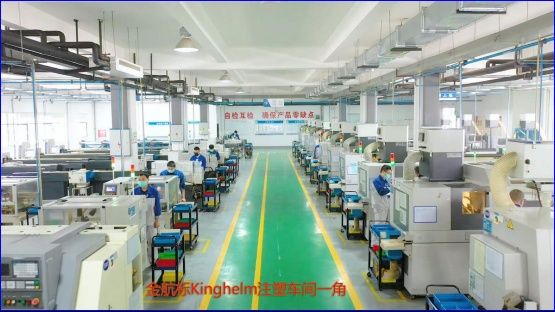
Kinghelm has its own RF reliability laboratory in Dongguan Tangxia, capable of performing the following tests independently:
Environmental tests: High/low temperature cycling, high/low temperature storage, 120-hour salt spray, and damp heat aging.
Mechanical tests: Repeated mating life, vibration testing, mechanical shock, and cable bend/swing tests.
Electrical/RF tests: Insulation resistance, dielectric withstand voltage, contact resistance; VSWR and insertion loss RF performance testing using a network analyzer.
For certain stringent third-party certification requirements, we can also cooperate with external accredited laboratories.
What length options are available for RF cables?
2026-09-18
213
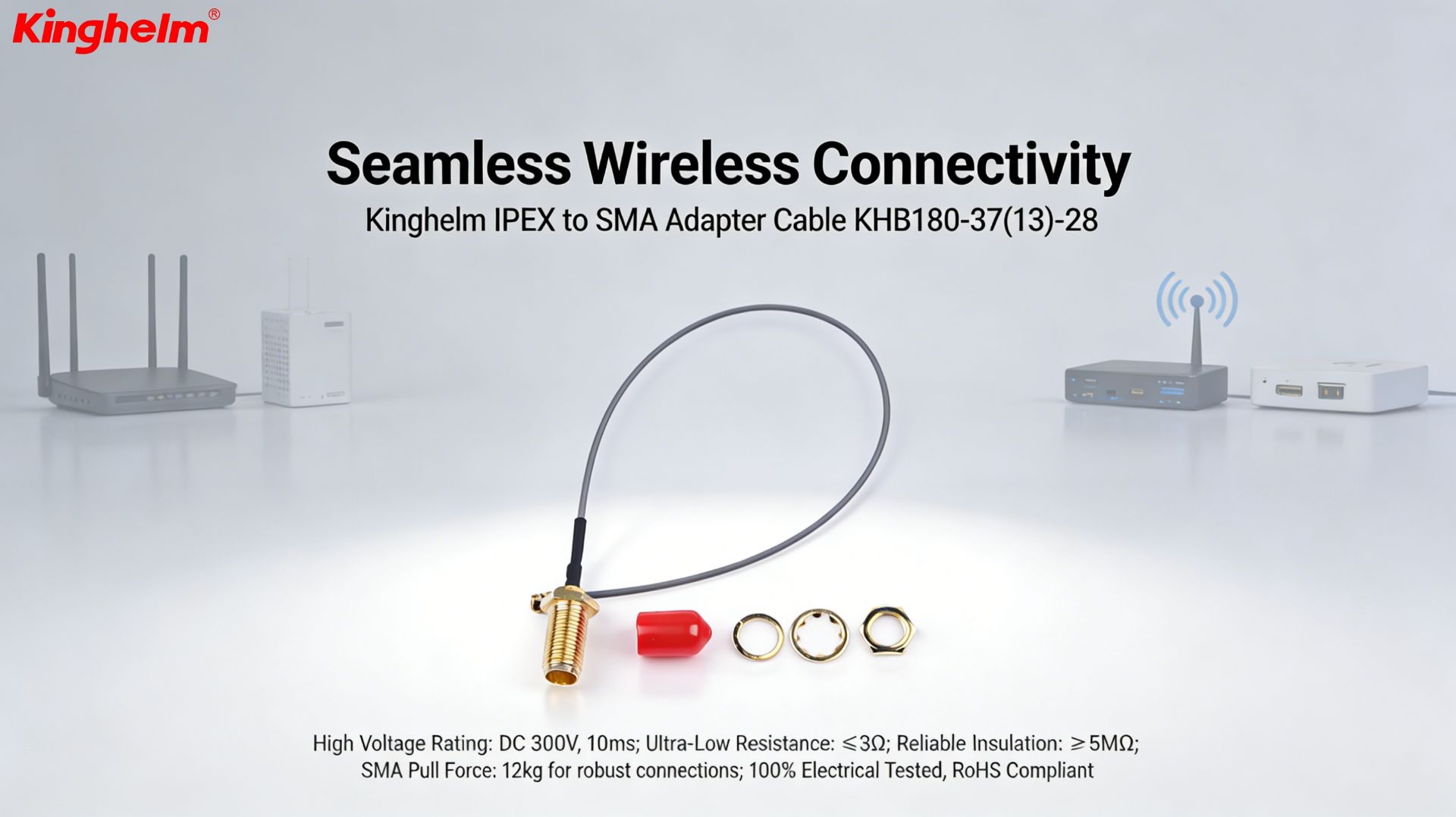
The length of RF cables can be customized according to the customer’s specific application requirements. Standard cable lengths typically range from a few centimeters to several meters. For applications with limited installation space or short distances between modules, ultra-short RF cable assemblies with lengths of around 10 mm or more can be provided. These compact cables are suitable for applications such as internal module connections, board-to-board connections, and connections between RF modules and antennas, helping minimize cable space while meeting installation and assembly requirements.
For longer RF cables, especially those measuring several meters, the cable length needs to be evaluated together with the operating frequency, cable type, physical dimensions, impedance requirements, and allowable signal loss. As cable length increases, insertion loss during RF signal transmission also increases. Therefore, for long-distance or high-frequency applications, low-loss RF cables are generally recommended to help maintain signal integrity, transmission quality, and overall system performance.
RF cable lengths are not limited to standard specifications and can be cut and customized based on the customer’s equipment structure, installation distance, and application requirements. Whether you need millimeter-level ultra-short cables, conventional cables ranging from several centimeters to hundreds of centimeters, or meter-level long cables, customized solutions can be evaluated according to the specific project requirements.
For cable lengths beyond the standard range, we can further evaluate the appropriate cable type and assembly solution based on the operating frequency, maximum allowable insertion loss, installation environment, bending requirements, and other application conditions, ensuring that the selected RF cable meets the electrical and mechanical requirements of the system.
What waterproof rating can the connectors achieve?
2026-09-17
473
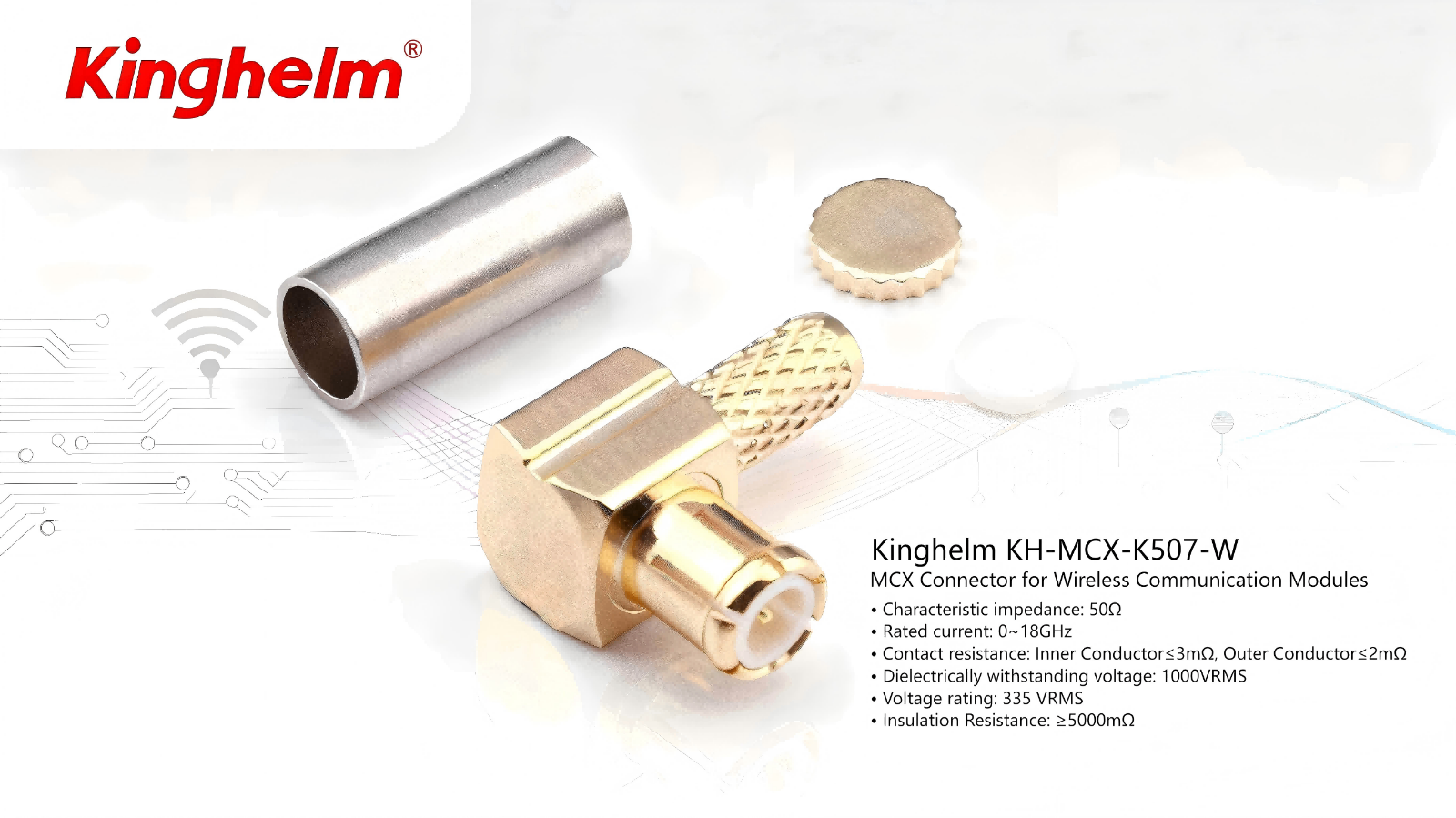
Standard board-level RF connectors, such as SMA and IPEX, are generally not waterproof by themselves. They are mainly designed for applications where the connector is installed inside the equipment or is not directly exposed to water and moisture. If waterproof and dustproof performance is required, waterproof RF connectors, sealed cable connectors, or other sealing components can be selected according to the application requirements.
With proper sealing structures, such as sealing rings, gaskets, and sealants, waterproof RF connectors can typically achieve IP65 to IP67 protection ratings. IP65 provides protection against dust and water jets, while IP66 offers enhanced protection against powerful water jets. IP67 can provide protection against temporary immersion in water, making it suitable for many outdoor communication devices, vehicle-mounted equipment, industrial equipment, security systems, and other applications requiring a higher level of environmental protection.
For applications requiring an even higher level of protection, IP68 can also be developed and customized according to the customer's specific requirements, drawings, samples, or application conditions. The final IP68 rating will depend on the overall product structure and the applicable test conditions.
It is important to note that the waterproof rating does not depend solely on the connector itself. It is also closely related to the overall structural design, sealing ring material and dimensions, connector-to-housing fit, cable exit design, assembly process, and installation method. Therefore, the connector should be designed and verified together with the equipment housing, panel, cable, and sealing structure to ensure that the required protection level can be achieved.
The final waterproof rating should be confirmed based on the actual product structure and verified through the corresponding standardized testing.
What are the impedance, frequency range, and operating temperature of SMA connectors?
2026-09-15
602
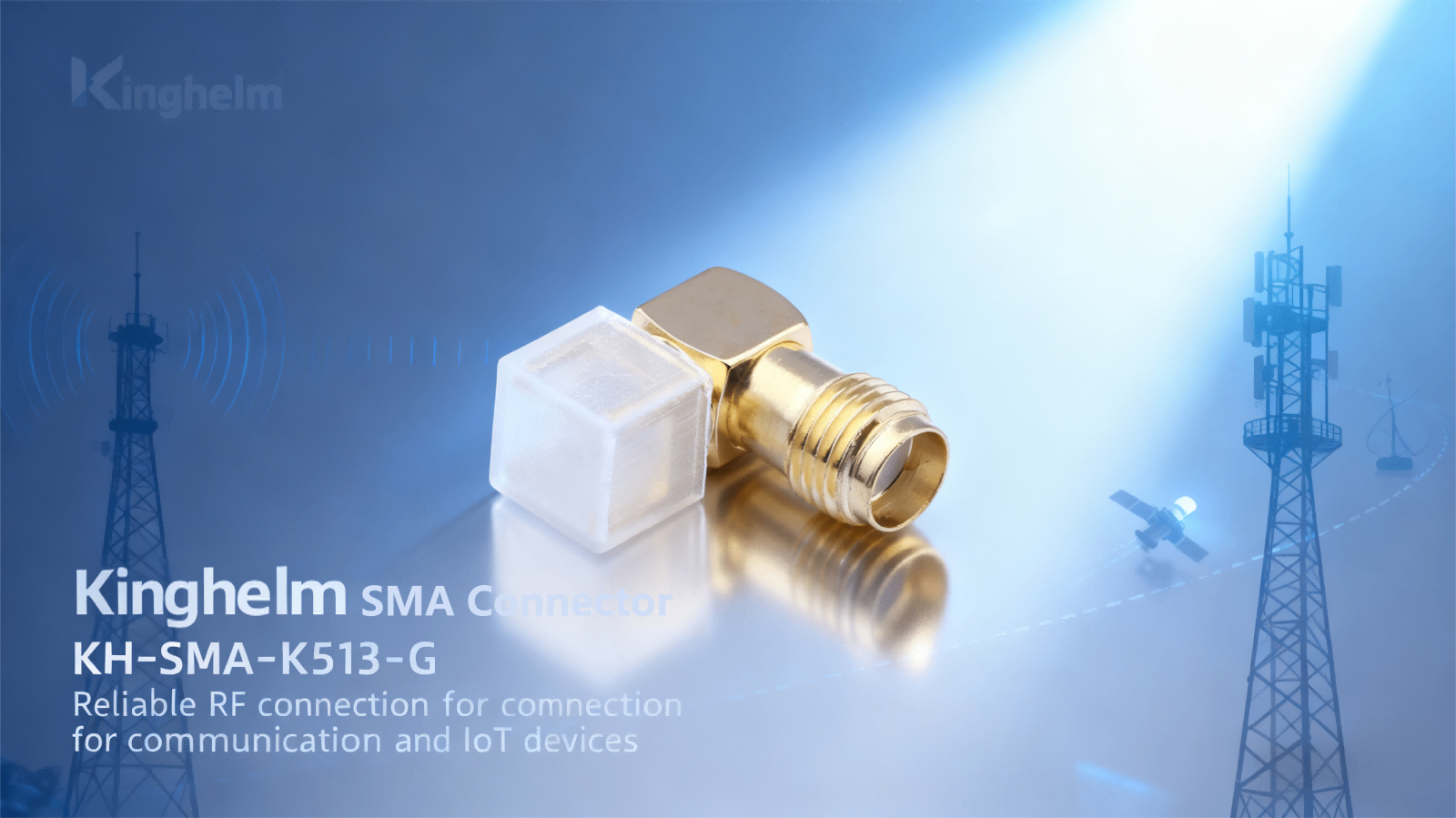
SMA connectors are small coaxial connectors widely used in RF and microwave systems. They feature a compact size, high mechanical strength, and reliable connections. Their impedance, frequency range, and operating temperature are as follows:
Impedance: Standard SMA connectors are 50 Ω and can match well with most RF transmission systems, test instruments, antennas, and coaxial cables. Although 75 Ω versions also exist on the market, they are mainly used in special applications such as video and broadcasting, and generally cannot be directly mated with 50 Ω SMA connectors. Otherwise, impedance mismatch, degraded VSWR, and signal reflection may occur.
Frequency range: Conventional SMA connectors operate from DC to 18 GHz, which can meet the needs of most wireless communications, radar, test and measurement, and microwave component applications. Precision SMA versions using precision machining, high-quality insulating dielectrics, and strict tolerances can extend the frequency range to 26.5 GHz. Higher frequencies usually require 3.5 mm, 2.92 mm, 2.4 mm, or other connectors. The actual usable frequency is also affected by the cable assembly, PCB transition, soldering quality, and mounting method.
Operating temperature: The general range is -65°C to +165°C, depending on the insulating dielectric, housing and contact materials, plating, and sealing structure. Commonly used PTFE dielectrics, stainless steel or brass housings, and gold- or nickel-plated contacts can support a wide temperature range. Different material and plating versions may vary slightly, and the upper limit of some low-cost versions or versions with plastic accessories may be lower. When used for soldering cables, the solder melting point, cable jacket, and strain relief can also limit the overall temperature performance.
Therefore, when selecting a connector, the datasheet of the specific model should be used as the basis, and environmental and electrical factors such as thermal cycling, vibration, humidity, and frequency matching should also be considered comprehensively.
About Kinghelm
Shenzhen Kinghelm Electronics Co., Ltd.(www.kinghelm.net)has technical backbones from Tsinghua University and UESTC, and has introduced overseas returnee professionals. Kinghelm is able to develop highly reliable and high-performance antenna and connector products.KH series products of "Kinghelm" brand include Beidou/GPS antennas, RF adapter connectors, plug connector, electrical data connectors, terminals, and customized vehicle harnesses, industrial / medical connectors, and special antenna connectors."Kinghelm connects world", Kinghelm has grown with the development of China's Beidou industry. Starting from supplying Beidou/GPS dual mode antennas, IPEX terminals, and RF adapter cables for automotive manufacturers, Kinghelm has continuously developed products. Currently, it has a series of WiFi, Bluetooth, NB-loT, LoRa, Zigbee, UWB, and GSM antennas, RFID tags, RF adapter cables, standard microwave antennas, vehicle grade SMA, SMB, FAKRA holders, coaxial cables, and can customize non-standard antenna connectors based on customer drawings or samples.

What is the maximum annual production capacity of Kinghelm's automated connector production lines?
2026-09-11
1015
Kinghelm operates multiple automated connector assembly lines with a maximum annual capacity reaching several hundred million pieces (connectors plus RF cable assemblies combined), sufficient to meet large-volume orders from module and IoT device manufacturers. Specific delivery lead times depend on the product model and order quantity.
About Kinghelm
Shenzhen Kinghelm Electronics Co., Ltd.(www.kinghelm.net)has technical backbones from Tsinghua University and UESTC, and has introduced overseas returnee professionals. Kinghelm is able to develop highly reliable and high-performance antenna and connector products.KH series products of "Kinghelm" brand include Beidou/GPS antennas, RF adapter connectors, plug connector, electrical data connectors, terminals, and customized vehicle harnesses, industrial / medical connectors, and special antenna connectors."Kinghelm connects world", Kinghelm has grown with the development of China's Beidou industry. Starting from supplying Beidou/GPS dual mode antennas, IPEX terminals, and RF adapter cables for automotive manufacturers, Kinghelm has continuously developed products. Currently, it has a series of WiFi, Bluetooth, NB-loT, LoRa, Zigbee, UWB, and GSM antennas, RFID tags, RF adapter cables, standard microwave antennas, vehicle grade SMA, SMB, FAKRA holders, coaxial cables, and can customize non-standard antenna connectors based on customer drawings or samples.
How is signal transmission loss controlled in RF cables?
2026-09-10
1066
(1) Select low-loss coaxial cable materials, matching the cable type to the operating frequency band; for high-frequency applications, low-loss cables are preferred.
(2) Strictly control the crimping/soldering process between cable and connectors to ensure reliable inner and outer conductor connections and minimize joint loss.
(3) Control the minimum bend radius of the cable to avoid performance degradation due to excessive bending during design and production.
(4) Maintain strict 50 Ω impedance matching at the connector interface to reduce reflection-induced equivalent loss.
(5) Test finished products with a network analyzer for insertion loss and reject out-of-spec units.
(6) For long cable runs, evaluate the appropriate cable length with the customer and, if necessary, choose thicker low-loss cables.
About Kinghelm
Shenzhen Kinghelm Electronics Co., Ltd.(www.kinghelm.net)has technical backbones from Tsinghua University and UESTC, and has introduced overseas returnee professionals. Kinghelm is able to develop highly reliable and high-performance antenna and connector products.KH series products of "Kinghelm" brand include Beidou/GPS antennas, RF adapter connectors, plug connector, electrical data connectors, terminals, and customized vehicle harnesses, industrial / medical connectors, and special antenna connectors."Kinghelm connects world", Kinghelm has grown with the development of China's Beidou industry. Starting from supplying Beidou/GPS dual mode antennas, IPEX terminals, and RF adapter cables for automotive manufacturers, Kinghelm has continuously developed products. Currently, it has a series of WiFi, Bluetooth, NB-loT, LoRa, Zigbee, UWB, and GSM antennas, RFID tags, RF adapter cables, standard microwave antennas, vehicle grade SMA, SMB, FAKRA holders, coaxial cables, and can customize non-standard antenna connectors based on customer drawings or samples.
What targeted design optimizations has Kinghelm implemented to address common connector failure modes such as open circuits, increased contact resistance, and poor insulation?
2026-09-09
1211
For open circuits and increased contact resistance:
(1) Optimized contact spring geometry to improve normal force and reduce contact failures under vibration and temperature cycling.
(2) Terminals made of high-conductivity copper alloys with a controlled gold-plating process to ensure proper plating thickness and prevent oxidation.
(3) Strict control of stamping and injection molding tolerances to avoid misalignment and intermittent contacts.
(4) 100% in-process continuity and contact resistance inspection.
For poor insulation:
(1) Use of high-temperature-resistant, high-insulation plastic materials.
(2) Optimized injection molding process to minimize voids, gaps, and impurities in the plastic.
(3) Strict assembly control to prevent short circuits between inner and outer conductors and to eliminate metal debris.
(4) Factory insulation resistance and dielectric withstand voltage testing to screen out defective insulation products.
About Kinghelm
Shenzhen Kinghelm Electronics Co., Ltd.(www.kinghelm.net)has technical backbones from Tsinghua University and UESTC, and has introduced overseas returnee professionals. Kinghelm is able to develop highly reliable and high-performance antenna and connector products.KH series products of "Kinghelm" brand include Beidou/GPS antennas, RF adapter connectors, plug connector, electrical data connectors, terminals, and customized vehicle harnesses, industrial / medical connectors, and special antenna connectors."Kinghelm connects world", Kinghelm has grown with the development of China's Beidou industry. Starting from supplying Beidou/GPS dual mode antennas, IPEX terminals, and RF adapter cables for automotive manufacturers, Kinghelm has continuously developed products. Currently, it has a series of WiFi, Bluetooth, NB-loT, LoRa, Zigbee, UWB, and GSM antennas, RFID tags, RF adapter cables, standard microwave antennas, vehicle grade SMA, SMB, FAKRA holders, coaxial cables, and can customize non-standard antenna connectors based on customer drawings or samples.
What are the differences between Kinghelm's Gen 1 IPEX and Gen 4 IPEX cables?
2026-09-08
1291
(1) Height: Gen 1 IPEX (MHF-I) has a higher receptacle height (1.25 mm); Gen 4 IPEX (MHF-4) is lower and thinner (0.6 mm), making it suitable for ultra-thin and compact devices.
(2) Frequency range: Gen 1 typically supports up to 6 GHz; Gen 4 supports higher frequencies, up to 12 GHz, with better high-frequency performance.
(3) Size and pitch: Gen 4 is significantly smaller in volume (Gen 1: 11.7 mm³; Gen 4: 2.4 mm³) and has a smaller pad pitch, making it ideal for space-constrained PCB designs.
(4) Mating life: Gen 1 offers a relatively higher number of mating cycles (50 cycles); Gen 4 is more compact and delicate, requiring gentler handling during mating/unmating.
(5) Cable compatibility: Gen 1 supports a wider selection of cable types (RF0.81, RF1.13, RF1.37, RG178); Gen 4 is typically used with fine/ultra-fine coaxial cables (RF0.81, RF1.13, RF1.37) and is often applied in compact modules.
The two generations are not interchangeable; the receptacle and cable connector must be matched by the same version.
About Kinghelm
Shenzhen Kinghelm Electronics Co., Ltd.(www.kinghelm.net)has technical backbones from Tsinghua University and UESTC, and has introduced overseas returnee professionals. Kinghelm is able to develop highly reliable and high-performance antenna and connector products.KH series products of "Kinghelm" brand include Beidou/GPS antennas, RF adapter connectors, plug connector, electrical data connectors, terminals, and customized vehicle harnesses, industrial / medical connectors, and special antenna connectors."Kinghelm connects world", Kinghelm has grown with the development of China's Beidou industry. Starting from supplying Beidou/GPS dual mode antennas, IPEX terminals, and RF adapter cables for automotive manufacturers, Kinghelm has continuously developed products. Currently, it has a series of WiFi, Bluetooth, NB-loT, LoRa, Zigbee, UWB, and GSM antennas, RFID tags, RF adapter cables, standard microwave antennas, vehicle grade SMA, SMB, FAKRA holders, coaxial cables, and can customize non-standard antenna connectors based on customer drawings or samples.
Do you support custom mold tooling for non-standard antennas and connectors?
2026-09-08
1300
Yes. Kinghelm (www.kinghelm.net) offers custom mold tooling services for non-standard antennas and connectors, including structural modifications, new mold development, special impedance/interface requirements, non-standard dimensions, and custom cable assemblies. We can support the entire process from solution evaluation, structural design, mold prototyping, small-batch production, to mass production. Minimum order quantities and tooling fees apply, depending on the product solution evaluation.
About Kinghelm
Shenzhen Kinghelm Electronics Co., Ltd.(www.kinghelm.net)has technical backbones from Tsinghua University and UESTC, and has introduced overseas returnee professionals. Kinghelm is able to develop highly reliable and high-performance antenna and connector products.KH series products of "Kinghelm" brand include Beidou/GPS antennas, RF adapter connectors, plug connector, electrical data connectors, terminals, and customized vehicle harnesses, industrial / medical connectors, and special antenna connectors."Kinghelm connects world", Kinghelm has grown with the development of China's Beidou industry. Starting from supplying Beidou/GPS dual mode antennas, IPEX terminals, and RF adapter cables for automotive manufacturers, Kinghelm has continuously developed products. Currently, it has a series of WiFi, Bluetooth, NB-loT, LoRa, Zigbee, UWB, and GSM antennas, RFID tags, RF adapter cables, standard microwave antennas, vehicle grade SMA, SMB, FAKRA holders, coaxial cables, and can customize non-standard antenna connectors based on customer drawings or samples.
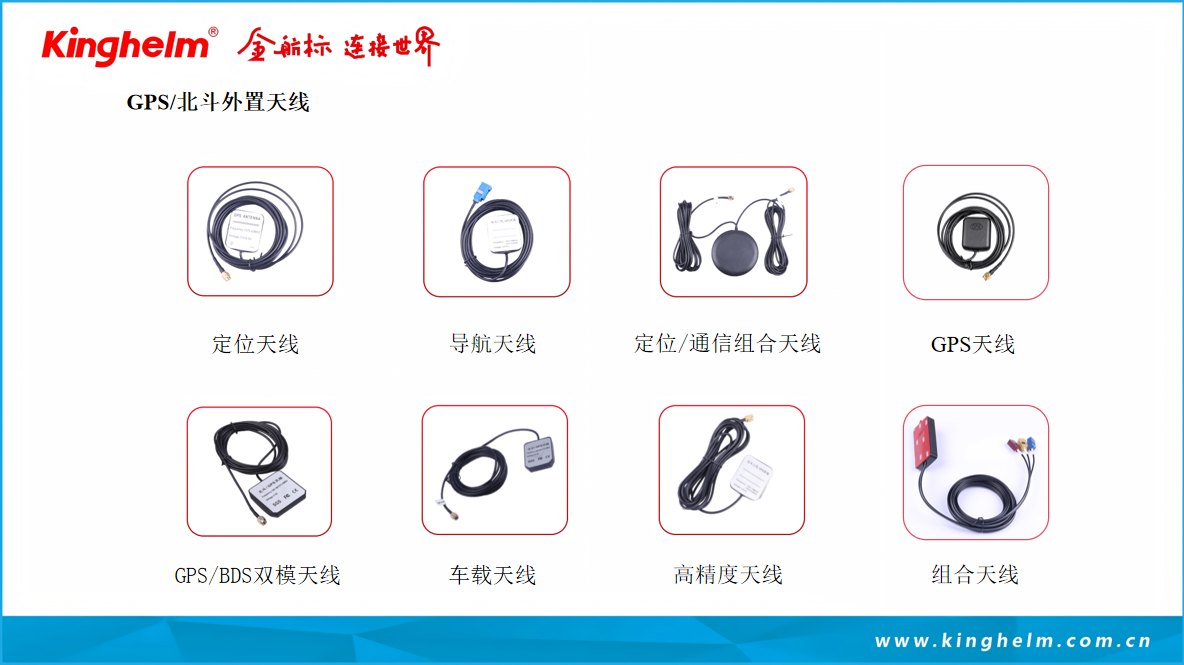
Are all Kinghelm antennas tested with a network analyzer?
2026-09-08
1306
Yes. All Kinghelm antennas are tested with a network analyzer before shipment, with special attention to key RF parameters such as VSWR and return loss. Every finished antenna undergoes RF performance testing; non-conforming units are rejected to ensure that the shipped products meet the required RF specifications. For certain custom antennas, testing may follow the specific criteria agreed with the customer.
About Kinghelm
Shenzhen Kinghelm Electronics Co., Ltd.(www.kinghelm.net)has technical backbones from Tsinghua University and UESTC, and has introduced overseas returnee professionals. Kinghelm is able to develop highly reliable and high-performance antenna and connector products.KH series products of "Kinghelm" brand include Beidou/GPS antennas, RF adapter connectors, plug connector, electrical data connectors, terminals, and customized vehicle harnesses, industrial / medical connectors, and special antenna connectors."Kinghelm connects world", Kinghelm has grown with the development of China's Beidou industry. Starting from supplying Beidou/GPS dual mode antennas, IPEX terminals, and RF adapter cables for automotive manufacturers, Kinghelm has continuously developed products. Currently, it has a series of WiFi, Bluetooth, NB-loT, LoRa, Zigbee, UWB, and GSM antennas, RFID tags, RF adapter cables, standard microwave antennas, vehicle grade SMA, SMB, FAKRA holders, coaxial cables, and can customize non-standard antenna connectors based on customer drawings or samples.
Has Kinghelm Electronics obtained ISO14001 environmental certification?
2026-06-25
2783
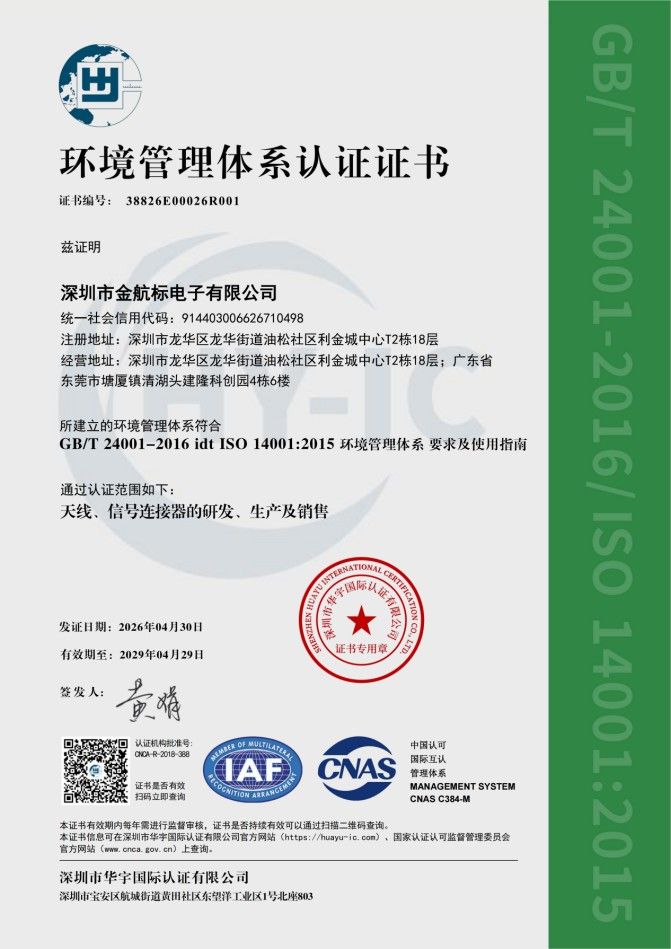
Yes. Kinghelm Electronics Co., Ltd. has successfully passed both the ISO9001 quality management system re-certification and the ISO14001 environmental management system certification in 2026.
Under the stricter requirements of the newly implemented Quality Management System Certification Rules (CNCA-QMS-01:2025), Kinghelm passed both certifications in April 2026.
Certification details:
Certification body:Shenzhen Huayu International Certification Co., Ltd.
ISO9001 certificate number:38825Q01488RIS (valid: 2026.04–2028.05)
ISO14001 certificate number:38826E00026R001 (valid: 2026.04–2029.04)
Scope of certification:R&D, production, and sales of antennas and signal connectors
Company background and significance
Kinghelm has long been engaged in microwave RF technology and has established joint research institutions with universities to continuously promote technological innovation and product upgrades.
The company is committed to providing high-performance and high-reliability products and services, which has enabled it to pass ISO9001 audits for multiple consecutive years, demonstrating a mature and standardized management system.
Additional certifications and development
In 2026, successfully obtaining both ISO9001 and ISO14001 dual-system certifications marks a major improvement in Kinghelm’s quality and environmental management system.
The company has also obtained certifications such as:
ISO system certifications
RoHS
REACH
Dun & Bradstreet (D&B) certification
It is also actively advancing certifications such as IATF16949 automotive quality system, UL, and TÜV.
Industry significance
ISO9001 is a globally recognized quality management system standard and is widely required in manufacturing and electronics industries. It is often a mandatory requirement for major customers, government procurement, factories, and bidding projects, making it one of the most fundamental and widely adopted certification systems.
What are the differences in connector selection between consumer electronics and industrial equipment?
2026-06-25
2758
Although connectors in consumer electronics and industrial equipment may look similar, they differ significantly in materials, design, manufacturing standards, performance requirements, operating environments, service life, and safety levels.
1. Operating environment
Consumer electronics:Indoor, room temperature, everyday usage environments
Industrial equipment:Harsh conditions such as high/low temperatures, humidity, dust, vibration, and oil exposure
2. Reliability requirements
Consumer electronics:"Good enough" stability, moderate mating cycles
Industrial equipment:Zero-failure expectation, long service life, high mating cycle durability, and no intermittent disconnection allowed
3. Electrical performance
Consumer electronics:Low voltage, low current, focus on compact size and lightweight design
Industrial equipment:High voltage, high current, strong anti-interference capability, stable transmission, and surge resistance
4. Structure and materials
Consumer electronics:Lightweight plastic housings, cost-driven design, miniaturization priority
Industrial equipment:Metal housings, locking mechanisms, waterproof and dustproof structures, durability-first design
Summary
Consumer connectors prioritize cost and compact design, while industrial connectors prioritize reliability, durability, and environmental resistance to ensure stable operation in harsh conditions.

What should you do if a USB connector device is not recognized?
2026-06-25
2703
If a USB device is not recognized, follow these troubleshooting steps:
1. Basic checks
Try a different USB port (prefer rear motherboard ports on desktop PCs)
Replace the USB cable and test again
2. Restart and reset
Disconnect all USB devices
Restart the computer
Reconnect the USB device individually after reboot
3. Driver repair (Windows system)
Open Device Manager→ Universal Serial Bus controllers
Uninstall USB Root Hubdevices
Restart the computer to allow automatic driver reinstallation
4. Driver and power considerations
For connectors, adapters, or docking stations, install official or manufacturer-provided drivers
Avoid relying solely on default system drivers when specialized hardware is used
Summary
USB recognition failures are usually caused by port/cable issues, system driver problems, or power/compatibility limitations, and can typically be resolved through systematic hardware and software troubleshooting.
How can intermittent contact issues in connectors be solved?
2026-06-25
2784
Intermittent contact in connectors refers to unstable connections where the signal or power is sometimes present and sometimes interrupted, causing issues such as occasional power loss, signal flickering, or device malfunction.
The main causes are insufficient contact pressure, surface contamination/oxidation, long-term vibration leading to loosening, and improper assembly.
Solutions:
1. Improve contact spring design
Use terminals with higher contact force and better elasticity to ensure stable long-term contact without loosening.
2. Use gold-plated contacts
Gold plating reduces oxidation and contact resistance, significantly improving long-term connection stability.
3. Strengthen mechanical structure
Improve locking structures to resist vibration and cable pulling, preventing micro-movement at the contact interface.
4. Standardize assembly process
Ensure proper mating, correct alignment, no tilting, and no pin misalignment or pin-back during assembly.
5. Add sealing and protective design
Improve dustproof and waterproof structures to prevent environmental contamination such as dust, moisture, and oil from affecting the contact interface.
Summary
Intermittent contact issues can be effectively eliminated by improving contact force, surface quality, mechanical stability, assembly accuracy, and environmental protection, ensuring long-term reliable electrical connection.
What is the significance of the rated voltage of a connector?
2026-06-25
2805
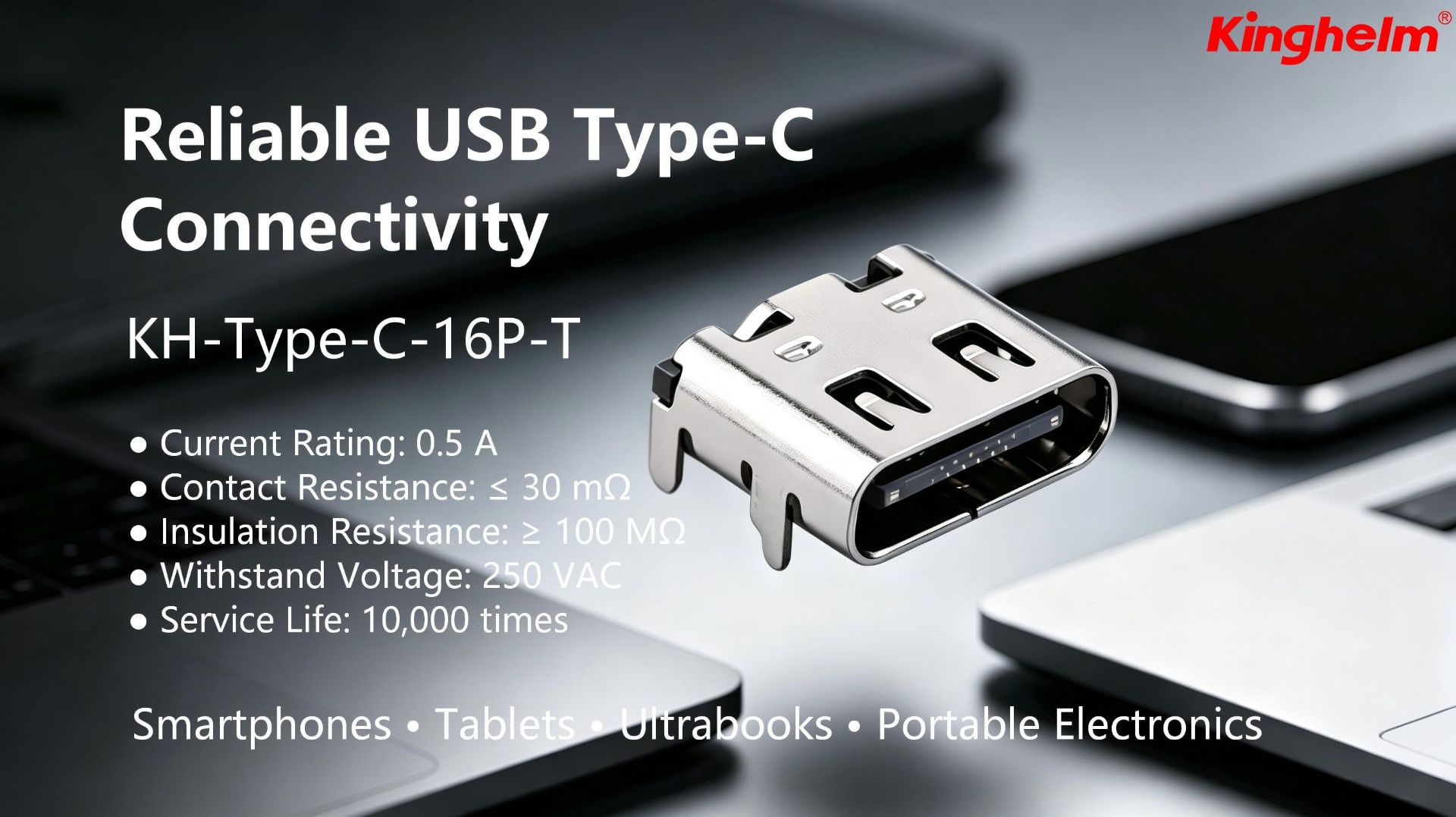
The rated voltage of a connector refers to the maximum voltage value that the manufacturer guarantees the connector can safely operate under for long-term use.
It mainly determines two key aspects:
1. Whether insulation breakdown will occur
If the voltage exceeds the rated value, it may break down the insulation of the housing or between terminals, leading to short circuits, arcing, or leakage current.
2. Whether creepage distance and electrical clearance are sufficient
A higher rated voltage requires safer structural design, including larger pin spacing and sufficient creepage and clearance distances, to prevent electrical arcing under high voltage conditions.
What is the rated current of a connector?
2026-06-25
2664
The rated current of a connector refers to the maximum continuous current that the connector can safely carry under specified conditions—such as defined ambient temperature, installation method, and long-term energized operation—without exceeding the allowable terminal temperature rise limit.
It reflects the connector’s current-carrying capability and heat dissipation performance, and is a key electrical parameter to ensure stable and reliable operation of the product.
What are the common causes of increased contact resistance in connectors?
2026-06-25
2770
The common causes of abnormally high contact resistance in connectors include:
1. Surface contamination
Oxide layers, oil, dust, or other contaminants on the contact surface reduce conductivity and increase resistance.
2. Wear or damage of plating
Plating wear, peeling, or degradation reduces the effective conductive contact area.
3. Insufficient contact pressure or misalignment
Poor assembly, loosening, or positional deviation leads to incomplete or unstable contact.
4. Material fatigue or deformation
Long-term use may cause elastic fatigue or deformation of contact springs, reducing contact force.
5. Environmental stress (vibration, temperature, humidity)
Mechanical vibration and environmental changes accelerate micro-motion wear and oxidation, further increasing contact resistance.
What is the role of insulation resistance in antennas and connectors?
2026-06-25
2635
Insulation resistance is a key parameter used to evaluate the performance of insulating materials. Its main functions are as follows:
1. Evaluating insulation quality
Higher insulation resistance indicates lower leakage current and more reliable electrical isolation performance.
2. Preventing leakage and short circuits
It ensures that current flows only along the intended conductive paths, preventing leakage to the housing or adjacent contacts and eliminating short-circuit risks.
3. Ensuring electrical safety
It helps prevent energized housings, thereby reducing the risk of electric shock and improving user safety.
4. Indicating long-term reliability
Under harsh conditions such as high temperature, humidity, and aging, changes in insulation resistance reflect degradation of insulation performance and help predict potential product failure risks.
Is there a difference in operating temperature range between gold-plated and tin-plated connectors?
2026-06-25
2598
Yes, there is a clear difference. The maximum operating temperature of gold-plated connectors is about 20°C higher than tin-plated ones, while the low-temperature limit is basically the same.
1. Standard operating temperature range
Plating
Standard Operating Temperature Range
Maximum Continuous Operating Temperature
Application Scenarios
Gold (Au)
-40°C ~ +125°C
125°C
Automotive electronics, industrial control, high-temperature signal transmission
Tin (Sn)
-40°C ~ +105°C
105°C
Consumer electronics, general industry, normal-temperature power connections
2. Why there is a temperature difference
2.1 Different coating stability
Gold (Au):Chemically inert, highly stable. It resists oxidation and diffusion at high temperatures, maintaining stable contact resistance. It can operate reliably at 125°C for long periods.
Tin (Sn):Easily oxidizes at elevated temperatures and can form brittle intermetallic compounds (e.g., Cu₆Sn₅) with copper substrates. It may also generate tin whiskers, which can cause short circuits. Long-term use above 105°C leads to rapid degradation.
2.2 Mechanical property differences
Tin begins to soften significantly above ~130°C, which reduces contact force and increases contact resistance.
Gold maintains good hardness and elasticity at 125°C, ensuring stable contact performance.
3. Selection guidelines
>105°C environments(e.g., automotive engine compartments, industrial furnaces):→ Must use gold-plated connectors
Normal temperature / consumer electronics / cost-sensitive applications:→ Use tin-plated connectorsfor better cost performance
Special high-temperature applications:Gold plating can support -55°C to 150°C or higher(e.g., aerospace-grade applications), while tin is generally not recommended for long-term use above 110°C.
What are the negative effects of excessive contact resistance in connectors?
2026-06-25
2666
Excessive contact resistance in connectors leads to several serious performance and reliability issues:
1. Severe heating
High resistance areas generate excessive heat during current flow, which may damage insulators, melt contact terminals, and in extreme cases cause fire hazards.
2. Increased voltage drop
A significant portion of voltage is lost across the resistance, resulting in insufficient power supply to downstream devices, causing malfunction, shutdowns, or system resets.
3. Signal attenuation and transmission errors
For high-speed and high-frequency signals, increased resistance causes distortion, bit errors, unstable communication, or signal dropouts.
4. Unstable contact (intermittent connection)
High resistance often indicates poor contact quality, leading to intermittent connectivity issues that are difficult to diagnose.
5. Accelerated aging and reduced lifespan
Long-term heating and oxidation worsen contact surfaces, increasing resistance further and creating a self-reinforcing degradation cycle.
6. Reduced system reliability
In automotive, industrial control, and medical applications, excessive contact resistance directly leads to non-compliance, safety risks, and system unreliability.