Service Hotline
Resources

Resources
Pin Pitch, Current Rating, and Materials: Key Parameters in Wire-to-Board Connector selection
2025-08-19
189
For procurement and engineering teams in **consumer electronics**, choosing the right wire to board connector is crucial for ensuring reliable electrical performance and long-term durability. This guide explores the key parameters—pin pitch, current rating, and materials—that must be considered during connector selection.
Understanding Pin Pitch in Wire-to-Board Connectors
The pin pitch refers to the center-to-center distance between adjacent pins in a wire to board connector. This dimension directly affects the connector's compatibility with printed circuit boards (PCBs) and influences the overall design compactness.
Smaller pin pitches enable more pins to be integrated into a limited space, which is vital for modern consumer electronics devices such as smartphones, tablets, and wearable gadgets. However, as the pin pitch decreases, manufacturing precision must increase to prevent short circuits and ensure proper mating.
Key Considerations for Pin Pitch
Ensure compatibility with PCB design specifications.
Balance miniaturization with mechanical reliability.
Check industry standards for pitch ranges to avoid assembly issues.
Proper attention to pin pitch guarantees that the selected wire to board connector meets both electrical and mechanical requirements without compromising reliability.
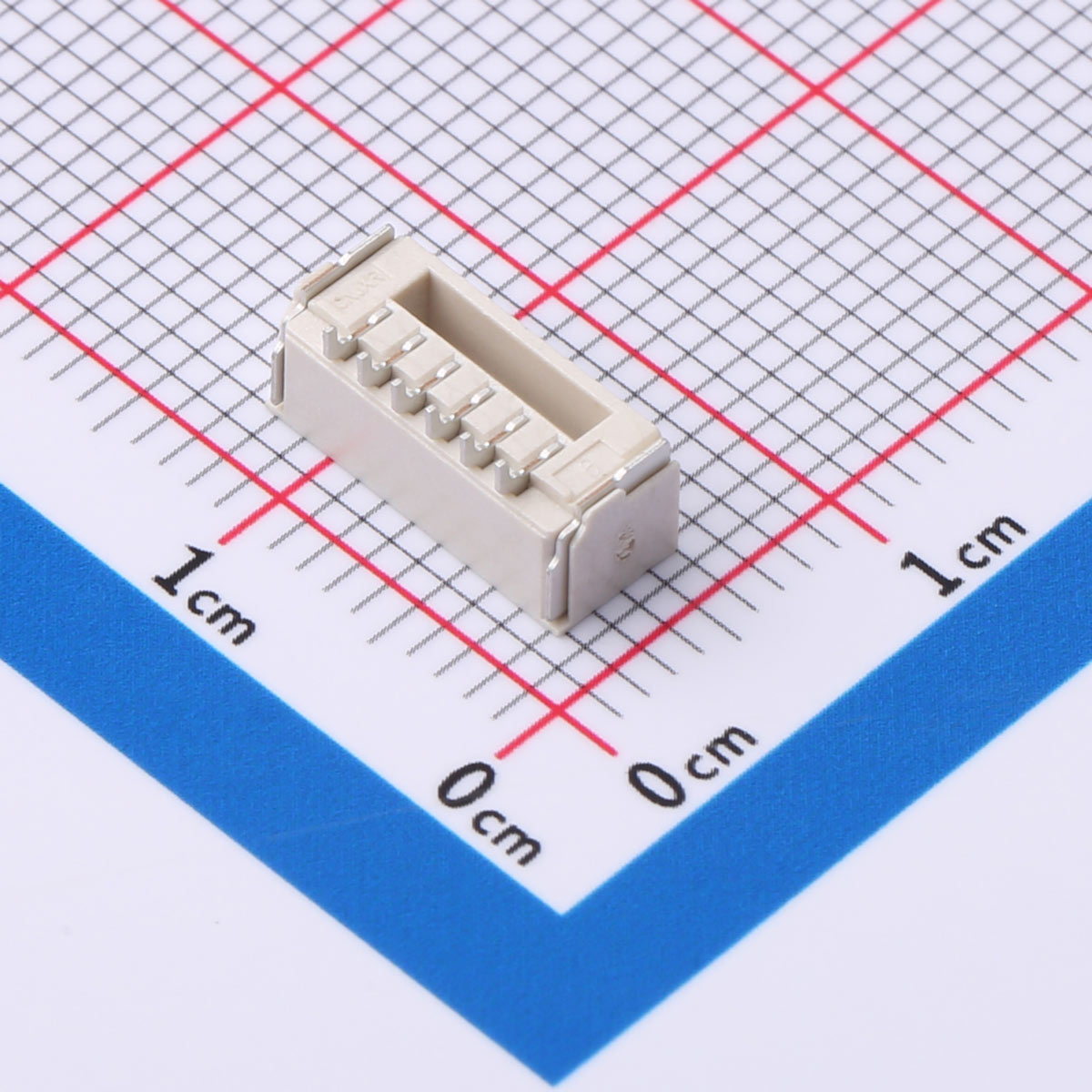
Evaluating Current Rating for Reliable Performance
Another critical parameter in selecting a wire to board connector is the current rating. This value indicates the maximum electrical current the connector can safely carry without overheating or causing damage to the mating components.
Exceeding the rated current may lead to conductor melting, insulation failure, and even fire hazards. Therefore, it is essential for procurement and engineering teams to accurately calculate the expected current flow in the application and select a connector with an adequate safety margin.
Factors Affecting Current Rating
Conductor size and material
Number of pins in parallel
Ambient operating temperature
Ensuring the current rating aligns with the application's electrical demands preserves device safety and enhances product longevity.
Materials and Their Impact on Connector Performance
The selection of materials in a wire to board connector significantly influences its electrical performance, mechanical strength, and corrosion resistance. Connectors are typically made of copper alloys with specialized plating, combined with high-performance insulating materials.
Common conductor materials include phosphor bronze and beryllium copper, both offering excellent conductivity and elasticity. Surface plating options, such as gold or tin, affect corrosion resistance, contact reliability, and lifespan.
Material selection Guidelines
Use gold-plated contacts for high-reliability or low-current applications.
Choose tin plating for cost-sensitive projects with moderate performance needs.
select insulating housings that withstand high temperatures and chemical exposure.
Careful material selection ensures that the wire to board connector remains dependable under various environmental conditions, supporting device durability and reducing maintenance costs.
Additional Factors for Wire-to-Board Connector selection
While pin pitch, current rating, and materials are essential, other considerations also affect performance and integration:
**Mechanical retention:** Proper latching and locking mechanisms prevent accidental disconnections.
**Temperature range:** Ensure connectors operate reliably across expected environmental conditions.
**Compliance and standards:** Follow IPC or IEC standards for quality assurance.
Addressing these parameters holistically guarantees that the chosen wire to board connector meets all functional and regulatory requirements.
Conclusion: Strategic selection of Wire-to-Board Connectors
For consumer electronics procurement and engineering teams, selecting a wire to board connector requires meticulous attention to pin pitch, current rating, and materials. Understanding these key parameters allows teams to make informed decisions that optimize performance, safety, and device longevity.
For further guidance on industry standards and best practices, consider resources from authoritative sites such as IEEE.
By integrating these considerations into your connector selection process, companies can ensure both technical excellence and supply chain reliability.
Related Recommendations