Service Hotline
Resources

Resources
What Factors Should Be Considered in Antenna selection?
2026-04-24
803
Several key principles should be considered when selecting an antenna:
First, based on the application scenario, determine whether to use an external antenna or an internal antenna.
Internal antennas are generally preferred. Most standard internal antennas are omnidirectional antennas with relatively low gain, typically not exceeding 3 dBi. However, a major drawback of internal antennas is that they are easily affected by external obstructions, which can degrade communication performance. As a result, the effective communication distance is usually limited.
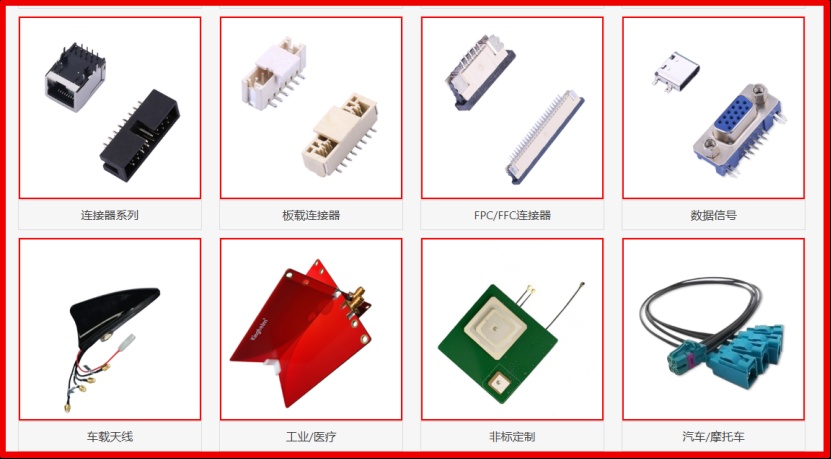
If the installation environment has serious signal obstruction and requires longer communication distances (for example, more than 50 meters in open outdoor areas or more than 10 meters in complex indoor environments), an external antenna should be selected, preferably one with an extension cable.
Second, evaluate the signal density and signal strength within the deployment area, as well as whether dense communication is required, to decide between an omnidirectional antenna and a directional antenna.
An omnidirectional antenna exhibits 360° uniform radiation in the horizontal plane, meaning it has no specific directional preference. In the vertical plane, it has a certain beamwidth; the narrower the vertical beamwidth, the higher the antenna gain.
A directional antenna transmits and receives signals primarily in a specific direction, with little or no radiation in other directions. This improves radiated power efficiency and enhances communication security. In addition, directional receiving antennas can significantly increase signal strength, thereby improving anti-interference performance.
Third, determine the required antenna gain (dBi) based on the distance between the transmitting and receiving devices. As a general rule of thumb, every 3 dBi increase in antenna gain can extend the communication distance by approximately 30%.
Fourth, consider the mechanical mounting constraints of the antenna and select an appropriate mounting method accordingly.
About Kinghelm
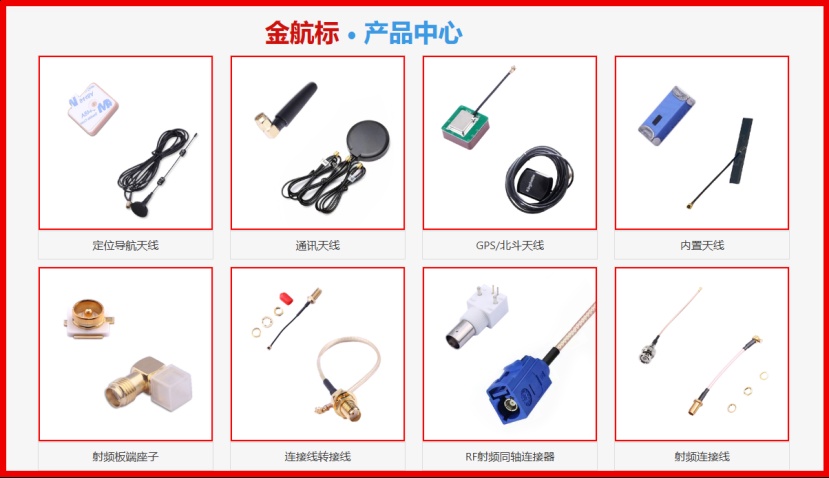
Kinghelm is a high-tech enterprise specializing in RF and connectivity solutions. The company offers a wide range of products, including Beidou/GPS antennas, Wi-Fi, Bluetooth, NB-IoT, LORA, Zigbee antennas, RF cables and connectors, board-to-board and plug-in connectors, switches, terminals, and customized automotive and industrial components. With over 17 years of experience, Kinghelm serves industries such as automotive, telecommunications, industrial automation, medical devices, and consumer electronics. Known for durable, reliable components that meet international standards, Kinghelm supports applications ranging from renewable energy to IoT devices.
Related Recommendations