Service Hotline
Resources

Resources
Do higher signal transmission frequencies place lower requirements on connectors?
2026-05-25
423
Higher signal transmission frequencies place higher requirements on connectors. At high frequencies, signal attenuation, distortion, and crosstalk become more significant, requiring stricter design controls to ensure signal integrity.
High-frequency signals are more susceptible to loss and distortion, so connectors must optimize impedance matching (e.g., tightly controlling 50 Ω or 100 Ω characteristic impedance) to reduce reflection loss.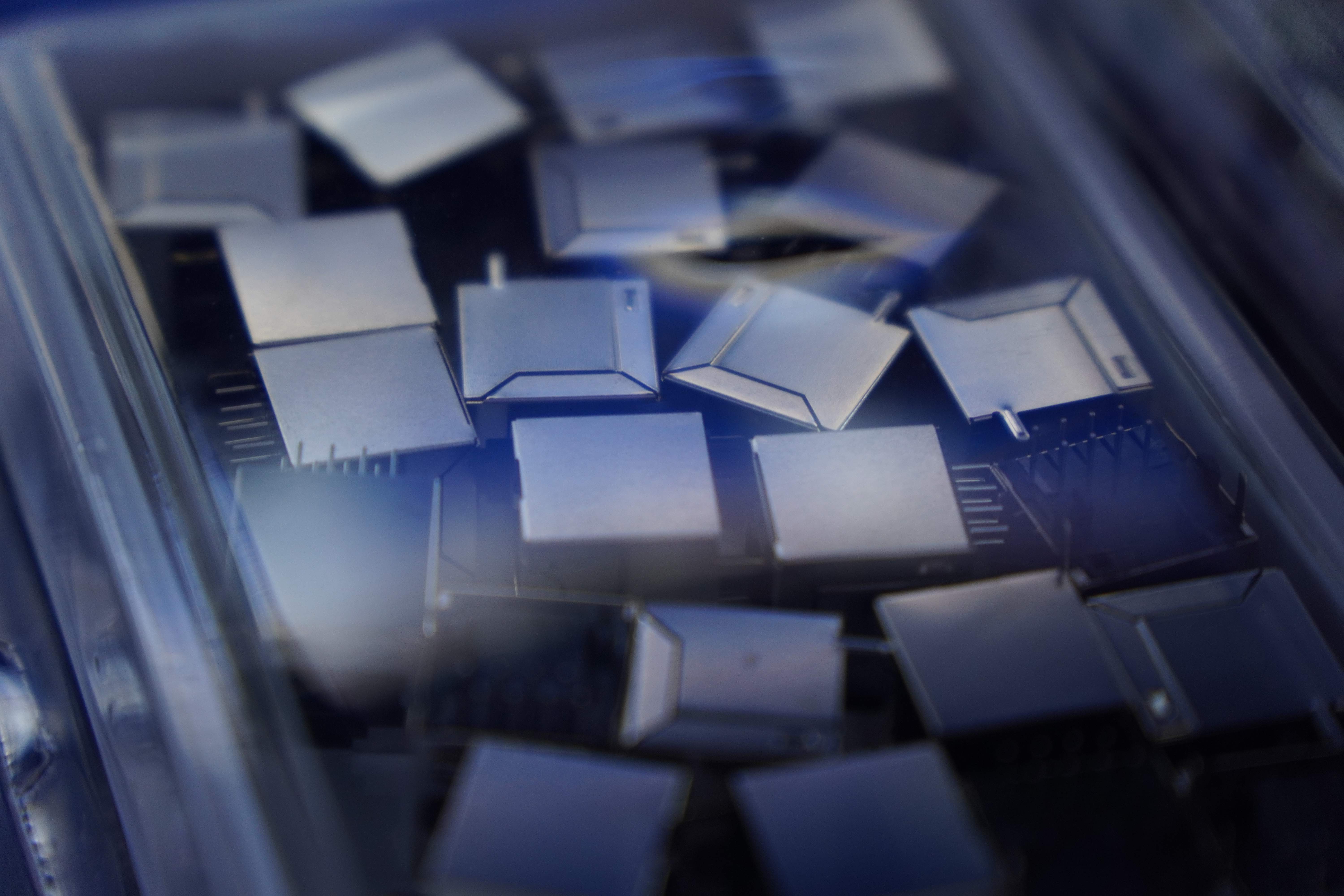
Electromagnetic coupling is stronger at high frequencies, requiring enhanced shielding (such as metal shells and shielding partitions) and optimized pin layouts to minimize crosstalk.
High-frequency applications also demand higher material quality and manufacturing precision, including low-loss insulating materials (e.g., PTFE), high-precision contacts, and tight dimensional tolerances to prevent signal leakage.
Related Recommendations