Service Hotline
Resources

Resources
Why Are Foolproof (Keying) Designs Used in Connectors?
2026-05-25
463
Foolproof, or keying, designs are widely used in connectors to prevent incorrect insertion, reverse mating, or mismatched connections during installation and operation. In modern electronic and electrical systems, connectors often carry power, high-speed signals, or sensitive data. If a connector is inserted incorrectly, it may lead to short circuits, signal transmission errors, equipment malfunction, or even permanent damage to electronic components. Keying structures are therefore essential for ensuring safe, reliable, and accurate connections.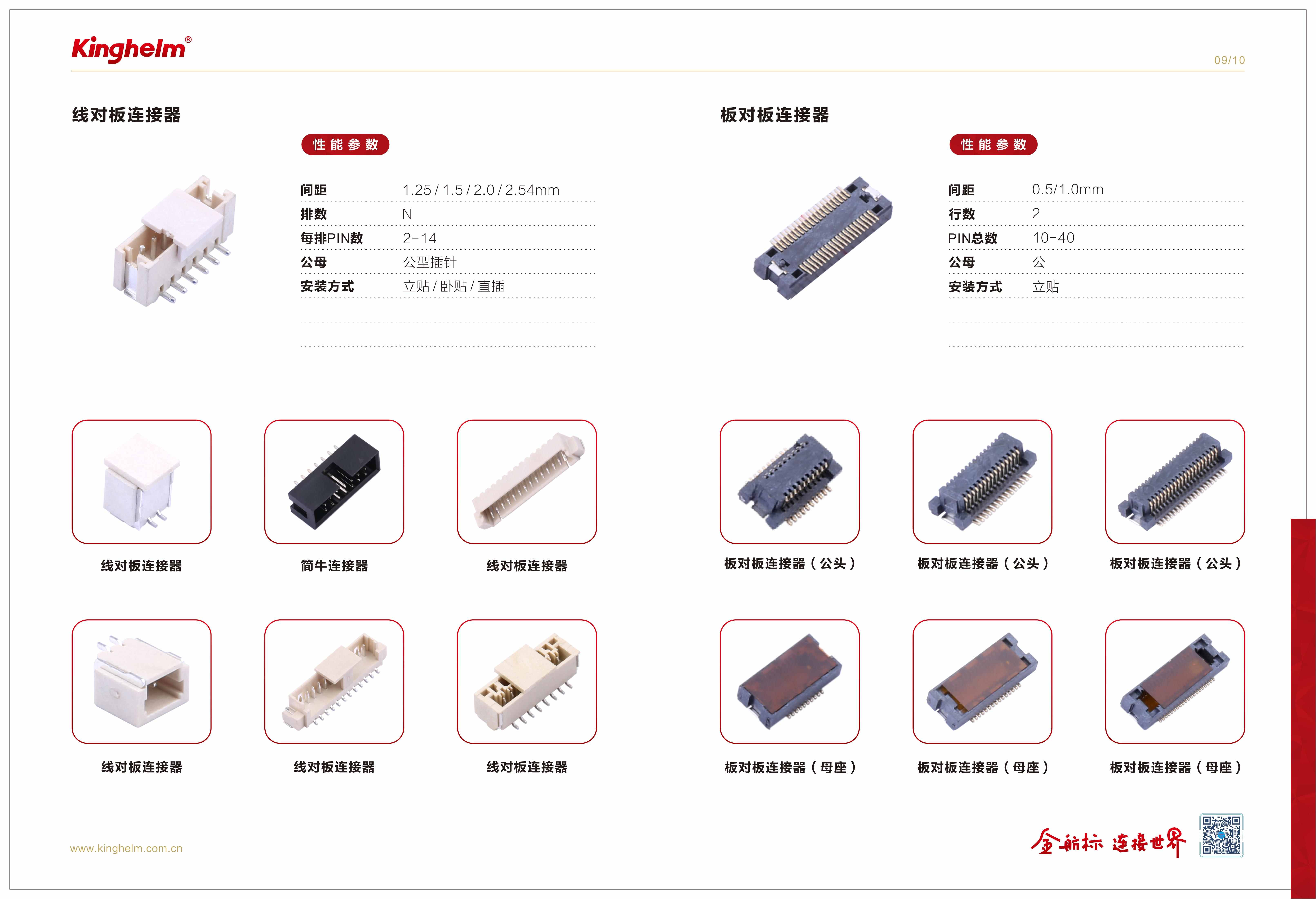
A keying design works by adding specific physical features to the connector interface, such as asymmetrical shapes, slots, ribs, grooves, guide pins, or uniquely positioned contacts. These features allow the connector to mate only in the correct orientation and with the correct counterpart. If the user attempts to insert the connector incorrectly, the physical structure blocks the connection, preventing operational mistakes before electrical contact occurs.
In industrial automation, automotive electronics, medical devices, communication equipment, and consumer electronics, foolproof connector designs greatly improve installation efficiency and reduce human error. Technicians and assembly workers can quickly identify the correct orientation without relying heavily on labels or manuals, which is especially important in high-density systems with multiple similar connectors.
Keying designs also enhance maintenance and replacement processes. During repairs or upgrades, connectors can be disconnected and reconnected safely without risking reversed polarity or incorrect port matching. This reduces downtime and improves overall system reliability.
Additionally, foolproof designs help manufacturers improve production quality and consistency in automated assembly environments. Automated equipment can align and connect components more accurately, reducing assembly defects and improving manufacturing efficiency.
As electronic systems become smaller, faster, and more complex, the importance of reliable connector keying continues to increase. Proper foolproof connector design not only protects devices and circuits but also supports long-term operational stability and user safety.
Related Recommendations