Service Hotline
Resources

Resources
5 Critical Parameters to Consider When selecting an XH Connector
2025-08-21
208
For procurement specialists and engineering teams within the fast-paced consumer electronics sector, component selection is a cornerstone of product success. Among these critical components, the humble XH connector plays an outsized role. This specific type of 2.50mm pitch wire-to-board connector, part of the JST family, is ubiquitous in applications from power supplies to PCBs. Choosing the incorrect variant can lead to field failures, production delays, and costly recalls. This definitive guide outlines the five most vital parameters to evaluate, ensuring your selected XH connector meets all technical, reliability, and budgetary requirements for your project.
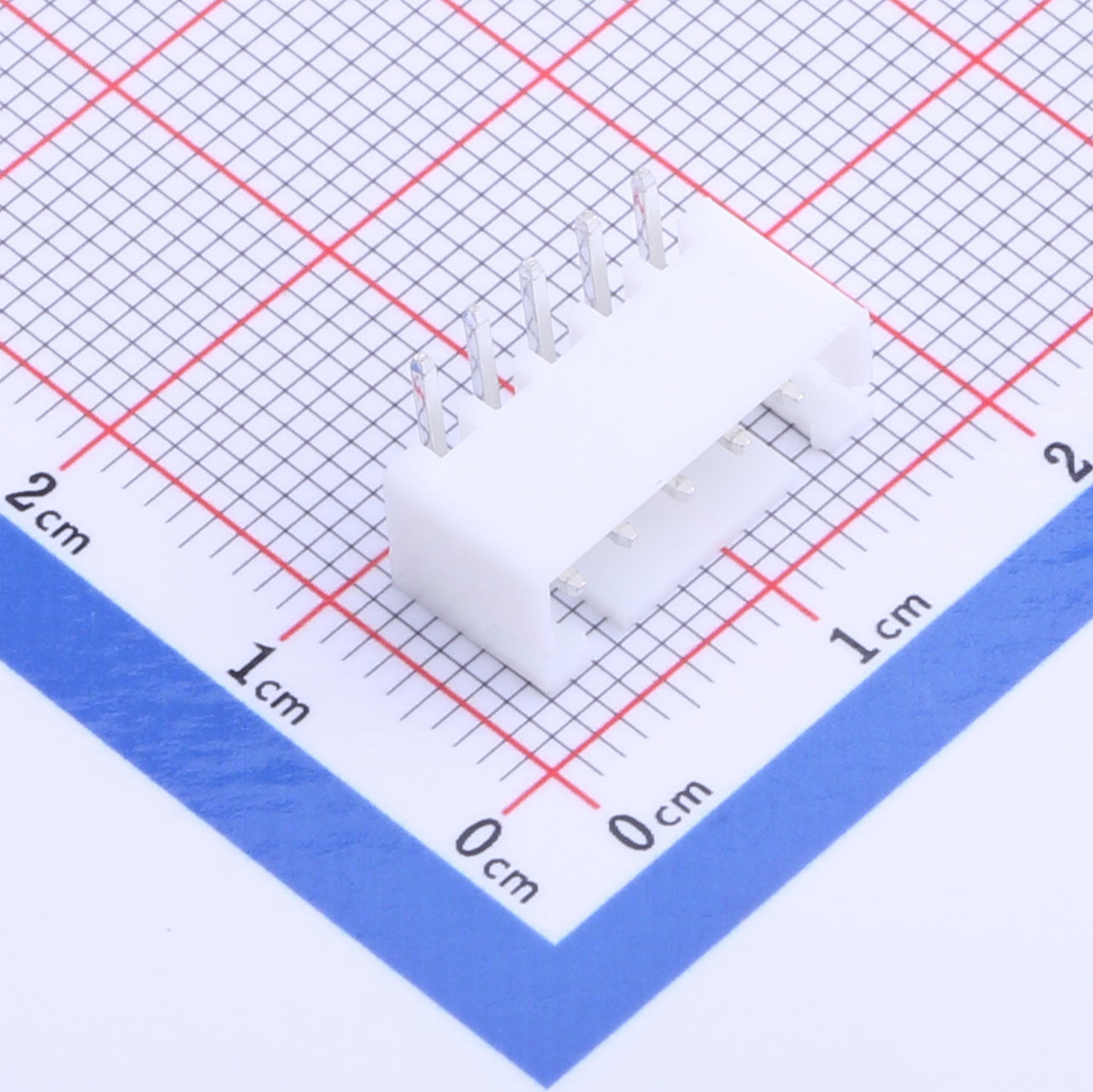
1. Current Rating and Electrical Performance of the XH Connector
Arguably the most fundamental parameter, the current rating defines the maximum continuous electrical current a connector can safely handle. Exceeding this value generates excessive heat, leading to increased resistance, material degradation, and potential catastrophic failure. The standard XH connector is typically rated for 3 A, which is suitable for a vast array of low-power applications. However, engineers must perform a meticulous analysis of the application's maximum and peak current demands. It is not sufficient to consider average load; inrush currents and worst-case scenarios must be factored into the selection process. Furthermore, the voltage rating, commonly 250 V AC, and contact resistance, which should be extremely low (in the milliohms range), are inseparable from the current rating. These factors collectively define the electrical performance envelope of the component.
Understanding Derating for Long-Term Reliability
A prudent design strategy never operates a component at its absolute maximum rating. Implementing a derating policy, such as using the XH connector at only 50-70% of its stated 3 A capacity, significantly enhances long-term reliability. This practice accounts for real-world variables like elevated ambient temperatures inside a device enclosure, which can impair the connector's ability to dissipate heat. By designing with a comfortable margin, teams can ensure stable performance over the entire lifespan of the consumer electronic product, mitigating one of the most common failure points.
2. Mechanical Durability and Latching Mechanism
The physical endurance of an XH connector is paramount, especially in devices subject to assembly, repair, or occasional end-user interaction. The durability is often quantified by the mating cycle specification, which indicates the number of connect-disconnect operations the component can endure before electrical performance degrades. A high-quality XH-style connector should withstand a minimum of 30 mating cycles. The integrity of the latching mechanism is equally critical. This small plastic hook securely locks the header and receptacle together, preventing vibration or cable stress from disconnecting the assembly. A robust, well-designed latch is non-negotiable for product reliability.
Mating Cycle Count: Always verify the manufacturer's specification for mating durability.
Latch Integrity: Physically test samples to ensure the latch does not crack, break, or deform during use.
Polarization: The connector housing must be designed to prevent incorrect mating, a feature that safeguards against reverse insertion and potential short circuits.
3. Material selection and Temperature Compliance
The chemical composition of the housing and contacts directly dictates the performance, safety, and environmental compliance of the XH connector. The housing is typically constructed from PA66 (Nylon 6/6), a robust thermoplastic known for its high melting point and excellent chemical resistance. For the contacts, phosphor bronze is a common material, often plated with a thin layer of tin or gold to ensure low contact resistance and prevent oxidation. The selection of these materials must align with the operating environment of the final product. Furthermore, compliance with international safety standards is not optional. The component must possess a recognized certification, such as UL or TUV listing, guaranteeing it has been tested for flammability resistance (e.g., UL94V-0 rating) to prevent the spread of fire within a device.
4. Terminal Compatibility and Wire Gauge
A seamless and reliable crimp between the terminal and the wire is the foundation of a solid electrical connection. The XH connector system is designed for specific American Wire Gauge (AWG) sizes, most commonly accommodating wires between 22 and 30 AWG. Using a wire that is too thick will prevent proper insertion into the terminal, while a wire that is too thin will result in an insecure crimp with high resistance and low mechanical strength. Procurement teams must ensure that the chosen connector series is perfectly matched to the wire harness specifications. This requires close collaboration with the manufacturing department to confirm that the precise crimping tools and dies specified by the connector manufacturer (such as JST) are available on the production line. Incompatibility at this stage can bring assembly to a complete halt.
5. Supplier Reliability and Supply Chain Stability
The final critical parameter extends beyond the physical product into the realms of logistics and quality assurance. For a high-volume consumer electronics company, selecting a supplier for a ubiquitous component like the XH connector is a strategic decision. The ideal manufacturer is not only one that provides high-quality components but also one with a proven track record of supply chain resilience and consistent quality control. Procurement teams must diligently vet potential suppliers, evaluating their financial stability, manufacturing capacity, and history of on-time delivery. The recent global component shortages have highlighted the severe risk of single-sourcing critical parts. Establishing a relationship with a reputable distributor or qualifying a second source for the XH connector is a essential risk mitigation strategy to prevent production line stoppages.
The Importance of Authentic Components
In a cost-sensitive market, the temptation to source cheaper, generic alternatives is strong. However, this carries significant risk. Counterfeit or off-spec components may fail to meet the stated electrical and flammability ratings, jeopardizing product safety and brand reputation. Partnering with authorized distributors or directly with original manufacturers is the most effective method to guarantee the receipt of genuine, certified parts. This due diligence is a non-negotiable aspect of the procurement process for any critical component.
Conclusion: A Methodical selection Process is Key
selecting the appropriate XH connector is a multifaceted process that demands a collaborative effort between engineering and procurement. It requires a rigorous balance of electrical requirements, mechanical specifications, material science, and supply chain logistics. By systematically evaluating these five critical parameters—Current Rating, Mechanical Durability, Material Composition, Terminal Compatibility, and Supplier Reliability—teams can make informed, data-driven decisions. This meticulous approach minimizes risk, optimizes cost, and ultimately ensures that the final consumer electronic product is reliable, safe, and successful in the marketplace. A robust XH connector choice, though small, is a fundamental building block for a superior product.
Related Recommendations