Service Hotline
Resources

Resources
What Are the Development Trends of RF Connectors?
2026-04-24
130
The development trends of RF connectors are as follows:
1. Miniaturization
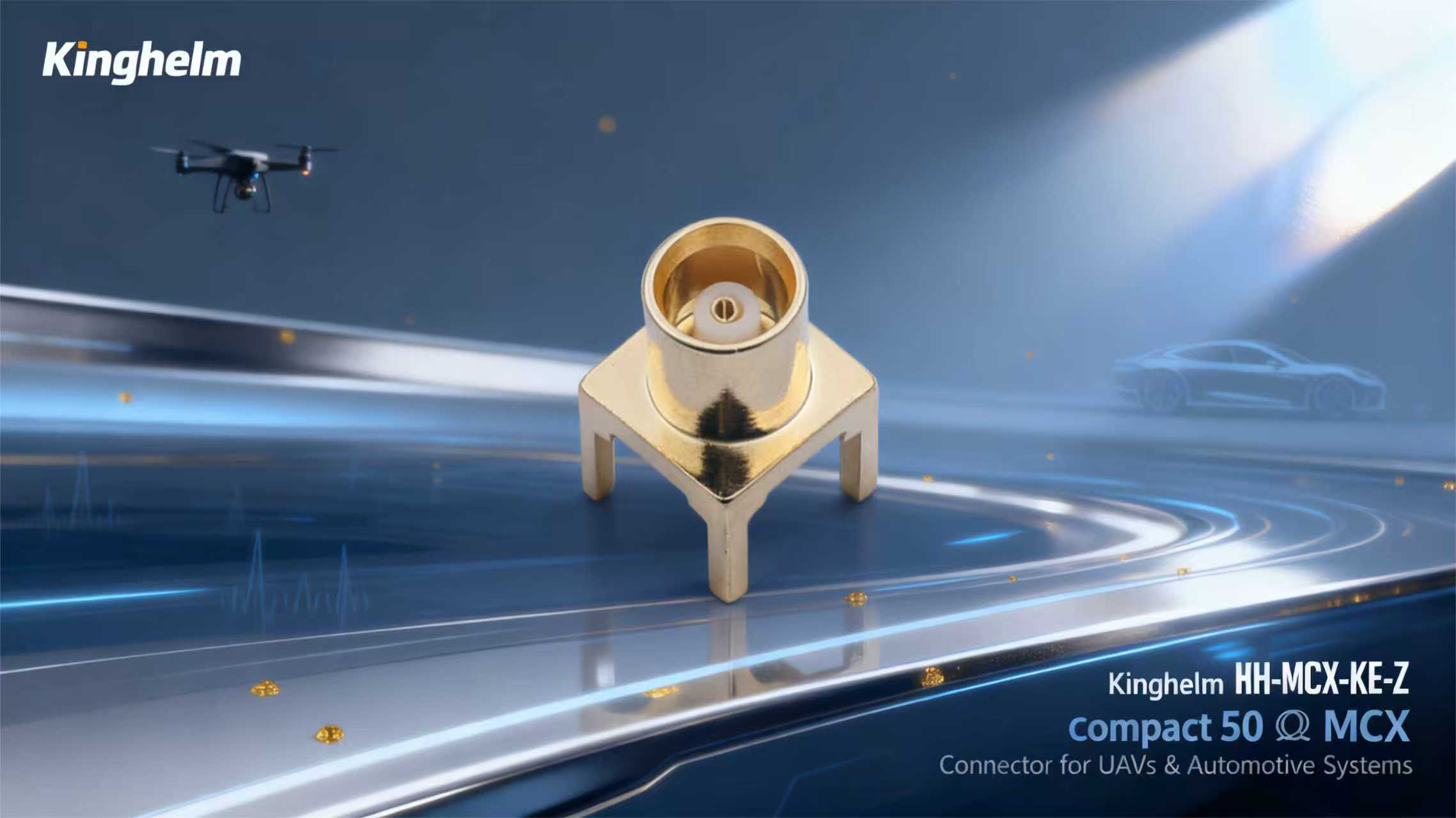
With the miniaturization of complete systems, RF connectors are becoming increasingly smaller in size. Series such as SSMB and MMCX are extremely compact.
2. Higher Frequency
As early as several years ago, HP (USA) introduced RF connectors with operating frequencies up to 110 GHz. In contrast, commonly used domestic products typically operate at frequencies below 40 GHz. Flexible cables generally support frequencies up to 10 GHz, while semi-rigid cables support up to 20 GHz.
3. Multifunctionality
In addition to serving as interconnection components, RF connectors are increasingly integrated with signal-processing functions such as filtering, phase shifting, frequency mixing, attenuation, detection, and limiting.
4. Low VSWR and Low Loss
These characteristics are required to meet the demands of weapon systems and precision measurement applications.
5. High Capacity and High Power
This trend mainly supports the development needs of high-speed information highways and broadband communication systems.
About Kinghelm
Kinghelm is a high-tech enterprise specializing in RF and connectivity solutions. The company offers a wide range of products, including Beidou/GPS antennas, Wi-Fi, Bluetooth, NB-IoT, LORA, Zigbee antennas, RF cables and connectors, board-to-board and plug-in connectors, switches, terminals, and customized automotive and industrial components. With over 17 years of experience, Kinghelm serves industries such as automotive, telecommunications, industrial automation, medical devices, and consumer electronics. Known for durable, reliable components that meet international standards, Kinghelm supports applications ranging from renewable energy to IoT devices.
Related Recommendations