Service Hotline
Resources

Resources
What are the core requirements of connectors in the consumer electronics field?
2026-05-21
397
The core requirements of connectors in consumer electronics are miniaturization, high transmission performance, high reliability, and low cost, while also accommodating the trends of thinner, lighter, and multifunctional products.
Detailed Explanation of Core Requirements
Miniaturization and High Density: Consumer electronics (such as smartphones, earphones, and smartwatches) pursue slim designs. Connectors need to be compact, have high pin density, occupy minimal internal space, and fit within limited installation environments.
High Transmission Performance: Connectors must support high-speed data, high-definition signals, or stable power supply. For example, USB-C connectors support data rates above 10 Gbps, and HDMI 2.1 connectors accommodate 8K video transmission, all while minimizing signal loss and interference.
High Reliability and Durability: Connectors should withstand frequent plugging and unplugging (e.g., charging ports, headphone jacks), maintain stable contact, and resist effects from temperature and humidity changes, vibration, and other daily usage scenarios to prevent poor connections.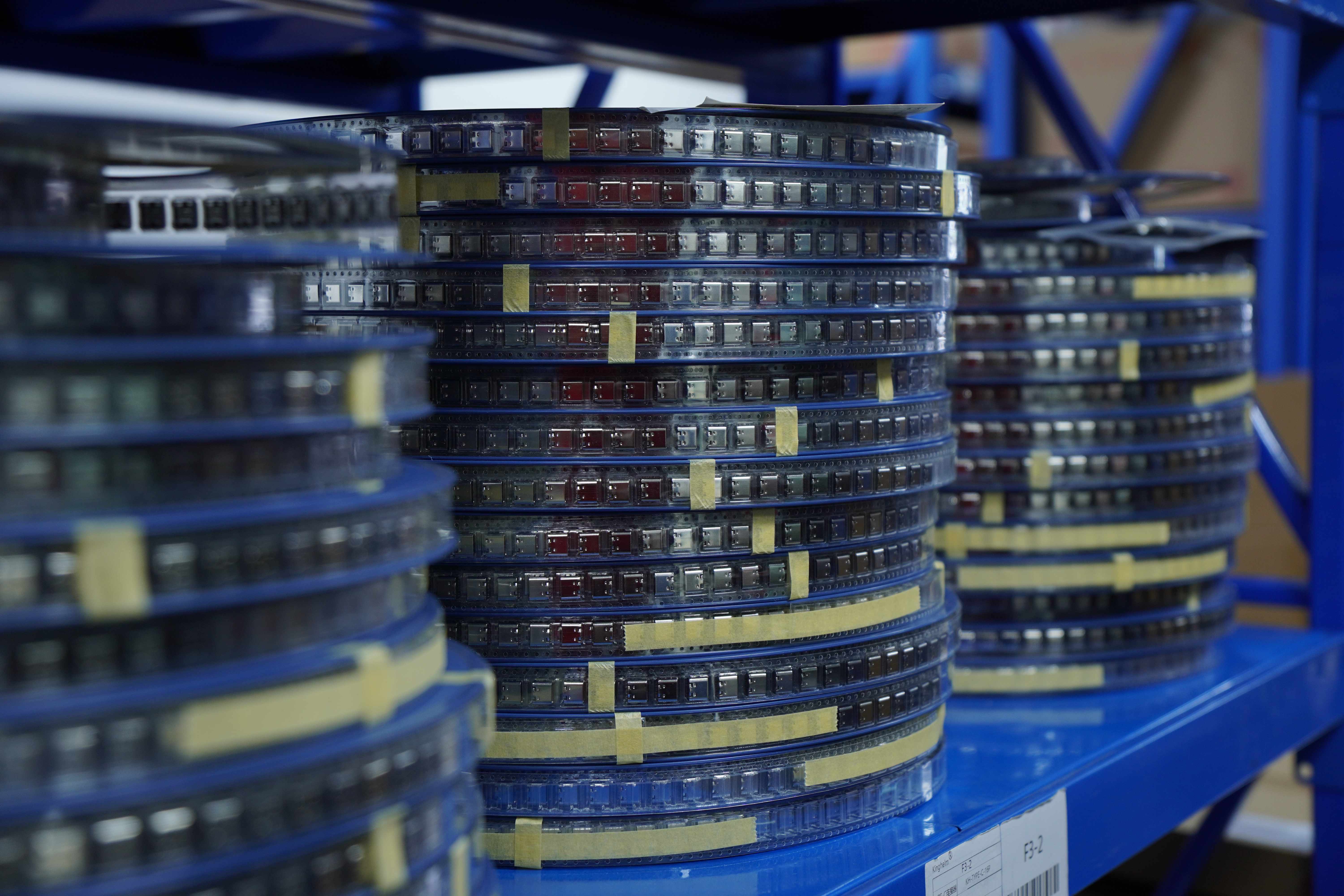
Low Cost and Manufacturability: Consumer electronics are mass-produced, so connectors need mature manufacturing processes, controllable costs, and compatibility with automated assembly lines to improve production efficiency.
Multi-Function Integration: There is a preference for integrated functionality—for example, USB-C connectors simultaneously supporting charging, data transfer, and video output—to reduce the number of product interfaces and enhance user experience.
Related Recommendations