Service Hotline
Resources

Resources
What is the typical contact resistance requirement for connectors?
2026-05-21
411
There is no universal standard for connector contact resistance; it primarily depends on the application and type. Most consumer electronics and general-purpose connectors require ≤100 mΩ, while precision or high-frequency applications require ≤10–50 mΩ.
Typical requirements in different scenarios:
Consumer electronics: General connectors such as USB, HDMI, and headphone jacks typically require contact resistance ≤100 mΩ. Some high-end products tighten this to ≤50 mΩ to ensure stable signal and power transmission.
Industrial and power applications: High-current connectors (e.g., power terminals) require ≤10–50 mΩ to reduce conduction loss and prevent overheating.
Precision and high-frequency applications: RF connectors (e.g., SMA, BNC) and medical device connectors require ≤1–10 mΩ to minimize signal attenuation and interference, ensuring transmission accuracy.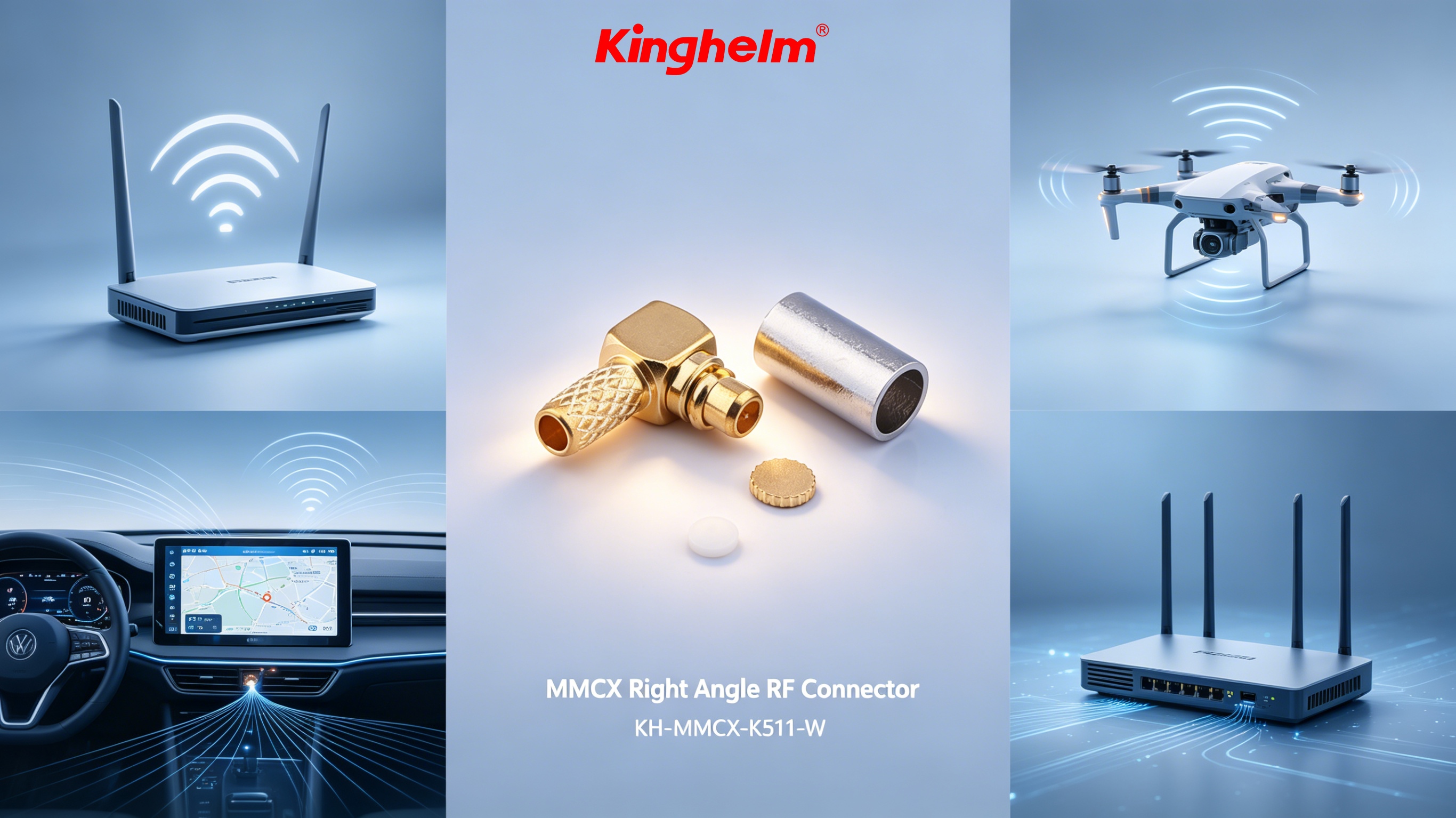
About Kinghelm
Kinghelm is a high-tech enterprise specializing in RF and connectivity solutions. The company offers a wide range of products, including Beidou/GPS antennas, Wi-Fi, Bluetooth, NB-IoT, LORA, Zigbee antennas, RF cables and connectors, board-to-board and plug-in connectors, switches, terminals, and customized automotive and industrial components. With over 17 years of experience, Kinghelm serves industries such as automotive, telecommunications, industrial automation, medical devices, and consumer electronics. Known for durable, reliable components that meet international standards, Kinghelm supports applications ranging from renewable energy to IoT devices.
Related Recommendations