Service Hotline
News

News
How does plating affect connector performance?
2026-05-21
401
Plating directly determines the contact reliability, lifespan, and stability of connectors. Its core impact lies in conductivity, corrosion resistance, and wear resistance.、
Key effects of plating on connector performance:
Contact resistance and conductivity: Precious metal platings like gold and silver have high conductivity, reducing contact resistance (gold plating can reach mΩ level) and ensuring stable signal and current transmission. Copper alloy substrates with tin or nickel plating have slightly higher resistance than gold but are sufficient for general applications.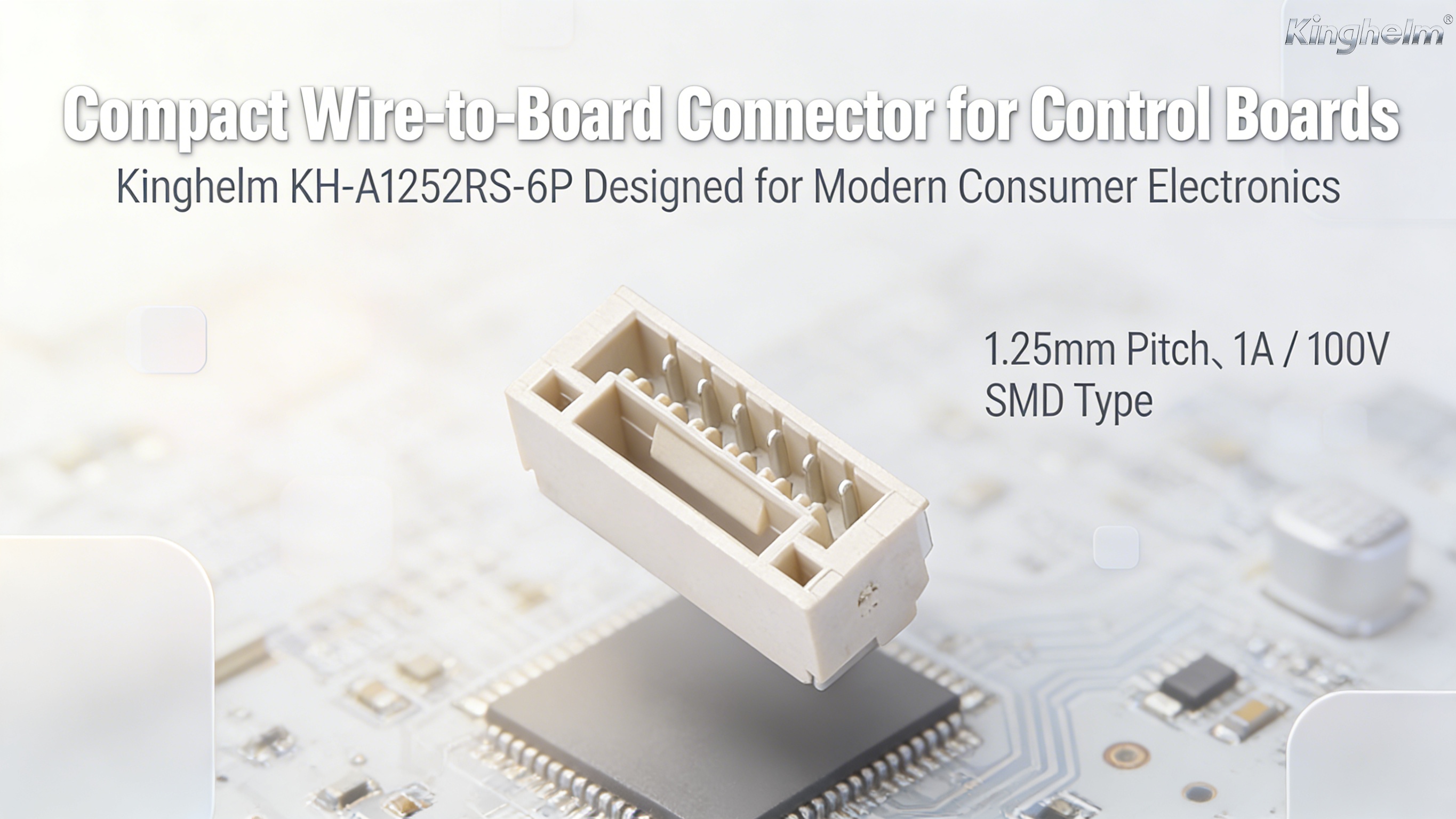
Corrosion resistance and environmental adaptability: Plating isolates the base material from air, moisture, and chemicals to prevent oxidation and rust. Gold and palladium-nickel platings offer the strongest corrosion resistance, suitable for harsh environments. Tin plating oxidizes easily in humid conditions and usually requires sealing.
Wear resistance and mating durability: Hard platings (e.g., nickel underplate + gold or palladium) improve surface hardness, reduce wear during insertion/removal, and extend lifespan (can withstand thousands to tens of thousands of cycles). Pure tin plating is softer and may wear over frequent use, potentially causing “tin whiskers” and unstable contact.
Compatibility and cost balance: Different platings suit different scenarios. Gold offers the best performance but high cost, mainly for precision or high-frequency connectors. Tin and nickel are cost-effective, suitable for consumer electronics and general industrial applications.
Related Recommendations