Service Hotline

Search Center

Search Center

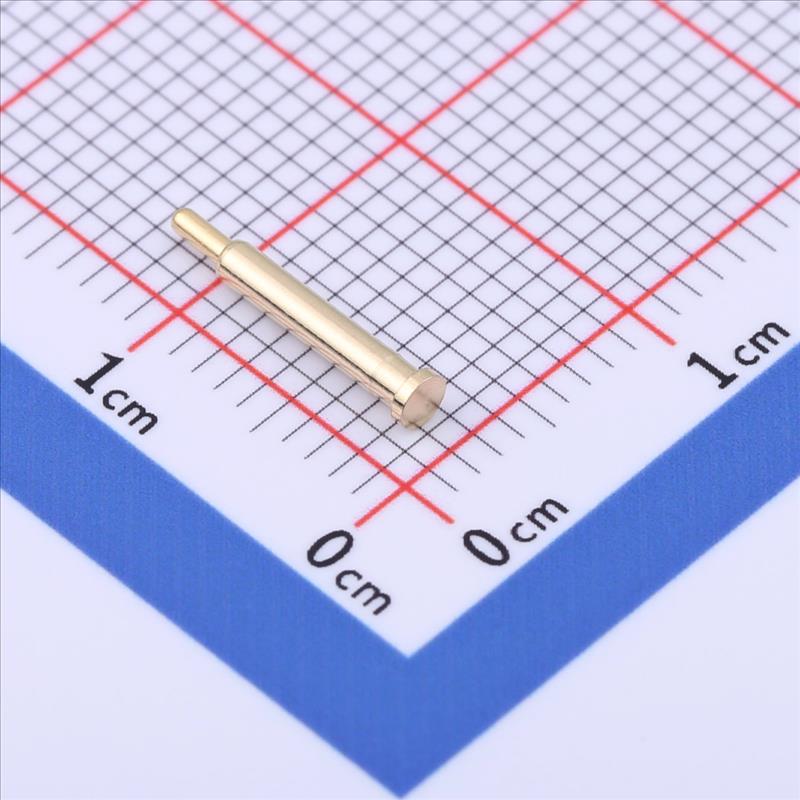
Kinghelm Thimble Pogo Pin Connector KH-PG2011005-DZ: Precision Design, Wide Applications
2024-12-07
709
The Thimble Pogo Pin connector is widely used in various electronic devices and circuit boards due to its simple structure, high reliability, and ease of operation. It not only ensures stable electrical transmission but also maintains excellent performance in high-frequency, high-speed environments, where higher performance is required. The Kinghelm KH-PG2011005-DZ Thimble Pogo Pin connector, with its outstanding performance and wide application scope, has become a trusted choice for numerous industry users.
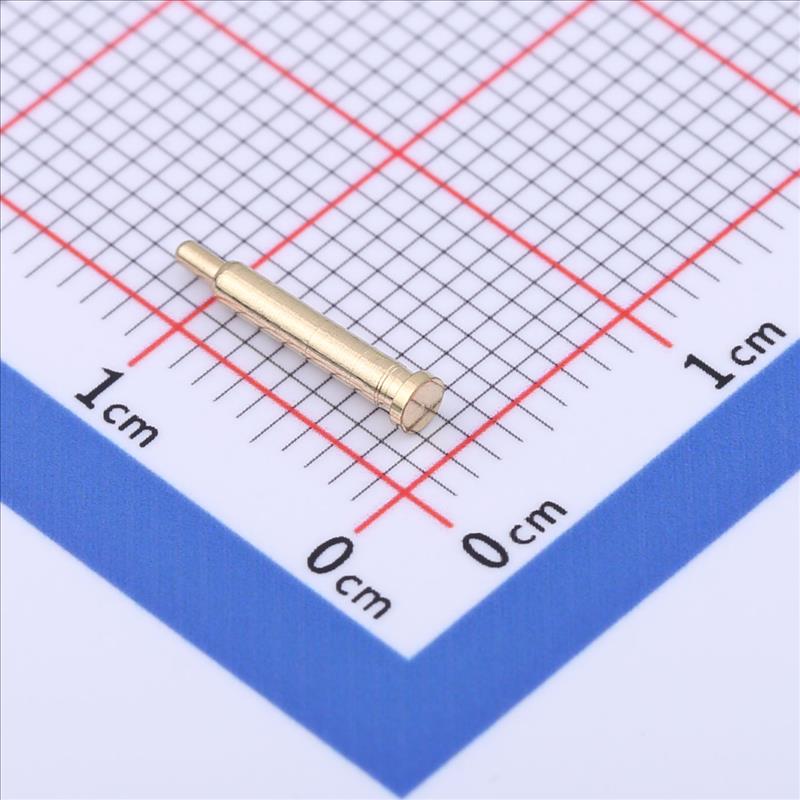
Kinghelm Pogo Pin Connector KH-PG2010505-DZ: Precise Connection, Efficient Production
2025-02-04
1098
In modern industrial production, connectors play a pivotal role as essential components in electronic devices, machinery, and automotive parts. They not only carry the task of transmitting currents and signals but are also directly related to product performance, stability, and safety. Today, we introduce to you the Kinghelm KH-PG2010505-DZ Pogo Pin Connector from the Kinghelm brand, a high-quality product that combines high strength, durability, precise connection, and multifunctionality.
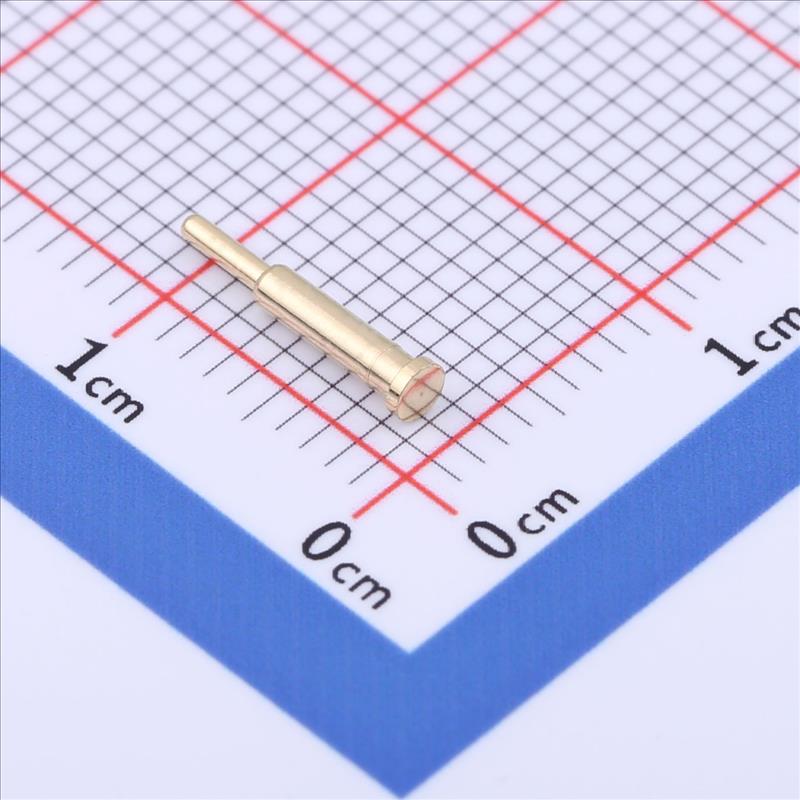
Kinghelm Pogo Pin KH-PG2010005-DZ: A High-Performance Spring Probe Connector for Precision Applications
2025-03-11
1164
In modern industrial manufacturing, Pogo Pins (Spring Probe Connectors) play a critical role in ensuring stable and efficient electrical connections. Widely used in PCB testing, electronic assembly, communication devices, and semiconductor manufacturing, the quality and performance of Pogo Pins directly impact product reliability and operational efficiency. Today, we introduce the highly acclaimed Kinghelm KH-PG2010005-DZ Pogo Pin, a superior choice known for its exceptional conductivity, durability, and precision engineering.
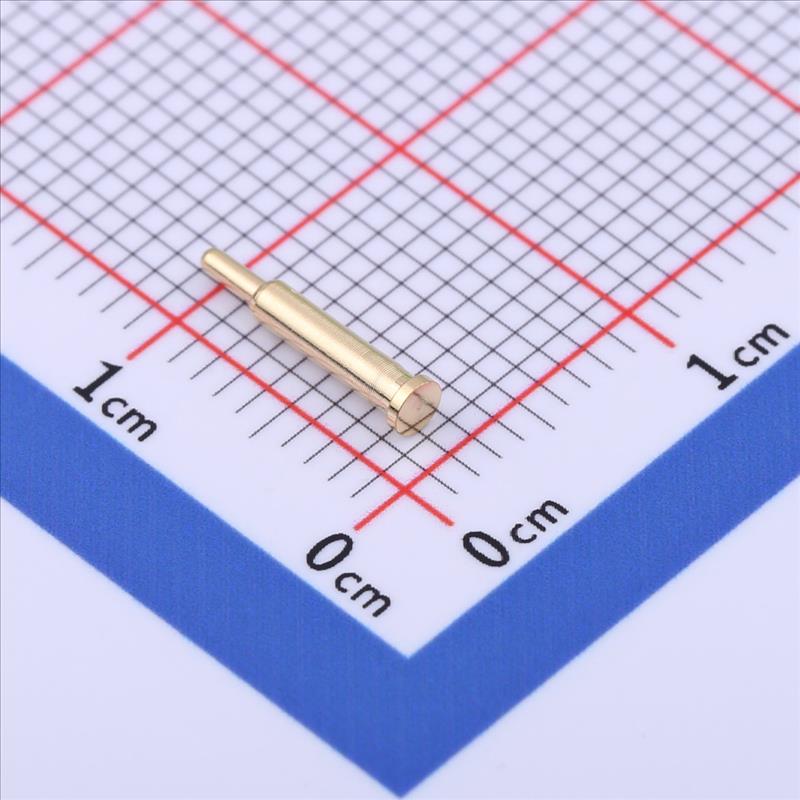
Kinghelm Pogo Pin KH-PG209505-DZ: A Key Component in Precision Manufacturing
2025-03-11
776
In the field of precision electronics and automation, every detail matters. The Kinghelm KH-PG209505-DZ Pogo Pin (Spring Probe Connector) stands out as a high-precision, high-reliability component, playing a crucial role in PCB testing, automated equipment, and precision assembly.
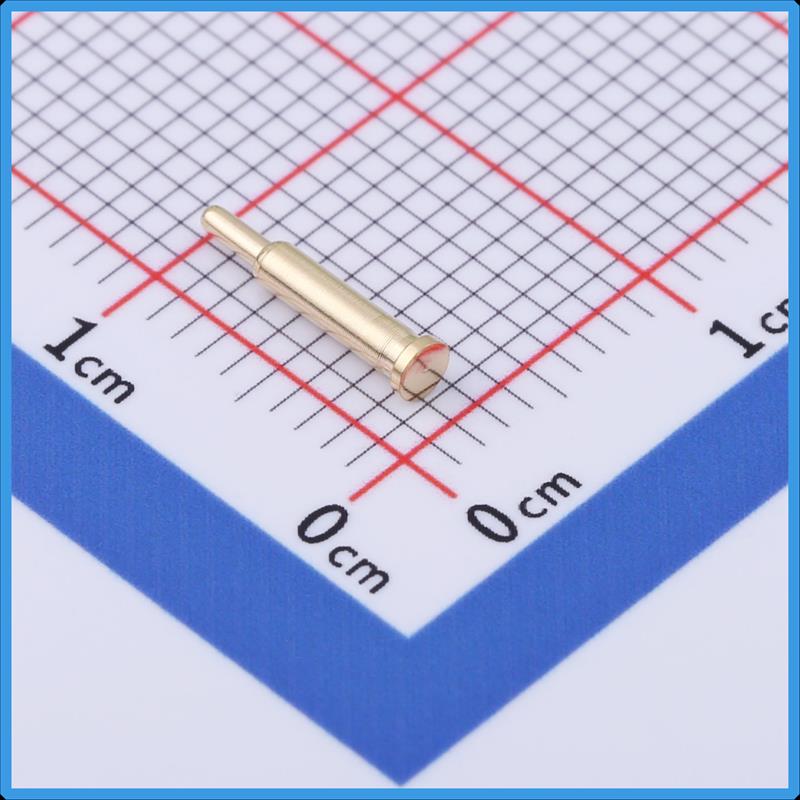
Kinghelm Pogo Pin Spring Probe Connector KH-PG209005-DZ: High-Performance Pin Connector Empowering Diverse Applications
2025-07-10
951
In modern industries such as electronics, machinery, and automotive, the Kinghelm KH-PG209005-DZ Pogo Pin spring probe connector stands out as a preferred solution thanks to its outstanding performance and reliability. As one of Kinghelm’s flagship products, the KH-PG209005-DZ pin connector features a compact design and optimized materials and craftsmanship, ensuring stable and durable performance even under demanding environmental conditions. This article explores the advantages and application value of this high-performance pin connector, helping more users discover why it’s an excellent choice.
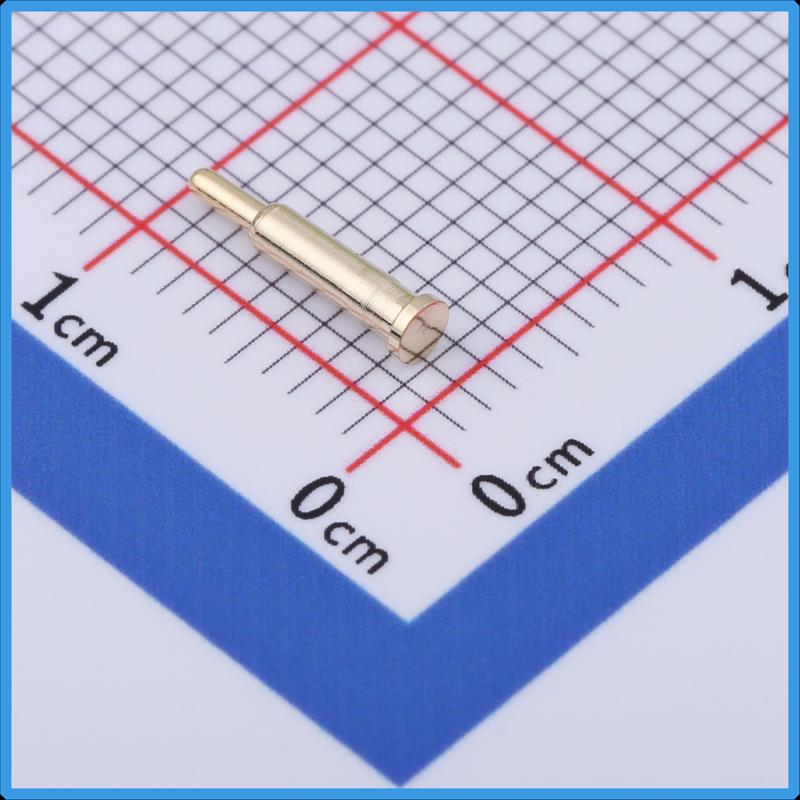
Kinghelm Pogo Pin Spring Probe Connector KH-PG208505-DZ: An Ideal Choice for Lightweight Design and High Solderability
2025-07-10
769
In modern electronics manufacturing and smart device industries, Pogo Pin spring probe connectors play an essential role. As key components for electronic testing, charging docks, PCB connections, and signal transmission, they are known for their simple structure, reliable contact, and ability to withstand repeated insertions. The application scope of Pogo Pins is remarkably broad—from smartphones and wearable devices to automotive electronic testing equipment and complex industrial automation test fixtures. Their core advantage lies in delivering consistent pressure through a spring mechanism, ensuring stable and repeatable electrical connections, which effectively enhances overall device performance and lifespan.
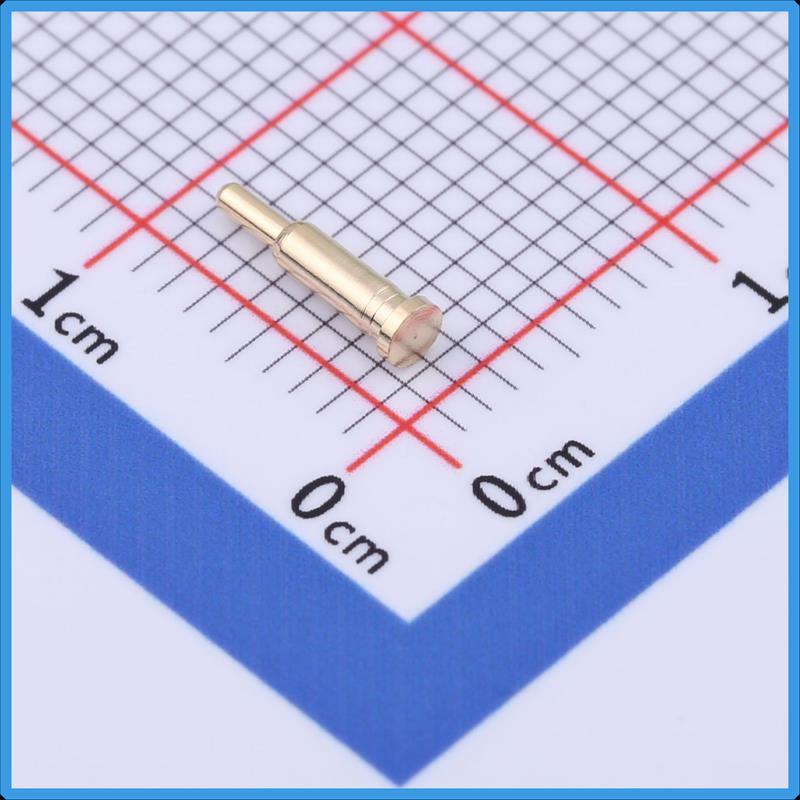
Kinghelm Pogo Pin KH-PG207505-DZ: High Elasticity, Corrosion Resistance, and Stable Conductivity Spring Probe Connector
2025-07-11
972
Mr. Song Shiqiang, General Manager of Kinghelm Electronics, has long been dedicated to driving innovation and upgrades in connector products, especially accumulating rich experience in the field of POGO Pin spring probe connectors. Thanks to their simple structure, compact size, long service life, and stable electrical performance, POGO Pin connectors are widely used in consumer electronics, smart wearables, automotive equipment, medical instruments, and many other industries. Compared with traditional plug-in connectors, POGO Pins offer lower contact resistance and better vibration resistance, ensuring reliable connections even under frequent use or complex environments. As a high-performance pogo pin product under Kinghelm, the KH-PG207505-DZ embodies these advantages to meet modern electronics’ demand for highly reliable connections.
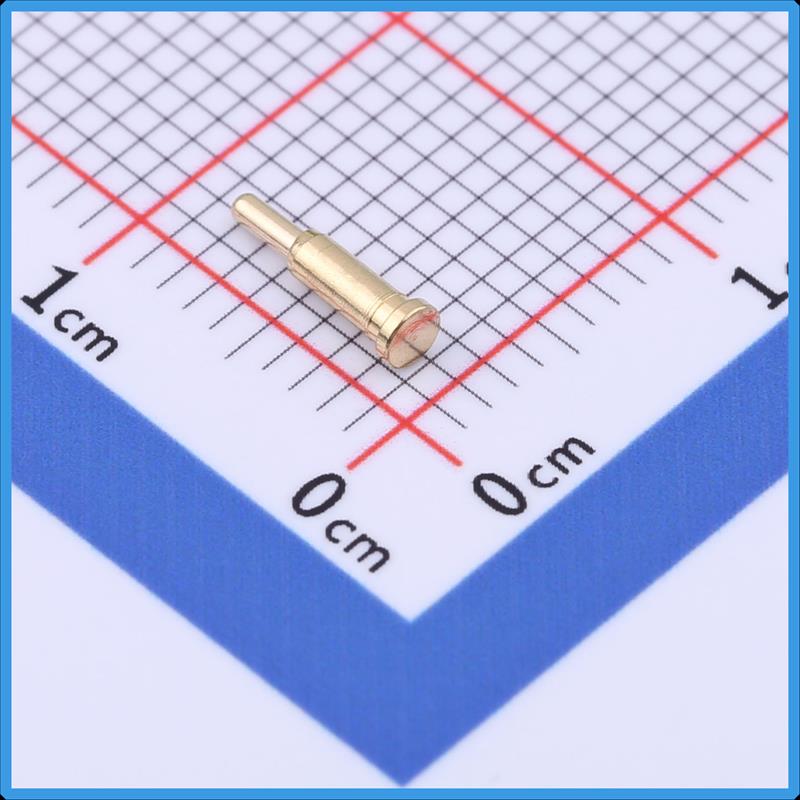
Kinghelm Pogo Pin Spring Probe Connector KH-PG207005-DZ: A Compact and Reliable Solution for Stable Connections
2025-07-11
995
In modern electronic connectivity solutions, POGO Pin spring probes have become an ideal choice in precision fields such as smart hardware, communication equipment, and medical instruments, thanks to their outstanding conductivity and structural advantages. Mr. Song Shiqiang, General Manager of Kinghelm Electronics, notes that the KH-PG207005-DZ model, as a representative Pogo Pin spring probe connector under the Kinghelm brand, stands out with its compact 7.0mm length, excellent electrical performance, and superior corrosion resistance. Even within tight spaces, it ensures highly efficient and stable electrical connections to meet practical demands for high-density layouts and frequent mating cycles.
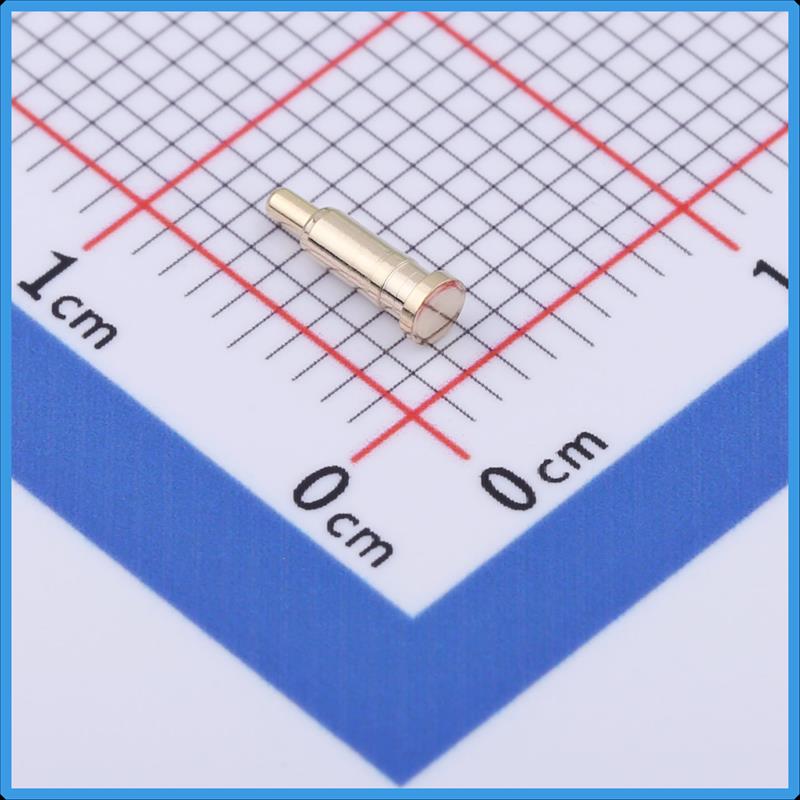
Kinghelm Advantages and Reliable Performance of Pogo Pin Spring Probe Connector KH-PG206005-DZ
2025-07-14
1081
Kinghelm KH-PG206005-DZ Pogo Pin spring probe connector stands out in the field of precision electronic connectors as a high-performance product highly favored by manufacturers of various smart devices. With a pin length of 6.0mm, this connector uses a high-conductivity brass alloy barrel and tip. It excels not only in miniaturization but also in connection reliability and durability.
Kinghelm Pogo Pin Spring Probe Connector KH-PG205505-DZ: A Reliable and Precisely Engineered Connectivity Solution
2025-07-14
813
The Pogo Pin spring probe connector KH-PG205505-DZ, developed by Kinghelm, is a high-performance connector specifically designed for advanced electronic devices. With a pin length of just 5.5mm, it combines a compact structure with outstanding performance. This model features a brass alloy barrel and tip, ensuring excellent electrical conductivity and mechanical strength. It can continuously carry a 1A current and supports an operating voltage below 12V@25℃, making it an ideal choice for applications that demand compact size and high reliability. Compared to traditional connectors, the key advantages of Pogo Pin spring probes include strong contact elasticity, wear resistance, compact design, and easy assembly. These make them especially suitable for electronic products that require frequent mating or have limited space, such as smartwatches, medical devices, mobile communication equipment, and automotive electronics.
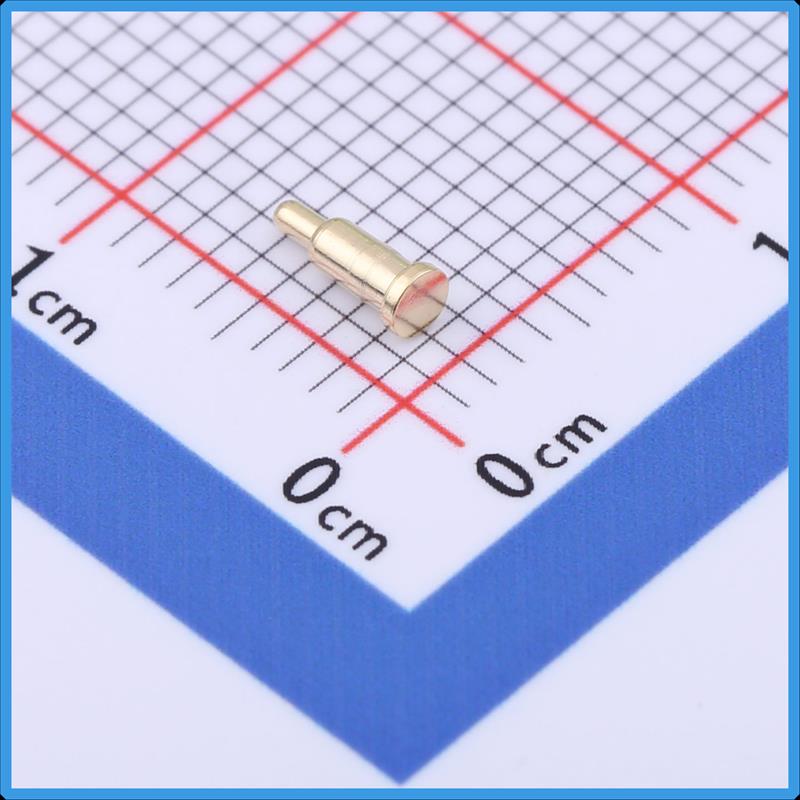
Kinghelm Pogo Pin Spring Probe Connector KH-PG205005-DZ: Compact High-Performance Solution for Reliable Low-Voltage Connections
2025-07-15
1252
In today’s rapidly evolving electronics industry, efficient and stable electrical connections are more critical than ever. Kinghelm proudly presents the KH-PG205005-DZ Pogo Pin spring probe connector, a product renowned for its compact design, excellent conductivity, and durable craftsmanship. Engineered specifically for low-voltage, low-current applications, this connector has proven itself across various industries as an ideal choice when both space constraints and high reliability are required. With an overall length of just 5.0mm, the KH-PG205005-DZ is built from premium brass alloy barrels and pins, paired with a precision-engineered spring mechanism to ensure stable contact performance and a long service life.
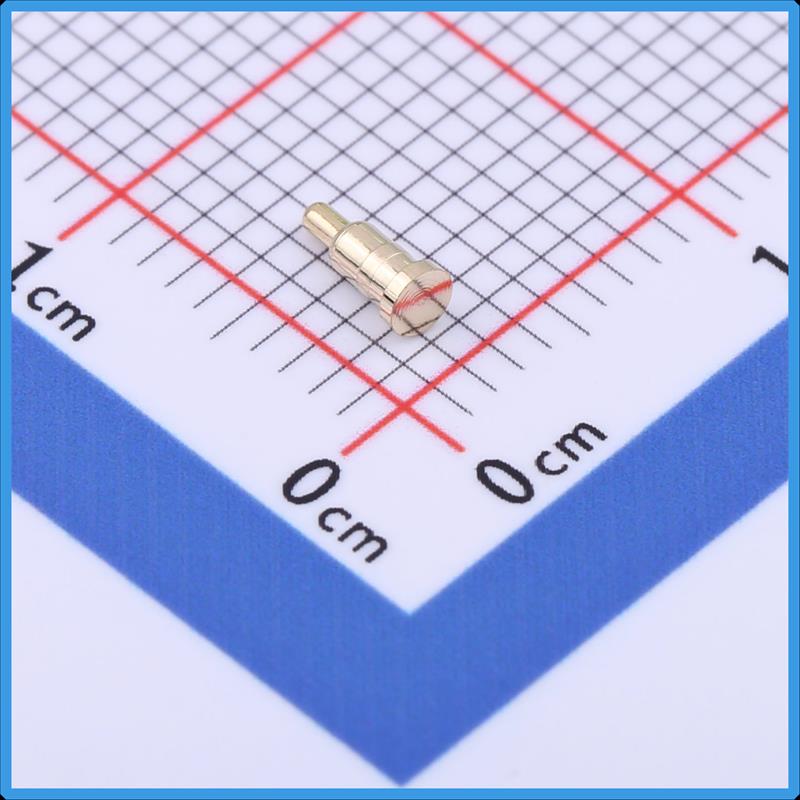
Kinghelm Pogo Pin Spring Probe Connector KH-PG204505-DZ: Compact Yet Powerful, More Reliable Connections
2025-07-15
1043
As electronic devices continue to evolve toward miniaturization and lightweight design, a seemingly small Pogo Pin spring probe connector often plays a vital role. The Kinghelm KH-PG204505-DZ is exactly such a product: modest in appearance yet exceptional in performance. With its compact length of just 4.5mm and high-quality brass alloy construction, this spring-loaded pin connector has become a popular choice across smart hardware, wearable devices, automotive electronics, medical equipment, and more. Though small in size, it delivers impressive capability: a continuous working current of up to 1A and an operating voltage below 12V@25℃, ensuring stable operation in low-voltage, low-current scenarios. Plus, it has passed salt spray testing (5% salt solution, 24 hours without corrosion), proving its remarkable corrosion resistance for reliable connections even in humid or dusty environments.
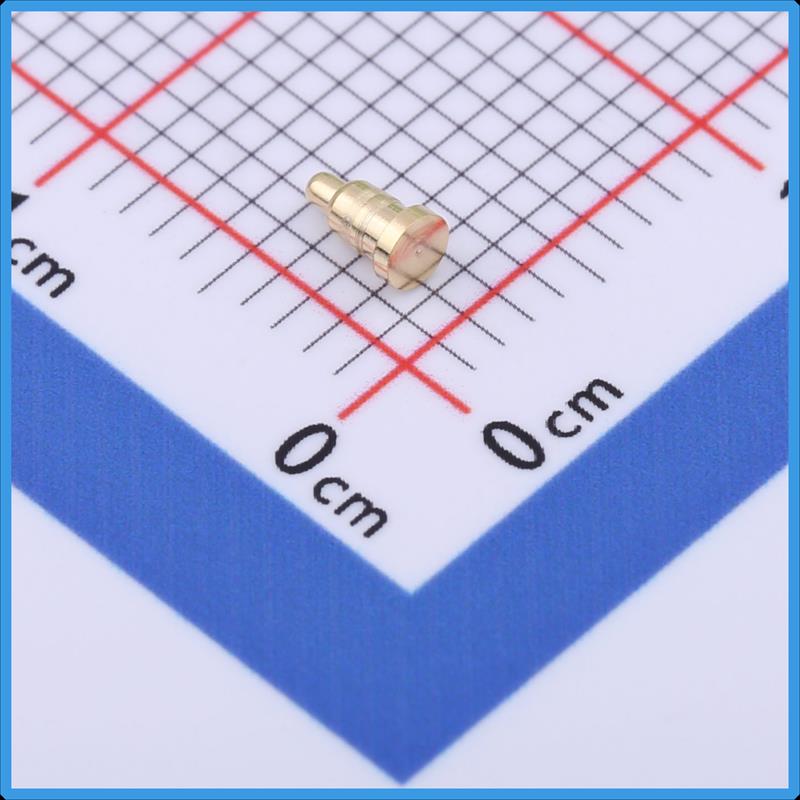
Kinghelm Pogo Pin Spring Probe Connector KH-PG203505-DZ: A Compact, Durable, and Highly Conductive Choice
2025-07-16
1091
Pogo Pins, also known as spring probes, are high-performance connectors that achieve reliable electrical contact through an internal precision spring mechanism. Based on the shape of the tip and different application needs, Pogo Pins can be categorized into several types: the most common include dome-shaped, flat-head, and blade-type, as well as special variants such as long pins, short pins, high-current pins, double-ended pins, and side-entry pins. Each type is designed to meet varying requirements for installation space, current capacity, and contact performance, serving the modern demands of miniaturization, high-density wiring, and high reliability in electronic devices. KH-PG203505-DZ, launched by Kinghelm, is a representative model that stands out for its compact 3.5mm length, excellent conductivity, and superior corrosion resistance—making it a popular choice in many precision electronics.
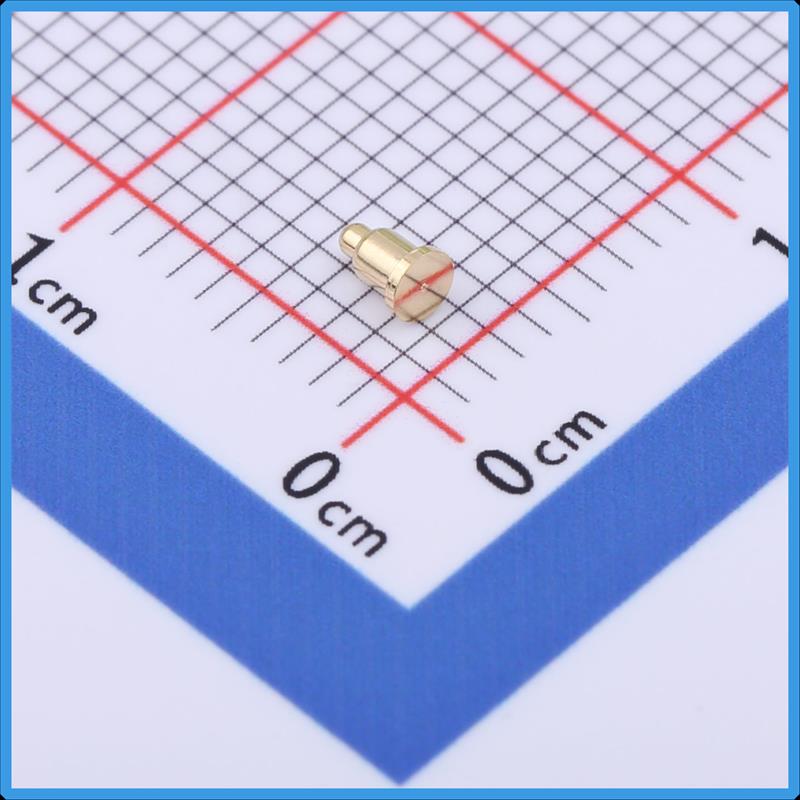
Kinghelm Pogo Pin Spring Probe Connector KH-PG203004-DZ: The Perfect Blend of Compact Design and Exceptional Reliability
2025-07-16
896
With modern electronic products trending toward miniaturization and high integration, Pogo Pin spring probe connectors have become a highly efficient and flexible connection solution. They are widely used in smart wearables, mobile communications, industrial control systems, automotive electronics, and more. Depending on structural and functional differences, Pogo Pins can be classified into single-pin, multi-pin, double-ended, turned-pin, SMT type, and positioning-post variants—each designed to meet specific needs for contact reliability, durability, and space constraints.
Among them, the KH-PG203004-DZ model by Kinghelm stands out thanks to its ultra-compact 3.0mm length, excellent conductivity, and strict environmental adaptability testing, delivering higher stability and longer service life. It has become the preferred connector choice in many high-end electronic applications.
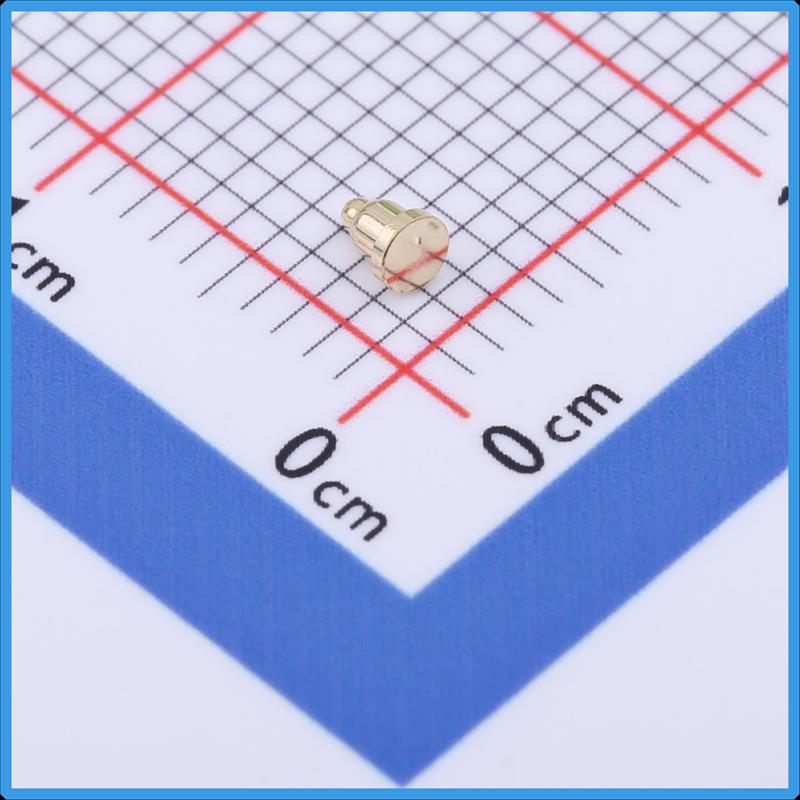
Kinghelm Pogo Pin Spring Probe Connector KH-PG202504-DZ: Compact and Durable, Precision Connectivity
2025-07-17
724
In today’s fast-evolving electronics industry, compact and stable electronic components have become the “silent heroes” behind innovative products. Among them, the Pogo Pin (spring-loaded probe) stands out for its excellent retractable design and reliable conductivity, making it a preferred solution for connections in smartphones, wearables, automotive devices, and medical instruments. Pogo Pins come in various types: single pins for basic testing, double-ended pins for dual-side contact, and designs with positioning rings or waterproof structures — covering virtually all complex and precision electrical connection scenarios.Among these, the Kinghelm KH-PG202504-DZ model has emerged as the ideal choice for engineers and manufacturers, thanks to its compact design and superior performance.
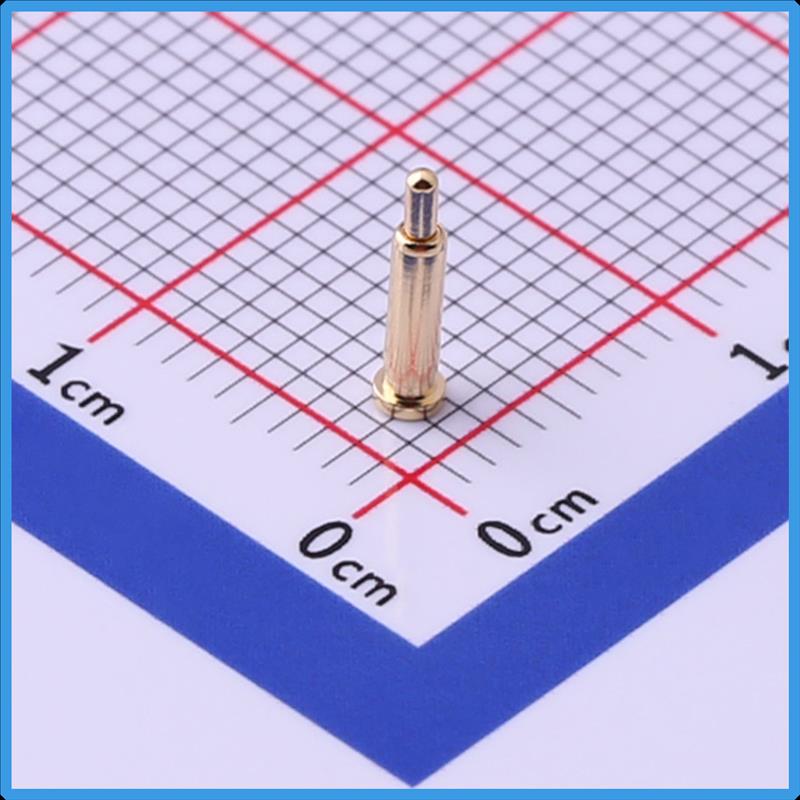
Kinghelm Pogo Pin Spring Probe Connector KH-205580-DZ: A Preferred Choice for High Precision and Reliability
2025-07-28
783
Amid the growing demand for precision electronic connections, the Pogo Pin Spring Probe Connector KH-205580-DZ stands out with exceptional performance and stable quality, becoming the trusted choice of many electronic design engineers and manufacturers. As a premium product launched by the renowned brand Kinghelm, KH-205580-DZ features a compact structure, scientific design, and multiple advantages that meet diverse connection needs across various scenarios.
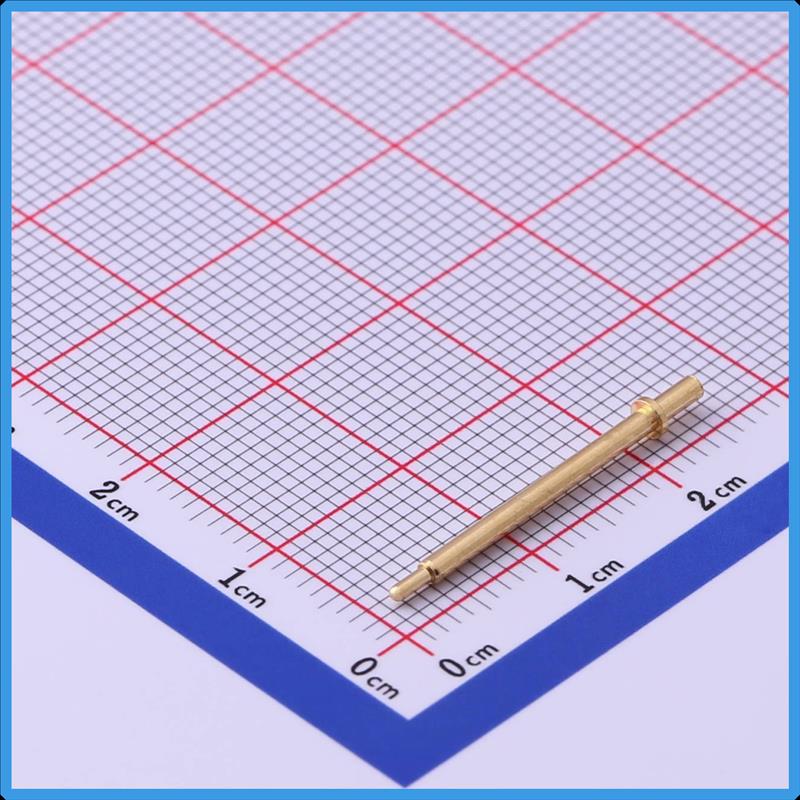
Kinghelm Antenna Pogo Pin KH-25178243-DZ: A Stable and Reliable Pogo Pin Spring Probe Connector
2025-07-28
786
In today’s rapidly evolving electronics industry, the quality and performance of connectors are critical to ensuring the stable operation of entire systems. The Kinghelm Antenna Pogo Pin KH-25178243-DZ, as a premium Pogo Pin Spring Probe Connector, leverages excellent craftsmanship and technical advantages to play an indispensable role across consumer electronics, communication equipment, and automotive electronics. This article provides an in-depth look at the core strengths of the Kinghelm KH-25178243-DZ, focusing on its structure, performance benefits, and application prospects.
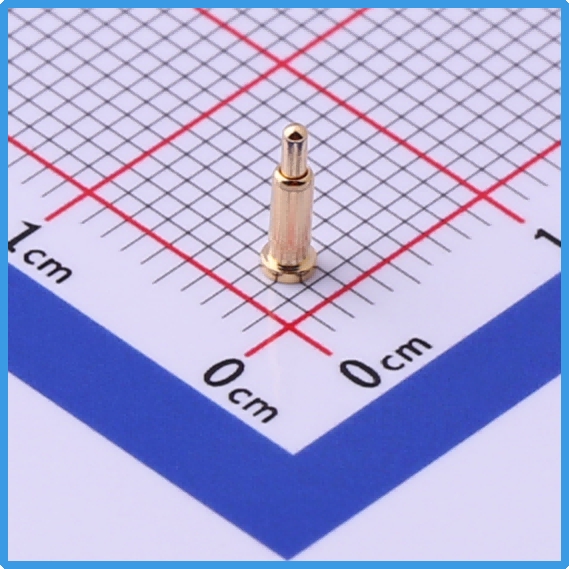
Kinghelm Micro Pogo Pin Connector KH-204065-DZ: A Reliable Choice for Compact Device Connectivity
2025-10-20
283
In the realm of electronic connectivity, pogo pin connectors play a vital role across various devices. The KH-204065-DZ, a product from Kinghelm, is a micro pogo pin connector designed specifically for high-frequency mating cycles, with a length of 6.5mm. This makes it ideal for applications with stringent space constraints. Its primary function is to ensure stable electrical contact while maintaining consistent performance over extended use, catering to industries like consumer electronics and telecommunications. The spring-loaded mechanism enables it to handle repeated connections and disconnections without compromising contact reliability.
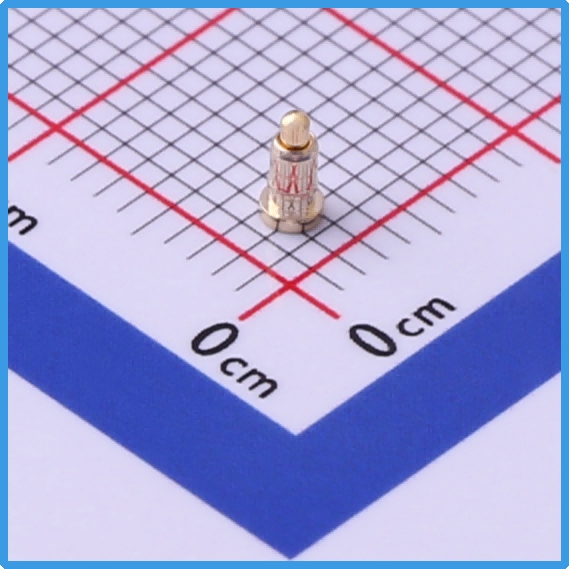
Kinghelm Ultra-Micro Pogo Pin Connector KH-102540-DZ: Precision Connectivity for Ultra-Compact Devices
2025-10-20
244
As electronic devices trend toward greater miniaturization, the demand for compact, high-performance connectors has surged. The KH-102540-DZ, a Kinghelm-branded ultra-micro pogo pin connector, stands out with its 4mm length and exceptional electrical performance. Designed for high-frequency mating cycles, it offers reliable connectivity in space-constrained environments, making it a go-to solution for applications in wearables, medical electronics, and micro-communication modules.
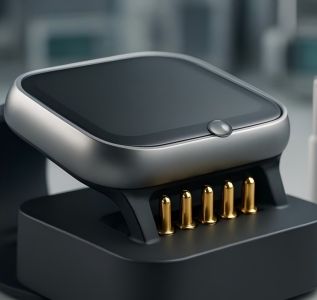
Pogo pin charging dock reliability guide for test engineers
2026-03-03
1111
Daily charge cycles, sweat, pocket lint, and casual abuse make wearable charging docks one of the harshest "small" interfaces in consumer electronics. If your goal is 100k to 1M reliable mates, you need more than a spec sheet—you need repeatable tests, tight acceptance criteria, and maintenance habits that hold up on the line and in the field. This guide, written from a manufacturing and reliability perspective, shows how to qualify and sustain pogo-pin docks for long life without guesswork.
Key takeaways
l Target and measure what matters: four-wire contact resistance, drift over life, spring force retention, working stroke margin, and temperature rise under load.
l Anchor your plan to recognized methods: durability, contact resistance, and current-carrying capacity from the IEC 60512 series, plus salt mist per IEC 60068-2-11 for sweat-like corrosion.
l For sweat-exposed wearables, prefer gold-over-nickel plating with functional thickness around 50–100 µin as a starting point, validated by salt fog and biased cycling.
l Practical starting criteria: initial contact resistance ≤20–30 mΩ, ΔR ≤20 mΩ after 100k cycles, nominal force per pin ~0.8–2.0 N with ≥80% retention at 100k, and ≤20–30 °C rise at rated current after 30 minutes steady-state.
l Production success depends on process: incoming AQL checks, in-line SPC on resistance and alignment, and a simple cleaning SOP keep fixtures and docks on-spec.
What reliable means for wearable docks
Reliability is not an abstract promise; it is a set of measurable limits you can verify at the bench and monitor in production. Here is a concise acceptance matrix to tune for your product and supplier. Treat these as starting values to be confirmed against your chosen pogo part numbers and real data.
Metric
Target at start of life
Target over life
Contact resistance (4-wire, 100 mA)
≤20–30 mΩ preferred; ≤50 mΩ acceptable for very small pins
ΔR ≤20 mΩ after 100k; aim to keep absolute R <100 mΩ through intended life
Spring force at working height
0.8–2.0 N per pin typical for wearables
≥80% retention after 100k cycles
Working stroke
0.5–1.0 mm recommended
≥0.3 mm headroom to avoid bottoming at full compress
Temperature rise at rated current
Define per design current
≤20–30 °C after 30 minutes steady-state
Environmental corrosion and wear
Visual: no red rust on functional surfaces
Post-exposure resistance within limits
These values align with widely used connector tests in the IEC 60512 series for durability, contact resistance, and current-carrying verification, and environmental exposures such as salt mist in IEC 60068-2-11.
Design choices that pay off across 100k to 1M cycles
Think of long life as a budget: every mating cycle spends a bit of plating, spring preload, and alignment tolerance. Good design spends wisely.
l Geometry and alignment: Use guiding chamfers or a shallow pocket with magnet assist to land pins within their sweet-spot stroke. Set the nominal working stroke around the mid-travel, not near bottoming.
l Spring force: For compact wearables, 0.8–2.0 N per pin balances consistent contact resistance with manageable user force. Confirm force at the working height, not only at full travel, and specify retention after cycling.
l Plating system: Default to gold over nickel for low resistance and corrosion protection. For high-cycle docks, functional gold thickness in the 50–100 µin range (with a robust nickel underlayer) is a practical starting point; validate thickness and hardness with your supplier and tests.
l Current path and heat: If you need higher charge currents, distribute load across multiple pins in parallel and verify temperature rise under continuous current. Keep the mechanical stack rigid enough to maintain uniform compression under load.
l Sealing and contaminants: If the wearable or dock claims water resistance, prioritize gasket design, drainage paths, and keepout zones that prevent standing moisture around the contacts.
Lab protocol for pogo-pin lifecycle testing
Use a protocol you can reproduce in any lab and explain in an audit. The goal is to correlate changes in contact resistance and force with visible wear and environmental stress.
1. Build or commission a cycling fixture that controls alignment and stroke. Set nominal working stroke (for example 0.7 mm) at the dock’s mechanical center, with 250–500 ms dwell at compression and 10–20 cycles per minute.
2. Instrument the DUT with four-wire Kelvin measurement at a defined current, such as 100 mA. Log resistance at a fixed compression point every 1k–5k cycles, and capture min/mean/max.
3. Add a periodic spring-force check using a calibrated force gauge at the working height. Record force retention trends.
4. Inspect under magnification for debris, plating wear, and bent or sticking pins at defined intervals. Clean only per your maintenance SOP to avoid masking early failures.
5. At milestone counts—say 100k, 250k, 500k, and 1M—run a steady-state current test and log temperature rise at the hottest point.
When you document, state the standard method names you’re aligning to for durability and resistance. Referencing the IEC 60512 series for durability and contact resistance clarifies expectations for reviewers and suppliers.
Environmental conditioning and combined stress
Pogo pins in wearables face sweat chemistries, humidity, temperature cycling, and occasional shock or vibration. Combine these exposures with cycling to avoid optimistic bench-only results.
l Salt mist corrosion: Run a controlled salt fog exposure, then rinse, dry, and re-measure. IEC 60068-2-11 Test Ka specifies a 5% NaCl solution in a 35 °C chamber with controlled pH; select 48–96 hours based on severity and material choices.
l Damp heat steady state: Use 85 °C and 85% RH to stress porosity and diffusion pathways in plating stacks. Measure before, during if feasible, and after exposure.
l Thermal shock: Alternate low and high temperatures appropriate to your product to induce differential expansion and potential micro-cracking in platings or solder joints.
l Vibration and mechanical shock: Validate the assembled dock at the device level to ensure blind-mating repeatability and contact stability under motion.
l Current loading under environment: After each environmental step, repeat a 30-minute current test and confirm the temperature rise remains within limits.
Production QA that sustains reliability targets
Reliability in the field starts with disciplined verification at incoming and continues with light-touch controls on the line.
l Incoming inspection: Use AQL sampling tuned to risk for electrical, force, and key dimensions. For critical electrical checks, consider tightened levels and very low AQL values; for visuals, a higher AQL may be acceptable. Record lot traceability and all measurement conditions.
l In-line checks and SPC: Spot-check contact resistance and alignment at defined intervals, and chart the data. Escalate inspection frequency or hold shipments if you see trend drift.
l Documentation and fixtures: Keep force-measurement jigs and 4-wire probes calibrated. Where lots are very small, consider 100% verification rather than statistical sampling.
Maintenance and field service to extend life
A simple, consistent cleaning SOP often adds more life than exotic platings. Use non-abrasive tools and solvents that do not damage gold.
l Tools and solvents: Prefer dry air, anti-static brushes, and lint-free swabs. For grime, use isopropyl alcohol sparingly, or soap and DI water where allowed, and then dry thoroughly.
l What to avoid: Harsh, acidic, or abrasive cleaners that thin or scratch plating. If a supplier warns against specific solvents on gold contacts, follow their guidance.
l Replace vs refurbish: If resistance remains high after cleaning, if pins stick or fail to rebound, or if force drops below your acceptance limit, replace the contact set or dock insert.
Troubleshooting high resistance and intermittent charge
Here’s the deal: rising resistance usually traces back to one of four culprits—contamination, wear-through of plating, loss of spring force, or misalignment. Start with a controlled clean and re-test at the working stroke. If resistance recovers temporarily and then drifts, suspect plating wear and validate thickness or hardness. If force is low at height, measure and log spring set; replace contacts and review force spec. If resistance varies with slight side load, investigate alignment, magnet bias, and housing tolerances.
Case note a 200k-cycle validation snapshot
In one bench program, a five-pin dock cycled at 15 cycles per minute to 200k mates with 0.7 mm working stroke. Initial mean contact resistance was 22 mΩ per pin. After 200k cycles, mean increased to 36 mΩ with a standard deviation of 5 mΩ; no pin exceeded 60 mΩ. Spring force at working height dropped from 1.4 N to 1.2 N, within an 85% retention target. A 1.5 A steady-state current test produced a 14 °C rise at the hottest point. Post-test inspection showed light polishing marks with no visible base-metal breakthrough. The take: acceptance targets were met, but the upward trend indicates you should re-verify at higher counts and after salt fog to confirm margin.
Vendor data points to calibrate expectations
l Temperature rise and contact resistance: A discrete spring-loaded pin example lists 9 A at a 30 °C temperature rise limit and 20 mΩ typical initial contact resistance; use this to bound your own ΔT and voltage-drop limits in higher-current cradles.
l Plating thickness guidance: Connector plating specialists note that 50–100 µin functional gold thickness over a robust nickel underlayer is common for high-duty contacts intended to resist wear and corrosion; confirm actual thickness on your selected part.
l Pogo pin catalogs often position "high mating cycles," but device-size details vary; always pull the exact datasheet for stroke, force at height, and any published endurance notes.
Accordingly, build your plan around standards-based methods and verify the specifics with supplier datasheets and your own test runs.
Define pogo pin charging dock reliability in one plan
To lock down pogo pin charging dock reliability, write a short validation plan that names the tests, limits, and sample sizes in one place. Include the durability and resistance methods from the IEC 60512 series, salt mist per IEC 60068-2-11 for corrosion, steady-state current-carrying verification with a ΔT limit, and explicit acceptance numbers for resistance drift and force retention. Then mirror those limits in your incoming and in-line QA instructions so production stays aligned with qualification.
Tooling and supplier checklist
Ask every candidate supplier for the same set of facts so you can compare apples to apples: plating system and verified gold thickness, nickel underlayer thickness, initial contact resistance and its measurement method, force at the intended working height with tolerances, total and working stroke, any published endurance numbers with the test method used, and the recommended cleaning solvents. For your lab, maintain a cycling fixture with stroke control and counters, a calibrated force gauge accessory, four-wire probes with stable fixturing, a temperature probe or IR camera for ΔT checks, and a simple data-logging script that timestamps every sample.
Related reading
If you are mapping adjacent connector families used alongside pogo interfaces, these overviews from My Brand provide neutral context:
For micro RF coax jumpers sometimes present near charging ports, see the explainer on IPEX sizes and use cases in Understanding IPEX 1 and IPEX 4 Connectors on the My Brand site: Understanding IPEX 1 and IPEX 4 Connectors.
For context on miniature RF connectors paired with low-profile docks, review this comparison article benchmarking MCX and MMCX styles: Amphenol benchmark against Kinghelm MCX and MMCX connector.
Sources and standards for deeper reference
For durability and contact-resistance test naming and scope, see the IEC 60512 series overview in the EN 60512-1-100 catalog page published by IEC in 2012: IEC 60512 series overview.
For a concrete current and ΔT example and typical contact-R, consult the Mill-Max 0965 discrete spring-loaded pin datasheet: Mill-Max 0965 datasheet.
For plating thickness guidance across connector duty cycles, see Advanced Plating Tech’s education page on gold thickness for connectors: Gold plating thickness for connectors.
For salt fog parameters used in corrosion screening, IEC 60068-2-11 Test Ka outlines the 5% NaCl, 35 °C chamber conditions: IEC 60068-2-11 Test Ka parameters.
For practical cleaning and handling guidance on spring-loaded contacts, Mill-Max summarizes do’s and don’ts in their FAQ: Spring-loaded pogo pin FAQs and cleaning.
For an overview of AQL concepts and how they pair with SPC in electronics, see this practitioner guide: Acceptable Quality Limit fundamentals.
Next steps
Draft a one-page validation and QA plan this week, order sample lots from two pogo suppliers, and schedule your first 100k-cycle run. If you need broader connector context for your team, My Brand maintains educational overviews on adjacent connector types at kinghelm.net.


Shenzhen Kinghelm Electronics Co., Ltd.
Kinghelm offers GPS, Beidou, Bluetooth, WiFi antennas, RF cables, and connectors. From ceramic antennas to USB, HDMI, RJ45, and SIM sockets, plus custom harnesses. RoHS-compliant, reliable, and built for automotive, industrial, and consumer applications.

Need help? Scan the code with your phone to start to chat on Whatsapp.