Service Hotline
News

News
Comparison Of Bluetooth Antenna & ceramic Antenna: Pros & Cons, Applications, Environments
2025-07-25
1029
Introduction to Bluetooth antenna and ceramic antenna in consumer electronics
For Procurement and Engineering teams working in the fast-paced world of consumer electronics, selecting the right Bluetooth antenna or ceramic antenna can determine the success of a product’s connectivity. As devices shrink, performance expectations rise, and global supply chains evolve, understanding the **pros and cons** of each option becomes more critical than ever.
This article offers a rigorous, SEO-focused examination of the differences, supported by industry insights and real-world application data. Our aim is to help teams make well-informed decisions that balance design, cost, and technical requirements.
What is a Bluetooth antenna?
A Bluetooth antenna typically refers to a component optimized for short-range wireless communication, operating within the 2.4 GHz ISM band. It comes in various forms, including PCB trace antennas, FPC (Flexible Printed Circuit) antennas, and external dipole antennas. These solutions deliver flexible integration and are popular across smartphones, wearable devices, and smart home products.
Understanding the ceramic antenna
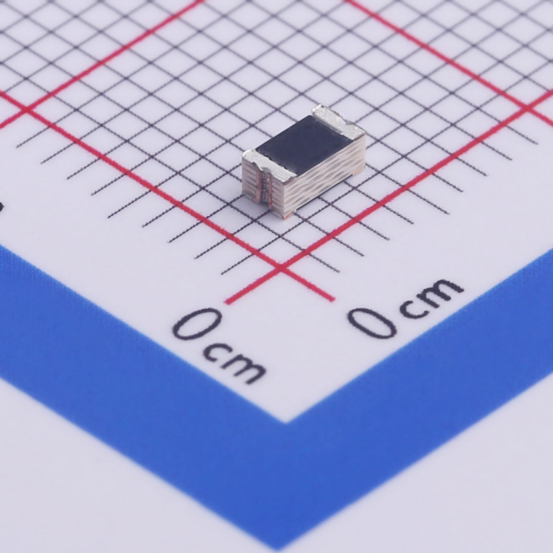
A ceramic antenna is a compact, high-dielectric constant antenna that uses ceramic material to achieve effective performance in small spaces. Thanks to its robust mechanical properties, it is often used in devices where durability and limited space are critical factors, such as IoT modules, GPS trackers, and compact consumer gadgets.
Pros & cons of Bluetooth antenna and ceramic antenna
Both technologies have unique strengths and limitations. Procurement teams and engineers need to weigh these carefully during product development.
Advantages of Bluetooth antenna
Flexible integration into PCB layouts
Lower cost in high-volume production
Customizable designs to fit unique enclosures
Drawbacks of Bluetooth antenna
Performance can vary significantly depending on enclosure design
Susceptible to detuning from surrounding components
Requires careful matching for optimal efficiency
Advantages of ceramic antenna
Compact size allows tight integration
Stable performance even in challenging mechanical conditions
Reduced sensitivity to nearby components compared to trace antennas
Drawbacks of ceramic antenna
Higher unit cost compared to PCB antennas
Limited flexibility once chosen due to fixed shape
Can be brittle if exposed to mechanical shock
Typical applications of Bluetooth antenna and ceramic antenna
Choosing between a Bluetooth antenna and a ceramic antenna depends largely on the product’s form factor, cost target, and use case.
Where Bluetooth antenna excels
Wearables requiring low-cost integration
Smartphones and tablets
Smart home hubs with flexible design constraints
When to use ceramic antenna
GPS modules demanding compact size and stable tuning
IoT sensors placed in harsh environments
Devices where space saving is essential
Each technology serves unique market segments, and Procurement and Engineering teams should evaluate based on reliability, cost, and lifecycle needs.
Environmental considerations for Bluetooth antenna and ceramic antenna
Operating environments play a key role in antenna selection. The **ceramic antenna**’s resilience to temperature variations makes it ideal for outdoor devices or industrial settings. Conversely, the Bluetooth antenna can provide better performance in consumer devices where space and cost dictate design choices. Factors like humidity, interference, and housing material can also affect the final choice.
Guidelines for Procurement & Engineering teams
For successful implementation of a Bluetooth antenna or a ceramic antenna, follow these best practices:
Engage RF engineers early to review design trade-offs
Request datasheets and performance simulations from suppliers
Test prototypes under real-world conditions, not just lab setups
Consider total cost, including assembly and supply chain stability
Conclusion: choosing between Bluetooth antenna and ceramic antenna
In summary, selecting between a Bluetooth antenna and a ceramic antenna depends on balancing size, cost, mechanical constraints, and target application. Procurement and Engineering teams in consumer electronics must collaborate closely to evaluate these trade-offs. Staying updated with new technologies and supplier capabilities will ensure better long-term performance and lower design risk.
By applying this structured approach, teams can deliver products that combine quality, performance, and cost-effectiveness in today’s competitive markets.
Related Recommendations