Service Hotline
News

News
Why USB Type-A Still Dominates Despite Newer Connectors Emerging Fast
2025-09-01
375
The Enduring Reign of USB Type-A
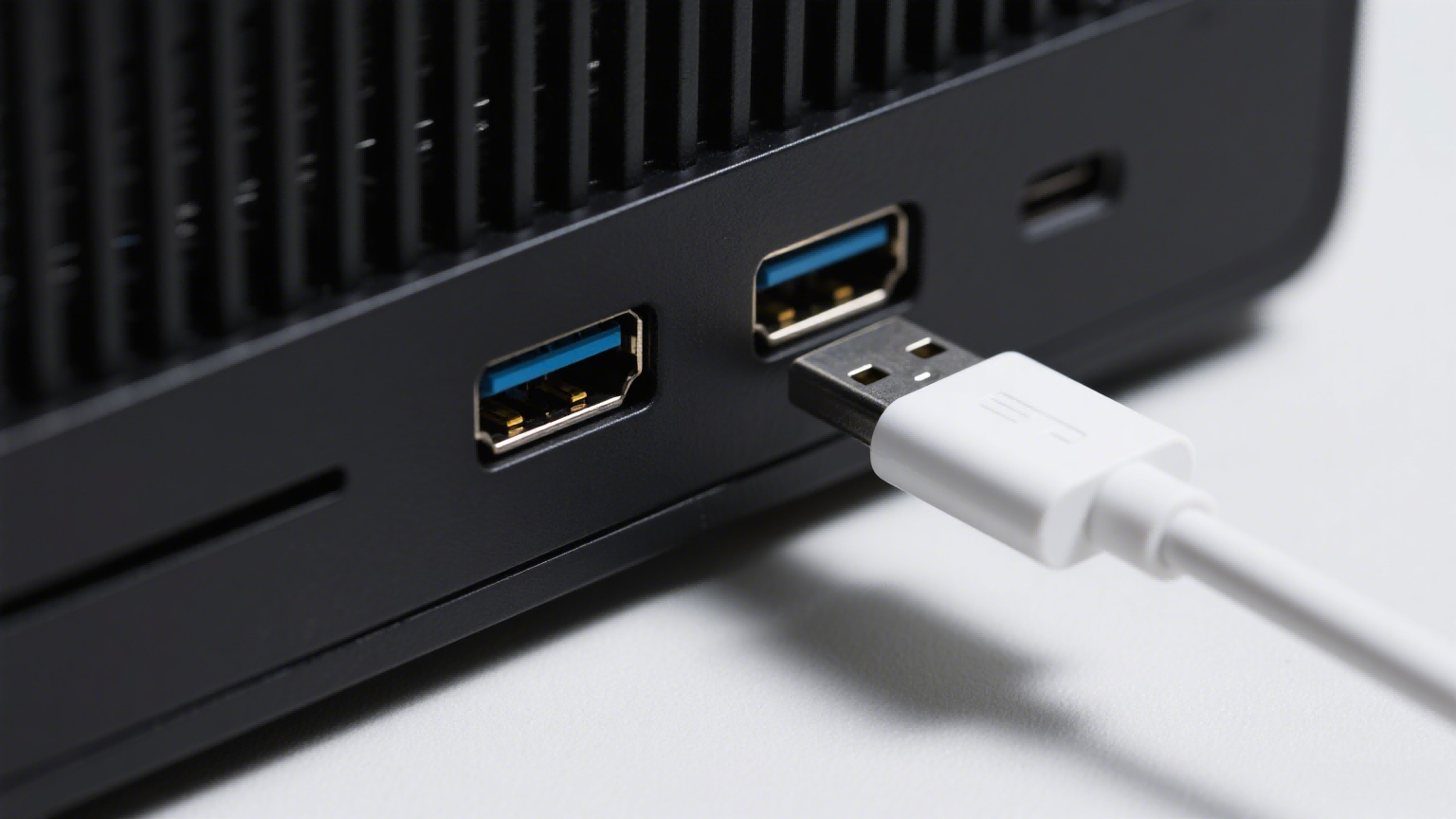
Close-up of a USB Type-A connector plugged into a laptop
The USB Type-A connector remains a cornerstone of modern technology. The USB Type-A was introduced in the mid-1990s. It quickly became the standard for connecting devices like keyboards, mice, and storage to computers. At Kinghelm, we offer high-quality USB Type-A connectors. Our connectors are built for durability and work with many devices.
Its rectangular shape and simple plug-and-play design made the USB Type-A connector user-friendly and reliable. Over decades, millions of devices adopted this port, ensuring widespread compatibility across desktops, laptops, and gaming consoles.
Despite the rise of newer standards like USB Type-C, the USB Type-A connector still appears on many modern devices. Its durability and backward compatibility help maintain its popularity.
Many accessories, chargers, and cables are still manufactured with USB Type-A ports. This enduring presence ensures that users can connect both old and new devices with ease. The USB Type-A continues to bridge generations of technology, cementing its legacy in the digital world.
Ubiquity in Legacy Devices and Accessories
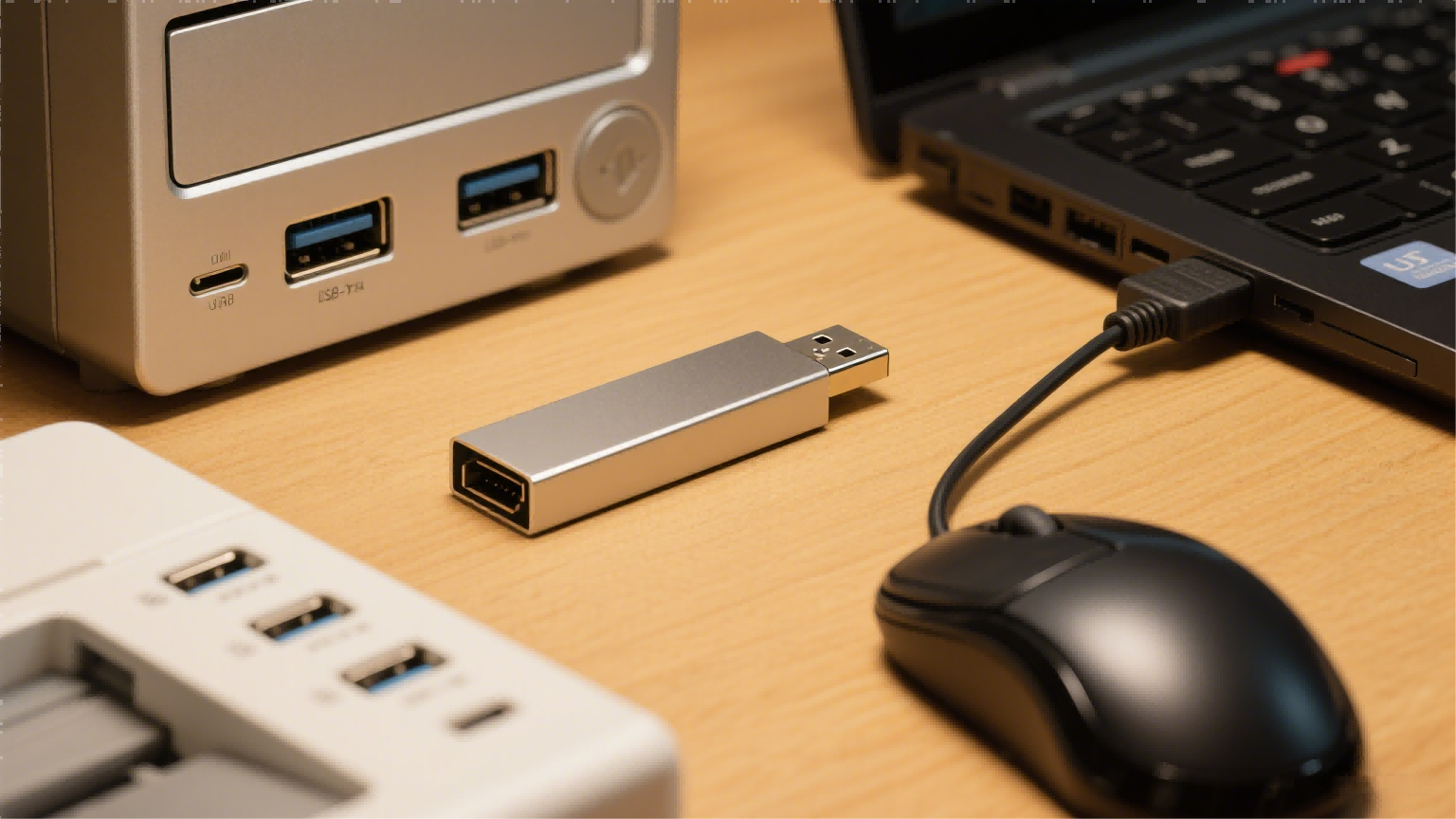
USB Type-A ports on desktop, laptop, printer, and external hard drive
The USB Type-A connector remains a cornerstone of modern technology. The USB Type-A was introduced in the mid-1990s. It quickly became the standard for connecting devices like keyboards, mice, and storage to computers. At Kinghelm, we offer high-quality USB Type-A connectors. Our connectors are built for durability and work with many devices.
Its rectangular shape and simple plug-and-play design made the USB Type-A connector user-friendly and reliable. Over decades, millions of devices adopted this port, ensuring widespread compatibility across desktops, laptops, and gaming consoles.
Despite the rise of newer standards like USB Type-C, the USB Type-A connector still appears on many modern devices. Its durability and backward compatibility help maintain its popularity.
Many accessories, chargers, and cables are still manufactured with USB Type-A ports. This enduring presence ensures that users can connect both old and new devices with ease. The USB Type-A continues to bridge generations of technology, cementing its legacy in the digital world.
Cost-Effectiveness for Manufacturers and Consumers
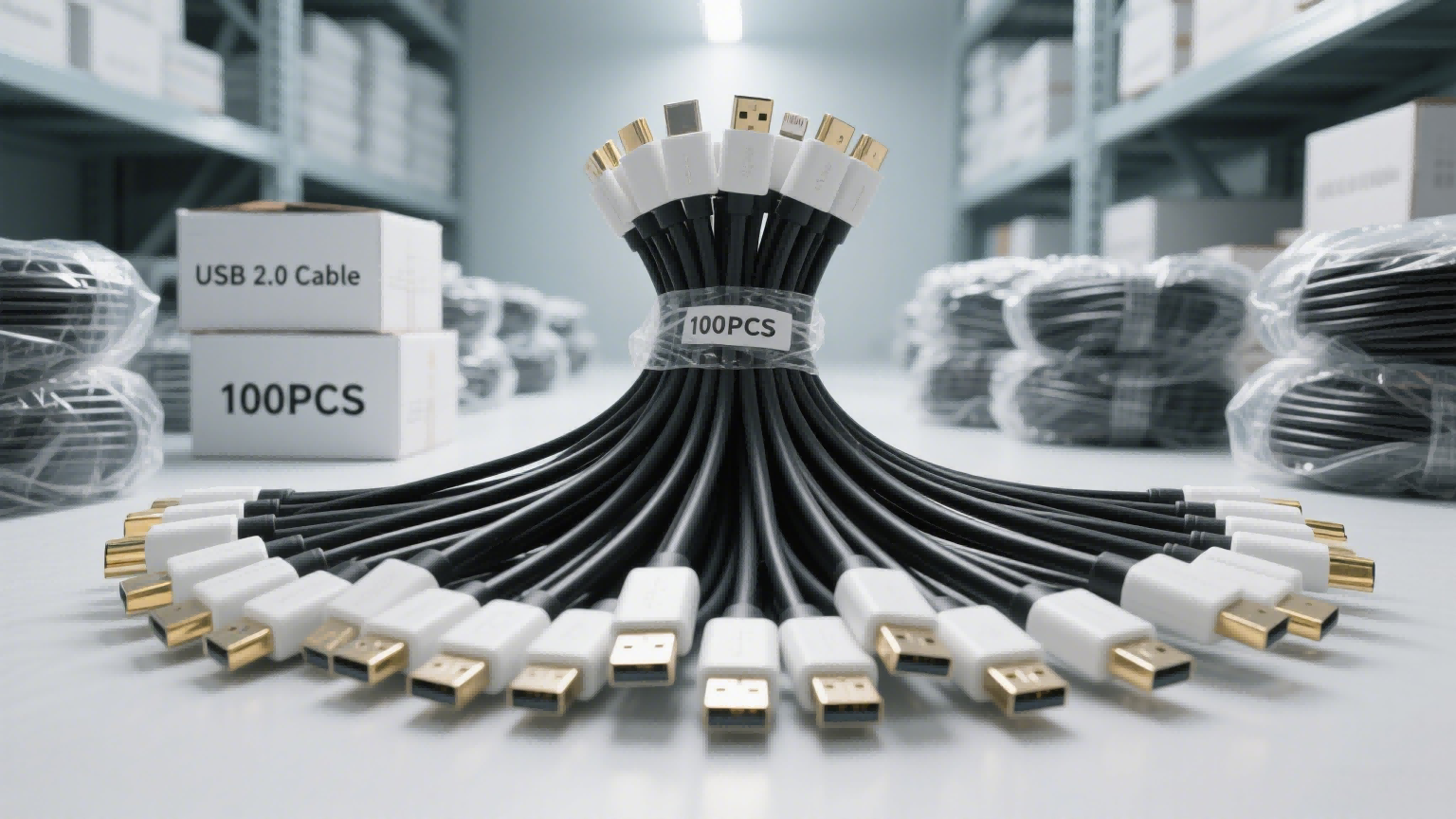
Mass production of USB Type-A cables in a factory
The USB Type-A connector remains a cornerstone of modern technology. The USB Type-A was introduced in the mid-1990s. It quickly became the standard for connecting devices like keyboards, mice, and storage to computers. At Kinghelm, we offer high-quality USB Type-A connectors. Our connectors are built for durability and work with many devices.
Its rectangular shape and simple plug-and-play design made the USB Type-A connector user-friendly and reliable. Over decades, millions of devices adopted this port, ensuring widespread compatibility across desktops, laptops, and gaming consoles.
Despite the rise of newer standards like USB Type-C, the USB Type-A connector still appears on many modern devices. Its durability and backward compatibility help maintain its popularity.
Many accessories, chargers, and cables are still manufactured with USB Type-A ports. This enduring presence ensures that users can connect both old and new devices with ease. The USB Type-A continues to bridge generations of technology, cementing its legacy in the digital world.
Wide Compatibility Across Multiple Platforms
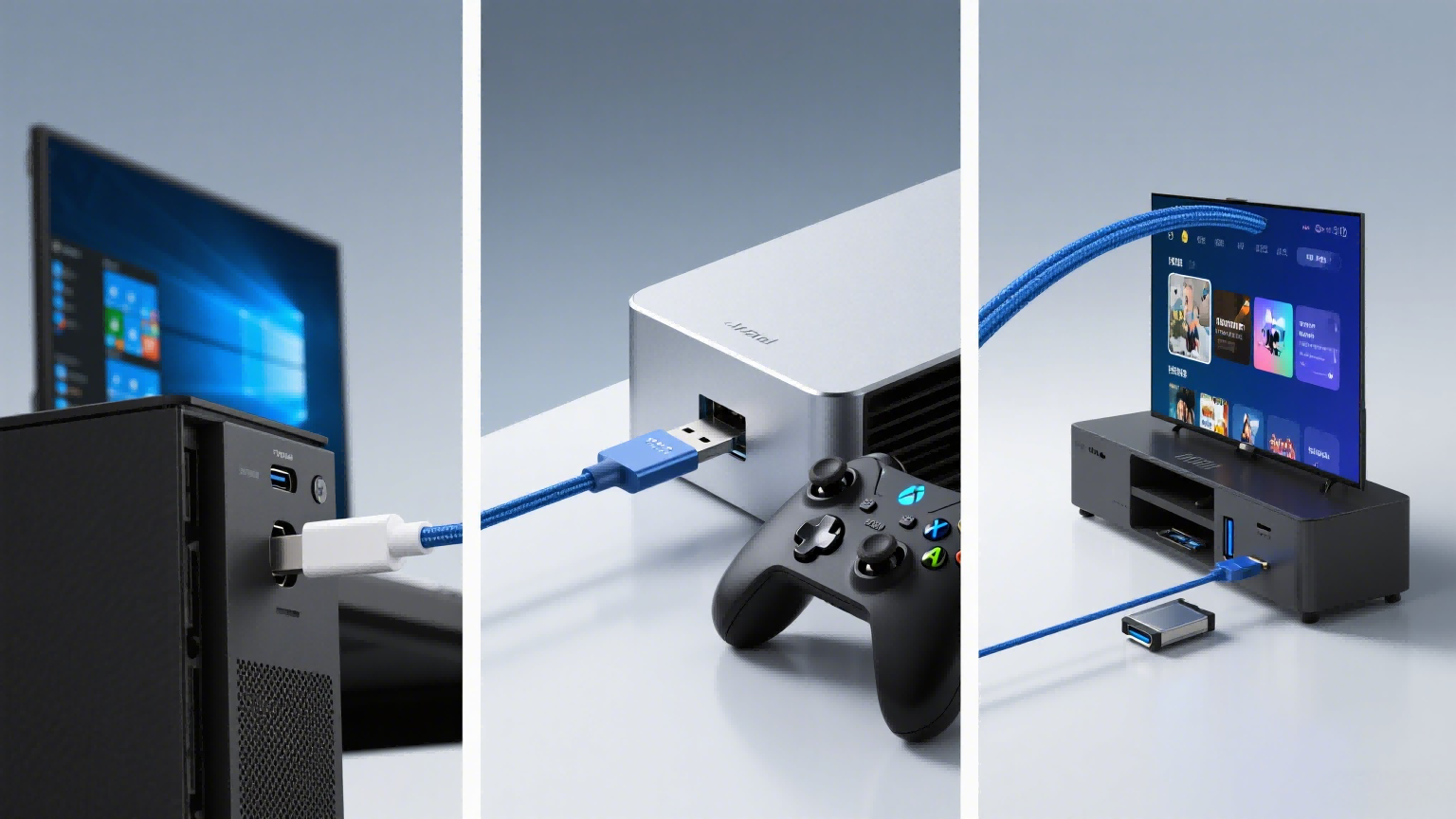
USB Type-A connector used with desktop, gaming console, and smart TV
The USB Type-A connector remains a cornerstone of modern technology. The USB Type-A was introduced in the mid-1990s. It quickly became the standard for connecting devices like keyboards, mice, and storage to computers. At Kinghelm, we offer high-quality USB Type-A connectors. Our connectors are built for durability and work with many devices.
Its rectangular shape and simple plug-and-play design made the USB Type-A connector user-friendly and reliable. Over decades, millions of devices adopted this port, ensuring widespread compatibility across desktops, laptops, and gaming consoles.
Despite the rise of newer standards like USB Type-C, the USB Type-A connector still appears on many modern devices. Its durability and backward compatibility help maintain its popularity.
Many accessories, chargers, and cables are still manufactured with USB Type-A ports. This enduring presence ensures that users can connect both old and new devices with ease. The USB Type-A continues to bridge generations of technology, cementing its legacy in the digital world.
Reliability and Familiarity for Everyday Users

User plugging a USB flash drive into a USB Type-A port
The USB Type-A connector remains a cornerstone of modern technology. The USB Type-A was introduced in the mid-1990s. It quickly became the standard for connecting devices like keyboards, mice, and storage to computers. At Kinghelm, we offer high-quality USB Type-A connectors. Our connectors are built for durability and work with many devices.
Its rectangular shape and simple plug-and-play design made the USB Type-A connector user-friendly and reliable. Over decades, millions of devices adopted this port, ensuring widespread compatibility across desktops, laptops, and gaming consoles.
Despite the rise of newer standards like USB Type-C, the USB Type-A connector still appears on many modern devices. Its durability and backward compatibility help maintain its popularity.
Many accessories, chargers, and cables are still manufactured with USB Type-A ports. This enduring presence ensures that users can connect both old and new devices with ease. The USB Type-A continues to bridge generations of technology, cementing its legacy in the digital world.
Slow Industry Transition to Newer Standards

USB Type-A and USB Type-C connectors side by side
The industry has been slow to transition away from the USB Type-A standard. Many manufacturers still rely on the USB Type-A connector for computers, peripherals, and accessories. This widespread use is due to its long-standing compatibility and established presence in the market.
Even though newer standards like USB Type-C provide faster speeds and more versatility, USB Type-A ports are still common. You can find them in laptops, desktops, and charging devices. Consumers often own multiple devices that require the USB Type-A connector, making a complete shift challenging.
Manufacturers are hesitant to eliminate USB Type-A support because many users would face compatibility issues with older hardware. As a result, products continue to feature both USB Type-A and newer connectors. Manufacturers will slowly phase out the USB Type-A connector over the next few years. The industry wants to keep old devices working while also introducing new technology.
Limitations and Drawbacks of Emerging Connectors
Emerging connectors are replacing the traditional USB Type-A and USB Type-A Connector in many new devices. However, this shift comes with several limitations. Many existing computers, chargers, and accessories still rely on the widespread USB Type-A Connector, making compatibility an issue.
Users often need adapters or dongles to connect new devices to older USB Type-A ports. This can be inconvenient and add extra cost. Some new connectors might not be as strong as the reliable USB Type-A design. This could cause problems with reliability over time.
Additionally, users may experience confusion due to the variety of connector types now available. Switching from the universal USB Type-A can create e-waste. Older cables and accessories may become useless.
Overall, new connectors have advanced features. However, they still do not match the universal compatibility and reliability of the classic USB Type-A Connector.
Why USB Type-A Remains Essential

Multiple devices connected via USB Type-A connectors
Emerging connectors are replacing the traditional USB Type-A and USB Type-A Connector in many new devices. However, this shift comes with several limitations. Many existing computers, chargers, and accessories still rely on the widespread USB Type-A Connector, making compatibility an issue.
Users often need adapters or dongles to connect new devices to older USB Type-A ports. This can be inconvenient and add extra cost. Some new connectors might not be as strong as the reliable USB Type-A design. This could cause problems with reliability over time.
Additionally, users may experience confusion due to the variety of connector types now available. Switching from the universal USB Type-A can create e-waste. Older cables and accessories may become useless.
Overall, new connectors have advanced features. However, they still do not match the universal compatibility and reliability of the classic USB Type-A Connector.
Related Recommendations