Service Hotline
News

News
How to Identify the Material of the Insulation Layer by Appearance, Color, and Feel?
2026-04-24
313
The most accurate way to determine the insulation material is to refer to the product datasheet or conduct professional testing. However, for quick identification on-site, you can use the "look, touch, and smell" method as an aid.
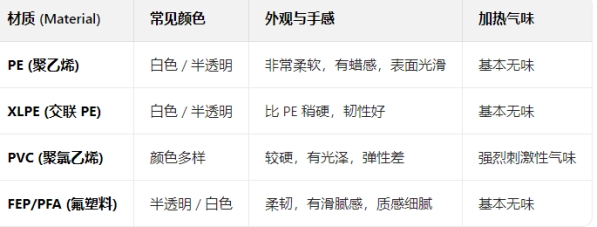
Methods for Quickly Identifying the Insulation Material:
1. Look at the Color:
Different materials have distinct colors. For example, PVC is usually translucent white or light gray, while fluoroplastics can appear milky white or clear.
2. Examine the Appearance and Luster:
The surface texture and shine can indicate the material type. PVC typically has a smooth and shiny appearance, while polyethylene may have a more matte finish.
3. Feel the Texture:
The insulation’s texture can give clues to the material. For example, PVC feels relatively soft and flexible, while cross-linked polyethylene (XLPE) has a tougher, firmer feel.
4. Smell the Odor:
Different materials release distinct odors when scratched or bent. PVC tends to have a slightly sweet, plastic-like smell, while fluoroplastics and XLPE may have little to no odor.
Note: These methods are useful for quick assessments but cannot replace proper testing for definitive identification.
About Kinghelm
Kinghelm is a high-tech enterprise specializing in RF and connectivity solutions. The company offers a wide range of products, including Beidou/GPS antennas, Wi-Fi, Bluetooth, NB-IoT, LORA, Zigbee antennas, RF cables and connectors, board-to-board and plug-in connectors, switches, terminals, and customized automotive and industrial components. With over 17 years of experience, Kinghelm serves industries such as automotive, telecommunications, industrial automation, medical devices, and consumer electronics. Known for durable, reliable components that meet international standards, Kinghelm supports applications ranging from renewable energy to IoT devices.
Related Recommendations